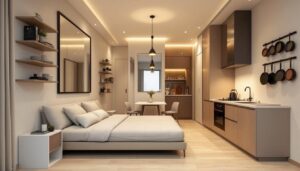
Victorian interior style evokes an era of ornate craftsmanship, rich colors, and layered textures that transformed homes into showcases of taste and refinement. Today, homeowners and DIY enthusiasts are rediscovering this aesthetic, not to recreate stuffy museum rooms, but to blend period-appropriate details with modern comfort. Whether you’re drawn to deep jewel tones, ornamental woodwork, or the elegant simplicity of a Victorian home interior design, this guide walks you through the core elements and practical steps to incorporate authentic Victorian style into your space without feeling overwrought or dated.
Table of Contents
ToggleKey Takeaways
- Victorian interior style celebrates abundance through layered textures, rich colors, and ornamental details without requiring historical accuracy down to the doorknob.
- Start with one accent wall in a deep jewel tone like navy or forest green paired with cream woodwork to establish Victorian interior style without overwhelming your space.
- Victorian home interior design relies on architectural woodwork—crown molding, baseboards, and picture rails—which dramatically shift the aesthetic and are achievable DIY projects with proper tools.
- Layer multiple textures thoughtfully: heavy drapes over sheer curtains, patterned rugs over hardwood floors, and ornamental mirrors create visual richness while maintaining cohesive color and pattern harmony.
- Balance statement furniture pieces like tufted sofas or carved wooden cabinets with simpler, neutral items to prevent visual clutter and keep the space livable and breathable.
- Successful Victorian design blends period details strategically with modern comfort, focusing on intentional placement rather than theme-park recreation or overstuffed rooms.
Defining Victorian Interior Design
Victorian interior design spans roughly 1837 to 1901, but its influence extended well beyond Queen Victoria’s reign. Unlike the restrained elegance of neoclassical interiors, which rely on symmetry and proportion drawn from Greek and Roman architecture, Victorian design celebrates abundance: more pattern, more color, more ornament.
The style emerged during an era of industrial prosperity and global trade. Homeowners had access to imported fabrics, wallpapers, and materials previously reserved for the wealthy. Mass production made decorative details affordable, so Victorians layered them generously: damask curtains over lace, patterned carpets over hardwood, ornamental moldings framing walls and ceilings.
A Victorian house interior design isn’t about historical accuracy down to the doorknob. It’s about understanding the spirit: richness through texture, color, and detail. Modern interpretations strip away the heaviness while keeping the ornamental character. Think of it as capturing the layered richness and craftsmanship of the era, then editing it for contemporary living. The key is intention, every piece should feel intentional, not accidental.
Key Elements of Victorian Decor
Color Palettes and Wallpapers
Victorian color schemes were bold by today’s standards. Deep jewel tones, burgundy, forest green, navy, and plum, dominated formal spaces, while lighter pastels (soft cream, pale pink, sage) appeared in bedrooms and dining rooms. The Victorians weren’t afraid of pattern saturation: walls, ceilings, trim, and fabrics often featured competing designs held together by a shared color family.
For a practical approach, start with one accent wall in a rich, saturated color. Deep navy or forest green pairs well with cream or white woodwork and creates dramatic contrast without overwhelming a room. Wallpaper remains central to Victorian style, floral damasks, stripes, and botanical prints are period-appropriate choices. When selecting wallpaper, look for patterns with depth and movement: flat, minimal designs feel modern, not Victorian.
Color psychology matters, too. Burgundy and deep reds create formal, intimate spaces ideal for dining rooms or libraries. Greens suggest nature and rest, working well in bedrooms. If bold color feels risky, use it in trim, moldings, or as a dado (the lower portion of a wall, typically finished with wainscoting or a border), a more forgiving approach that commits less square footage to the color.
Furniture and Ornamental Details
Victorian furniture emphasizes curves, carved wood, and upholstery. Expect cabriolet legs, rolled arms, tufting, and ornate frames. But, you don’t need every piece to be period-authentic. One or two statement pieces, a tufted sofa, a carved wooden chair, or an ornate mirror, anchor the style, while neutral or simpler pieces provide balance and prevent visual chaos.
Woodwork is non-negotiable. Crown molding, baseboards, and picture rails (horizontal rails installed 36 to 60 inches up a wall for hanging artwork) are hallmarks of the era. If your home lacks original molding, adding baseboards (nominal 1×8 or 1×10 boards) and simple crown molding is an achievable DIY project that dramatically shifts the aesthetic. Prime and paint them in white or soft cream to contrast against darker wall colors.
Ornamentation should feel purposeful. Focus on architectural details, paneled doors, bay windows, fireplace mantels, rather than cluttering every surface with trinkets. Incorporate brass or bronze hardware, glass-fronted cabinets, and built-in shelving. These elements showcase the period’s craftsmanship without requiring new construction: they’re about thoughtful placement and editing.
Layering is essential. A Victorian home interior design combines multiple textures: rich fabric drapes, patterned carpets or rugs (Oriental rugs were especially prized), ornamental mirrors in heavy frames, and brass or bronze accessories. Each layer should contribute to a cohesive color and pattern story, not compete against it.
How to Incorporate Victorian Style Into Your Home
Start small and evaluate. If you’re unsure about committing to full Victorian style, begin with one room, a bedroom or dining room works well. Paint a test swatch of your chosen color (Benjamin Moore’s “Newburyport Blue” and Farrow & Ball’s “Green Smoke” are popular Victorian-inspired hues) and observe it in different lighting. Paint absorbs light differently in morning versus evening, and what looks dramatic in the swatch may feel different on 400 square feet of wall.
When it comes to woodwork, you have options. Original homes may have painted trim buried under decades of finishes, chemical strippers or sanding can reveal them, though this is labor-intensive and dusty work. Modern alternatives include installing new moldings sized appropriately to your ceiling height (crown molding typically ranges from 4 to 6 inches in nominal width for standard 8-foot ceilings). Use a miter saw for clean 45-degree angle cuts at corners: they hold better than miter boxes for crown work. Prime everything before painting, this prevents bleed-through and improves paint adhesion significantly.
For windows, Victorian-era treatments feature heavy layers. Install a stationary sheer curtain under heavier drapes for texture and light diffusion. Swags, tassels, and fringe trim add ornamental touches without requiring advanced sewing skills, many premade trims simply pin or glue in place. A brass or bronze curtain rod with ornamental finials supports the aesthetic naturally.
Floor choices matter. Original hardwoods (oak, maple, walnut) feel authentic: area rugs in jewel tones or traditional patterns break up larger floor areas and add warmth. If you’re refinishing existing hardwood, you’ll need a drum sander and edger rental from a home center (these machines require steady pressure and some practice, if you’re uncertain, professional refinishing is worth the cost). Protective gear is essential: goggles, dust masks rated for wood dust, and ear protection.
Furniture sourcing doesn’t require antique stores. Online marketplaces, estate sales, and local auctions often have period pieces at reasonable prices. A tufted sofa in burgundy velvet anchors a sitting room: a carved wooden cabinet or bookshelf showcases books and collectibles. Pair these with simpler, modern furniture in neutral tones to avoid looking cluttered. A Victorian home interior design balances ornament with breathing room.
Finally, consider context. A fully Victorian living room might clash with a minimalist kitchen. Successful blending means incorporating steampunk interior design elements strategically or creating modern transitional interior design that honors the Victorian bones of your home while keeping it livable. The goal is intentional layering, not theme-park replica work. Resources like This Old House offer detailed restoration tutorials if you’re working with original Victorian features. Many homeowners find that resources like Home Bunch offer inspiration for editing period style to feel contemporary.
Conclusion
Victorian interior style offers richness, craftsmanship, and character that modern minimalism can’t replicate. The key to success is understanding that authenticity doesn’t mean perfection or heavy-handed recreation. Start with one room, commit to quality details in woodwork and color, and layer thoughtfully. Whether you’re painting crown molding, selecting a jewel-toned accent wall, or sourcing a statement piece of furniture, each decision should reflect intention and your home’s unique bones. The result won’t be a museum, it’ll be a livable, beautiful space that feels like home.