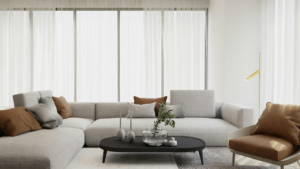
A studio apartment forces some honest choices. There’s no spare room to hide clutter, no dining nook to escape to, and every piece of furniture has to pull double duty. But small doesn’t have to mean cramped or generic. With smart zoning, the right scale of furnishings, and a few well-placed tricks borrowed from interior designers and seasoned DIYers, a 400-square-foot box can feel like a thoughtfully composed home. This 2026 guide walks through practical decorating ideas for a small studio apartment, from layout strategy to vertical storage and the personal touches that keep it from feeling like a dorm.
Table of Contents
ToggleKey Takeaways
- Define distinct zones using area rugs, open shelving, and layered lighting to transform one studio apartment room into multiple functional spaces without walls.
- Choose multi-functional furniture like storage ottomans, sleeper sofas, and drop-leaf tables that justify their square footage and adapt to your needs.
- Use light colors, strategic mirrors (at least 30×60 inches), and layered lighting with warm color temperatures (2700K–3000K) to visually expand a small studio apartment.
- Maximize vertical storage with floating shelves, tall narrow bookcases, and pegboards while leaving one-third of wall space empty to prevent visual clutter.
- Float furniture 12–18 inches off walls and angle pieces in corners to create natural walkways and add visual interest to awkward studio floor plans.
- Layer textiles, personal touches, and curated décor like gallery walls rather than excessive knick-knacks to add warmth and personality that feels intentional, not cramped.
Define Zones to Make One Room Feel Like Many
The first move in any studio is to mentally divide the floor plan into zones: sleep, work, lounge, and eat. Without walls, those boundaries come from furniture placement, rugs, and lighting.
- Area rugs anchor each zone. A 5×7 under the bed and a 6×9 under the sofa visually separate the two without blocking sightlines.
- Open shelving (think 60–72 inches tall) works as a partial divider while still letting light pass through.
- A folding screen or curtain rod mounted to the ceiling joist can hide the bed when company comes over. Use a stud finder and proper anchors rated for the curtain weight.
Lighting also signals function. A pendant over the dining table, a task lamp at the desk, and a warm floor lamp by the sofa cue the brain that each corner does a different job.
Choose Multi-Functional Furniture That Earns Its Square Footage
Every piece in a studio should justify its footprint. When shopping for furniture ideas for a small studio apartment, look for items that do at least two things well.
- Storage ottomans double as coffee tables, extra seating, and a place to stash blankets.
- Sleeper sofas or daybeds replace a traditional bed in apartments under 350 sq ft.
- Murphy beds fold flat against the wall: most require mounting into studs and following the manufacturer’s load specs.
- Drop-leaf or wall-mounted tables expand for meals and tuck away after.
- Nesting side tables spread out when guests arrive, stack when they don’t.
For DIY-minded renters, the modding community at creative IKEA modifications is full of bed-frame-to-storage conversions and hacks for the Kallax and Pax lines. Bigger picture inspiration on small apartment design strategies can help match furniture choices to overall layout.
Use Color, Light, and Mirrors to Visually Expand the Space
Color does heavy lifting in tight quarters. Light, cool tones (soft whites, pale greys, muted sage) reflect natural light and push walls back visually. Dark accent walls can work, but keep them opposite a window so they recede rather than close in.
A gallon of interior paint covers roughly 350–400 sq ft per coat, so most studios need one to two gallons total. Always prime over glossy or previously dark surfaces before topcoating.
Mirrors are the oldest trick in the book because they work. A large mirror (at least 30×60 inches) opposite a window nearly doubles perceived light. Lean it against the wall or anchor it into studs, heavy mirrors falling off drywall anchors is a real hazard.
Layer the lighting: ambient (overhead), task (desk, reading), and accent (LED strips behind a headboard or under shelves). Color temperatures around 2700K–3000K keep things warm without feeling dim.
Maximize Vertical Storage Without Cluttering the Walls
Floor space is finite: wall space usually isn’t. Going vertical is where small studio apt decorating ideas separate from cluttered ones.
- Floating shelves mounted into studs (or with toggle bolts rated for the load) hold books, plants, and bins.
- Over-the-door organizers add storage in closets, bathrooms, and entryways at zero floor cost.
- Tall, narrow bookcases (12–14 inches deep) fit awkward corners without eating the room.
- Pegboards above a desk or in a kitchen corner keep tools and utensils visible and reachable.
The trick is restraint. Leave roughly one-third of wall space empty so the eye has somewhere to rest. Painted shelves that match the wall color disappear visually, while contrasting shelves become a design feature, choose one approach per wall. Budget-friendly shelf builds and bracket tutorials from the renovation projects covered by Young House Love are a solid starting point for first-time DIYers.
Layer Textiles and Personal Touches for Warmth and Personality
A studio without soft goods feels like a waiting room. Textiles add acoustic dampening (helpful when the kitchen is six feet from the bed) and visual warmth.
- Curtains hung close to the ceiling, not at the window frame, make ceilings feel taller. Extend rods 6–12 inches past the window on each side.
- Throw pillows and a chunky knit blanket signal lounge zone instantly.
- A bedside runner or sheepskin softens the morning step out of bed.
Personal touches matter more in small spaces because every object gets noticed. A curated gallery wall, a stack of well-loved books, or one oversized piece of art does more than a dozen knick-knacks. For renters limited to nail holes, adhesive picture strips rated for the artwork’s weight prevent surprise crashes at 2 a.m. The makeover tutorials at budget decor transformations show how a few intentional pieces shift a room’s whole mood.
Smart Layout Tricks for Awkward Studio Floor Plans
Not every studio is a tidy rectangle. L-shapes, alcoves, and railroad layouts each need their own approach.
- Float the sofa. Pushing furniture against every wall makes a room feel smaller, not bigger. A sofa floated 12–18 inches off the wall, with a console behind it, creates a natural walkway and a back-of-sofa storage shelf.
- Put the bed in the alcove if one exists. Curtains on a ceiling track turn the nook into a semi-private bedroom.
- Angle furniture in awkward corners. A chair set at 45 degrees with a small side table fills dead space and adds visual interest.
- Use the area near the door as a mini foyer, a narrow console, hooks, and a small mirror create a transition zone in 18 inches of depth.
More studio apartment interior ideas for unconventional layouts, including alcove built-ins and partial-wall solutions, are covered in this breakdown of apartment design with function in mind. For broader inspiration across room types, the catalog of interior design ideas worth borrowing covers everything from color palettes to storage builds.
Conclusion
Decorating a small studio comes down to intentional choices: zones that signal purpose, furniture that works twice as hard, and walls that store without shouting. Start with one zone, get the proportions right, and build outward. A studio done well doesn’t apologize for its size, it shows that good design has more to do with planning than square footage.