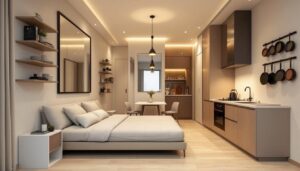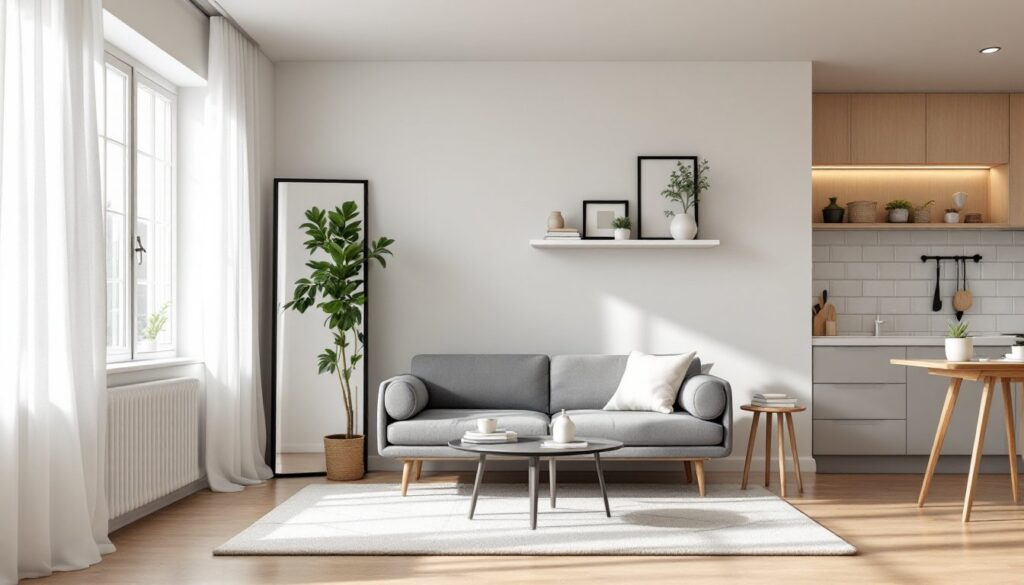

Living in a small apartment doesn’t mean sacrificing style or functionality. With the right design strategies, even a 500-square-foot studio can feel spacious, organized, and tailored to the way someone actually lives. The challenge isn’t the square footage, it’s making every inch count without turning the place into a cramped storage unit. These interior design ideas focus on practical, budget-conscious solutions that work in rentals and owned spaces alike, from furniture choices to visual tricks that open up tight quarters.
Table of Contents
ToggleKey Takeaways
- Multi-functional furniture like sofa beds, Murphy beds, and storage ottomans eliminate the need for multiple pieces, maximizing floor space in small apartment interior design.
- Vertical storage solutions—including floor-to-ceiling shelving, floating shelves, and tall bookcases—transform wasted overhead space into functional storage without eating up square footage.
- Strategic use of light colors, reflective surfaces, and mirrors creates the illusion of depth and openness, making small apartments feel significantly larger and brighter.
- Smart room dividers such as open shelving units, curtain tracks, and folding screens define zones in open-plan layouts while maintaining visual flow and light penetration.
- Decluttering and adopting minimalist decor principles—combined with closed storage for everyday items—prevent visual clutter and allow thoughtful design choices to have maximum impact.
- Proper mirror placement opposite windows or perpendicular to natural light sources amplifies brightness and doubles the perceived depth of compact living spaces.
Choose Multi-Functional Furniture for Every Room
Multi-functional furniture is the workhorse of small apartment living. A sofa bed, Murphy bed, or daybed with storage underneath replaces two pieces of furniture with one, freeing up floor space for movement and reducing visual clutter. Look for ottomans that open for storage, coffee tables with lift-top surfaces that double as desks, and dining tables with drop leaves that expand when guests come over.
Convertible pieces should feel sturdy when in use. A flimsy fold-out table that wobbles during dinner isn’t worth the savings. Test hinges, locking mechanisms, and weight ratings before buying. For example, a wall-mounted fold-down desk should support at least 50 pounds if it’ll hold a laptop, monitor, and paperwork.
In the bedroom, platform beds with built-in drawers eliminate the need for a separate dresser. Loft beds work in spaces with ceilings 8 feet or higher, creating room underneath for a workspace or seating area. If ceiling height is limited, consider a bed frame with hydraulic lift storage, the mattress platform lifts to reveal a full storage compartment beneath.
Many homeowners overlook how interior design strategies can guide furniture selection based on layout and flow. Measure doorways, hallways, and room dimensions before ordering anything. A sectional sofa might look perfect online but won’t fit if it can’t make the turn into a narrow entryway.
Use Vertical Space to Expand Storage Options
Most apartments have 8- to 10-foot ceilings, and most people only use the bottom half. Floor-to-ceiling shelving, wall-mounted cabinets, and overhead racks turn wasted vertical space into functional storage without eating up square footage.
Floating shelves work well in kitchens, bathrooms, and living rooms. Install them with heavy-duty anchors rated for the wall type, toggle bolts for drywall, masonry anchors for concrete or brick. A 1×8 board mounted on three brackets can hold books, dishware, or decor, but check the weight limit per bracket (typically 20-50 pounds depending on anchor type and stud placement).
In the kitchen, magnetic knife strips, pegboards, and hanging pot racks keep countertops clear. Wall-mounted spice racks or narrow shelves fit in the 6-inch gap between the stove and refrigerator. Over-the-door organizers add storage in pantries and closets without drilling.
Tall bookcases and armoires draw the eye upward, making ceilings feel higher. Choose pieces that reach within a few inches of the ceiling rather than stopping at eye level. If the unit isn’t anchored to wall studs with L-brackets, it’s a tipping hazard, especially in earthquake-prone areas or homes with kids and pets.
Platforms like Apartment Therapy feature real apartment tours that showcase creative vertical storage solutions, from ceiling-mounted bike racks to custom-built loft closets.
Create Zones with Smart Room Dividers
Open-plan studios and one-bedrooms benefit from visual separation between sleeping, working, and living areas. Room dividers don’t have to be permanent or expensive, freestanding bookcases, curtain tracks, and folding screens all define zones without blocking light or requiring landlord approval.
Open shelving units act as dividers while providing storage on both sides. A 5-foot-tall bookcase between the bed and sofa creates a headboard effect and holds books, plants, or baskets. Make sure it’s anchored or weighted at the base to prevent tipping.
Curtain tracks mounted to the ceiling allow fabric panels to slide open or closed as needed. Sheer curtains maintain an airy feel while adding privacy. Use ceiling-mounted hardware rated for the weight of the fabric, lightweight cotton needs less support than heavy velvet or blackout material.
Folding screens in wood, rattan, or fabric add texture and can be moved or stored when not in use. They work well for hiding laundry areas, closets, or home office setups in shared spaces. Choose designs that complement the overall decor rather than looking like an afterthought.
Rug placement also defines zones. A large area rug under the sofa and coffee table anchors the living area, while a smaller rug under the dining table separates the eating space. The edges of the rug should extend 12-18 inches beyond the furniture to avoid a cramped look.
Embrace Light Colors and Reflective Surfaces
Light colors reflect more light than dark tones, making small rooms feel larger and brighter. Whites, soft grays, beiges, and pastels open up walls and ceilings, while dark accent colors can be used sparingly in textiles, artwork, or a single feature wall.
Paint coverage varies by formula, but most interior paints cover 350-400 square feet per gallon with one coat. For small apartments, a single gallon of wall paint and a quart of trim paint often handle an entire room. Use satin or eggshell finishes on walls, they’re easier to clean than flat paint and reflect more light without the glare of semi-gloss.
Reflective surfaces amplify natural and artificial light. Glossy tiles, glass tabletops, lacquered furniture, and metallic accents bounce light around the room. In kitchens and bathrooms, subway tiles with a glazed finish reflect more light than matte ceramic or stone.
Avoid heavy, dark window treatments that block daylight. Sheer curtains, light-filtering blinds, or cellular shades in white or cream allow privacy without sacrificing brightness. If blackout capability is needed in the bedroom, use a layered approach: sheer panels during the day, blackout roller shades at night.
Some of the most effective small-space transformations rely on interior design techniques that manipulate light and color perception, creating an illusion of depth and openness.
Declutter and Adopt Minimalist Decor Principles
Clutter shrinks a space faster than small square footage ever will. Minimalist decor doesn’t mean empty rooms, it means intentional choices, fewer duplicates, and smart storage that keeps everyday items out of sight.
Start with a one-in, one-out rule: when something new comes in, something old goes out. This prevents gradual accumulation and forces decisions about what’s actually useful. Donate, sell, or toss items that haven’t been used in six months (excluding seasonal gear).
Furniture with clean lines and low profiles takes up less visual space than bulky, ornate pieces. A streamlined sofa on tapered legs feels lighter than an overstuffed sectional with a skirted base. Glass or acrylic furniture, like a clear coffee table or ghost chairs, provides function without adding visual weight.
Closed storage keeps surfaces clear. Cabinets, bins, and drawer organizers hide the everyday chaos of mail, chargers, keys, and remote controls. In kitchens, store small appliances in cabinets rather than leaving them on counters. In bathrooms, use drawer dividers and under-sink organizers to corral toiletries.
Decor should be purposeful. A few well-chosen pieces, a statement mirror, a piece of artwork, a sculptural plant, have more impact than a dozen small tchotchkes scattered across shelves. For inspiration, Young House Love documents budget-friendly decluttering projects and simple decor swaps that freshen up small spaces without adding clutter.
Incorporate Mirrors to Amplify Natural Light
Mirrors are the most effective optical trick in small-space design. Positioned correctly, they double the visual depth of a room, reflect daylight, and brighten dim corners without adding square footage or changing the layout.
Placement matters more than size. A large mirror opposite a window reflects outdoor light back into the room. If the window faces a brick wall or alley, the effect is less dramatic, consider placing the mirror perpendicular to the window instead, bouncing light sideways across the space.
Full-length mirrors work well on closet doors, behind bedroom doors, or in narrow hallways. Leaning a floor mirror against a wall creates a casual, layered look and doesn’t require wall anchors. If mounting, use D-ring hangers and wall anchors rated for the mirror’s weight, glass is heavy, and a fallen mirror is both dangerous and expensive to replace.
Mirrored furniture and decor add subtle reflectivity. A mirrored nightstand, bar cart, or console table bounces light without the bold statement of a wall mirror. Avoid overusing mirrors in one room: too many reflective surfaces can feel disorienting or cold.
In bathrooms, backlit mirrors or mirrors with integrated LED strips provide task lighting and eliminate shadows during grooming. Many modern designs are hardwired and require a junction box, so check if the existing electrical setup supports it or if a battery-operated option is more practical.
Homeowners exploring updated palettes and finishes often reference design trends for 2026 to see how mirrors and lighting interact with popular color schemes.
Conclusion
Small apartments demand smart choices, not sacrifices. Multi-functional furniture, vertical storage, thoughtful zoning, and light-enhancing finishes turn limited square footage into a space that works hard and looks intentional. Focus on what’s functional first, then layer in style. With careful planning and a few key upgrades, even a compact rental can feel custom-designed.