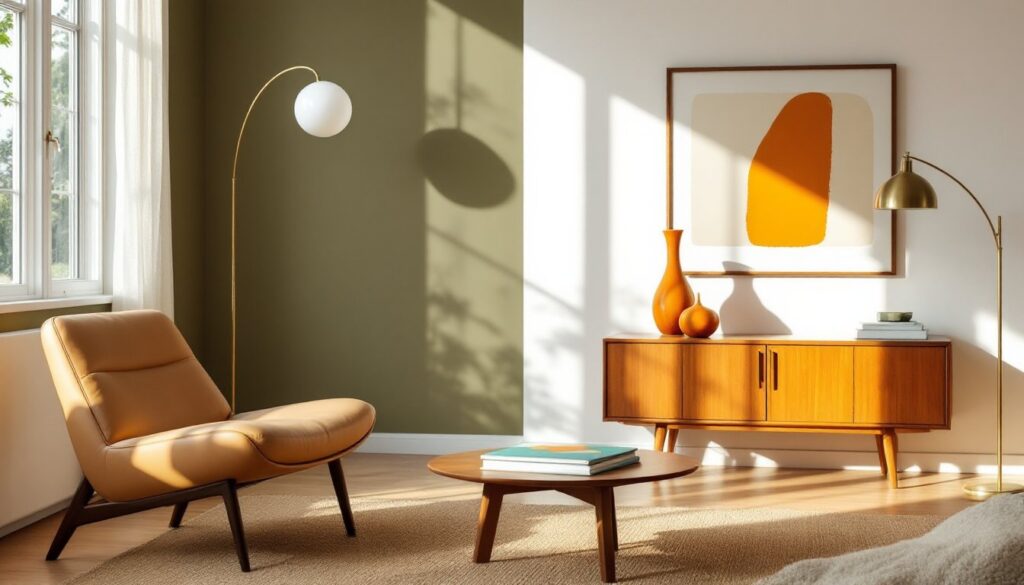

Midcentury interior design isn’t just a trend, it’s a movement that revolutionized American homes in the postwar era and continues to shape living spaces today. Born between the mid-1940s and late 1960s, this style broke from ornate traditionalism and embraced simplicity, function, and a new relationship between indoors and out. Whether someone’s gutting a ranch house or just looking to refresh a living room, understanding the principles behind midcentury modern design helps create spaces that feel both nostalgic and refreshingly current. The style works because it prioritizes livability without sacrificing visual interest, making it ideal for DIYers ready to tackle everything from furniture refinishing to full-scale renovations.
Table of Contents
ToggleKey Takeaways
- Midcentury interior design prioritizes clean lines, functional furniture, and honest materials—rejecting ornamentation in favor of livability and visual interest.
- The style originated between 1945 and 1969, drawing from Bauhaus and Scandinavian modernism principles championed by designers like Eames and Saarinen.
- Key structural features like exposed beams, open floor plans, and floor-to-ceiling glass should be preserved or restored rather than concealed, as they define the spatial experience.
- Authentic midcentury design blends natural materials (teak, walnut) with man-made ones (molded plywood, fiberglass, steel) in matte finishes, warm earth tones, and bold accent colors like burnt orange or avocado green.
- DIYers can achieve the look affordably by mixing one or two statement vintage pieces with budget-friendly reproductions, adding period-appropriate lighting, and keeping decor minimal to emphasize negative space.
- Start small with one room or piece rather than full-scale renovation, as midcentury interior design rewards careful execution, quality materials, and restraint over shortcuts or slavish replication.
What Is Midcentury Interior Design?
Midcentury interior design refers to the architectural and decorative style that dominated roughly 1945 to 1969, though its influence stretches into the early ’70s. The movement grew from Bauhaus principles and Scandinavian modernism, championed by designers like Charles and Ray Eames, Eero Saarinen, and George Nelson. It responded to postwar optimism, new manufacturing techniques, and a hunger for affordable, functional design.
At its core, midcentury modern rejects excess. Ornamentation takes a back seat to form and utility. Rooms open up, literally. Load-bearing walls gave way to open floor plans, and large windows brought natural light deep into interiors. Many interior design strategies from this era still guide contemporary remodels, especially for homeowners working with mid-20th-century ranch or split-level homes.
The style blends natural and man-made materials: teak and walnut alongside molded plywood, fiberglass, and steel. It celebrates honest construction, exposed joinery, visible grain, and structural elements left unadorned. If someone’s considering a midcentury refresh, it helps to know that authenticity matters more than matching every detail to a museum piece.
Key Elements of Midcentury Modern Style
Clean Lines and Organic Forms
Midcentury design favors horizontal lines, low-slung profiles, and geometric simplicity. Furniture sits close to the floor. Cabinetry runs flat against walls with minimal hardware, think flush finger pulls or none at all. But the style isn’t rigid. Organic, flowing shapes appear in molded plastic chairs, kidney-shaped coffee tables, and sculptural lighting.
Architecturally, this translates to flat or gently sloped rooflines, post-and-beam construction, and floor-to-ceiling glass. If someone’s renovating a midcentury home, preserving or restoring these structural elements should come first. Don’t box in an exposed beam or replace original clerestory windows without good reason, they’re not just decorative: they define the spatial experience.
When adding or modifying walls, keep the International Residential Code (IRC) in mind for load-bearing considerations. Removing a wall to enhance openness might require a flush beam or steel header. Consult a structural engineer if unsure. Modern interior design techniques often involve opening sightlines, but structural integrity can’t be guessed.
Functional Furniture with Iconic Silhouettes
Midcentury furniture does double duty. Storage hides in sleek credenzas. Modular sofas adapt to different layouts. Dining chairs stack. The Eames Lounge Chair, Noguchi coffee table, and Saarinen Tulip chairs became icons not because they looked cool, they solved problems.
For DIYers sourcing pieces, estate sales and online marketplaces offer genuine vintage finds, but reproductions have improved dramatically. Companies like Design Milk showcase contemporary interpretations that honor the originals without the premium price tag or the wear of decades-old upholstery. When buying vintage, inspect joinery carefully, especially on teak case goods. Loose dowels and veneer delamination are common and fixable with wood glue and clamps, but structural cracks in plywood shells often aren’t worth the effort.
Legs matter. Tapered, angled, and often splayed legs lift furniture visually and physically. If building custom pieces or refinishing existing ones, aim for leg angles between 5 and 15 degrees from vertical. That slight cant creates the signature midcentury stance.
Color Palettes and Materials That Define the Era
Midcentury palettes split into two camps: warm, earthy neutrals and bold, saturated accents. Base tones lean toward walnut brown, camel, ochre, and olive. Walls often stayed white or off-white to maximize light, but accent walls in burnt orange, avocado green, or teal weren’t uncommon.
Paint finishes should be matte or eggshell, high gloss reads too contemporary. For trim and built-ins, a satin finish on natural wood stain maintains authenticity. If painting over original wood, consider whether it’s worth it. Many ’50s and ’60s homes featured clear-finished birch or mahogany veneer plywood panels. Stripping decades of latex paint is labor-intensive but often reveals beautiful grain worth preserving.
Materials mix freely. Pair a wool Berber rug with a fiberglass shell chair. Set a ceramic table lamp on a steel-and-glass side table. Textiles trend toward nubby weaves, geometric prints, and solid blocks of color. Avoid overly distressed or shabby-chic finishes, they clash with midcentury’s optimism and precision.
Flooring typically featured hardwood (often oak or maple), vinyl tile, or terrazzo. If retrofitting, engineered hardwood in 3- to 5-inch widths works well. Luxury vinyl plank can mimic the look of wood or classic checkerboard patterns without the maintenance of real linoleum. For a project exploring home decor inspiration, material authenticity balances with budget and durability.
How to Bring Midcentury Design into Your Home
Start with the bones. If the home has original wood paneling, picture windows, or exposed beams, highlight them. Remove drywall soffits added in the ’80s or ’90s to reveal clean ceiling lines. Simplify window treatments, midcentury interiors let glass do the talking. Replace heavy drapes with simple linen panels or leave windows bare if privacy allows.
Furniture doesn’t need to be all-original or all-vintage. Mix one or two statement pieces, an authentic credenza, a refinished teak desk, with budget-friendly reproductions or DIY builds. Hairpin legs, available at most hardware suppliers, instantly midcentury-fy a custom bench or side table. Pair them with a ¾-inch plywood top edged in hardwood banding for a clean, professional look.
Lighting defines midcentury interiors as much as furniture. Look for sputnik chandeliers, globe pendants, or arc floor lamps. Installing a dimmer switch (a straightforward project following National Electrical Code guidelines) adds flexibility. If rewiring vintage fixtures, replace old cloth-covered wire with modern 14- or 16-gauge lamp cord and ensure all connections meet current safety standards. Wear safety glasses and turn off power at the breaker.
Built-ins and cabinetry offer big impact. Midcentury homes often featured room dividers with open shelving or slat screens. A DIYer comfortable with a miter saw and pocket hole jig can build a walnut-stained divider using 1×4 and 1×6 boards (actual dimensions: ¾” x 3½” and ¾” x 5½”). Space vertical slats 3 to 4 inches apart for an airy, period-correct look.
For a more involved project, consider refinishing original cabinets. Strip old varnish with a chemical stripper (wear nitrile gloves, a respirator, and work in a ventilated area), sand with 120- then 220-grit paper, and apply a clear polyurethane or Danish oil finish. If replacing hardware, opt for simple pulls in brushed brass or matte black, nothing ornate.
Color can be added through accessories and art. Midcentury modern art leaned toward abstraction, think Rothko, Calder, or screenprints. Frame pieces simply in thin wood or metal frames. Avoid heavy gilt or carved details. A single bold print above a low credenza anchors a room without clutter.
Keep decor minimal. A handful of well-chosen objects, ceramic vases, a starburst clock, a sculptural bowl, beat a shelf crowded with tchotchkes. The era valued negative space as much as the objects themselves. When arranging a room, leave breathing room between pieces. Proportions matter: low furniture pairs with low-hanging pendant lights and horizontal artwork.
If renovating a kitchen or bathroom in midcentury style, consider period-appropriate tile. 4×4-inch ceramic tiles in single colors or checkerboard patterns were standard. Subway tile works but skews more transitional. Laminate countertops in solid colors (avoid faux stone or busy patterns) stay true to the era and cost significantly less than stone. For a retro edge detail, specify a beveled or waterfall edge profile.
Finally, don’t fake structural elements. If a home wasn’t built with exposed beams, adding faux beams reads as pastiche. Midcentury design celebrated honesty in materials and construction. The same principle applies to DIY: clean joinery, straight cuts, and attention to detail matter more than slavish replication. Those interested in exploring design strategies for beginners will find that midcentury’s straightforward approach rewards careful execution over shortcuts.
One resource worth consulting when planning a full-scale renovation is a designer’s approach to midcentury interiors, which walks through balancing preservation with modern needs. It’s a helpful reality check before someone starts knocking down walls or stripping finishes that might be worth keeping.
Conclusion
Midcentury interior design endures because it respects both form and function. It doesn’t demand perfection or deep pockets, just a commitment to clarity, quality materials, and thoughtful editing. Whether someone’s restoring an original Eichler or borrowing a few midcentury principles for a modern build, the style rewards restraint and honesty. Start with one room, one piece of furniture, or one wall color. The rest will follow.