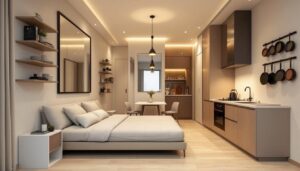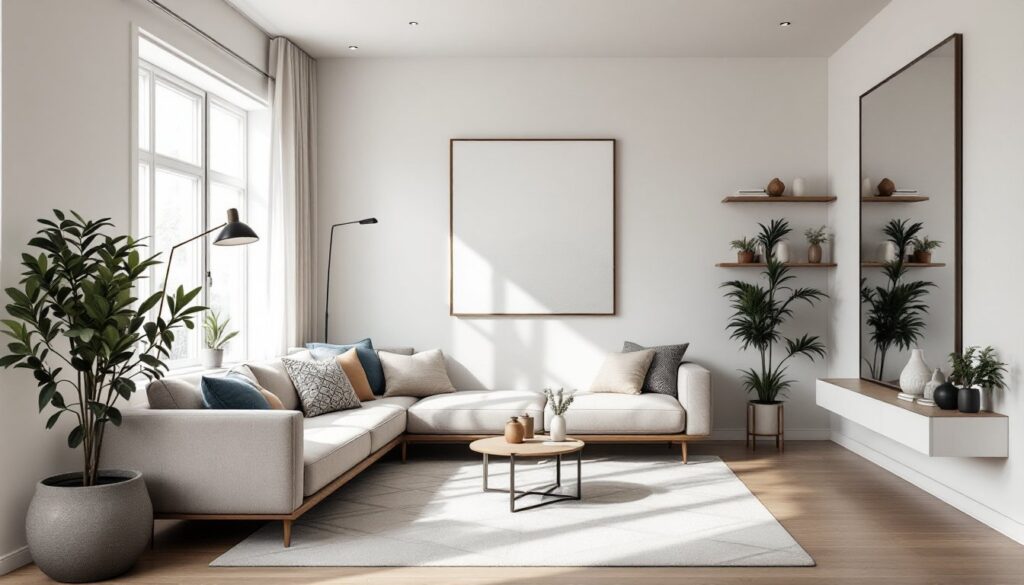

Decorating an apartment living room on a tight footprint doesn’t mean settling for bland or cramped. The key is working with what you’ve got, and understanding the design fundamentals that make small spaces feel intentional, not like afterthoughts. Whether you’re renting, just moved in, or ready to refresh what you have, apartment living room designs can be both stylish and practical. The 2026 approach leans into flexibility: choosing adaptable pieces, smart color work, and statement items that earn their real estate. This guide walks you through design principles, modern styles, space-maximizing tactics, and decor strategies that actually work in apartments without very costly or your lease agreement.
Table of Contents
ToggleKey Takeaways
- Apartment living room designs prioritize intentional, multifunctional pieces and smart color work using the 60-30-10 rule to make compact spaces feel intentional rather than cramped.
- Light, neutral base colors paired with accent walls and layered textures through textiles and artwork create depth and visual interest without overwhelming small living spaces.
- Maximalist apartment designs work through ruthless editing and curated placement, while minimalist approaches emphasize vertical storage, floating furniture, and statement pieces that earn their space.
- Small space living relies on strategic furniture choice—measuring first, selecting multifunctional pieces, and floating furniture away from walls to define seating zones naturally.
- Lighting, mirrors, and scaled-up accessories are practical tactics that amplify perceived depth and versatility, while empty floor space is a design feature that prevents claustrophobia.
- Gallery walls, bold area rugs, and strategically placed plants and large-scale art give apartment living rooms personality and visual impact without consuming valuable square footage.
Design Principles for Apartment Living Rooms
Choosing Your Color Scheme
Color sets the tone for your entire living room and can either expand or shrink the perceived space. Light, neutral bases, soft whites, warm grays, or pale beiges, reflect light and make rooms feel airier. They’re practical too: they hide dust better than dark walls and work as a canvas for bolder accents later.
That doesn’t mean you’re stuck with beige monotony. Layer in color through textiles, artwork, and accent walls. A single accent wall in a deeper tone (muted sage, soft charcoal, or warm terracotta) adds depth without overwhelming a compact room. Just avoid painting all four walls in dark shades: it’ll close the space in.
The 60-30-10 rule is your friend: 60% dominant color (usually your neutral base), 30% secondary color (mid-tone supporting hue), and 10% accent color (pops of personality). This ratio prevents decision fatigue and keeps the eye moving naturally through the room. Consider how natural light hits your apartment at different times of day, a color that looks great at noon might feel cold at dusk. If possible, test paint samples or fabric swatches for a few days before committing.
When working with apartment interior design strategies, remember that warm neutrals (creams, warm grays, soft browns) tend to feel cozier in smaller spaces, while cool neutrals work if you want a modern, airy vibe.
Modern Apartment Living Room Styles
Maximalist & Bold Designs
Maximalism isn’t about clutter, it’s about intentional abundance. A bold living room in an apartment can feel daring and full of personality without chaos. Start with a strong color palette: maybe deep jewel tones (emerald, sapphire, burgundy) paired with warm metals and patterned textiles. Layer textures: a velvet sofa, a patterned rug, woven wall baskets, and layered throw pillows.
The secret to maximalism in small spaces is editing ruthlessly. Every piece should spark something, visual interest, comfort, or function. Overcrowded shelves are noise: purposefully arranged shelves with books, plants, and curated objects tell a story. Use apartment therapy design principles to guide placement: group items in odd numbers, vary heights, and leave breathing room between objects.
Wall art is your best friend in a maximalist small space. A gallery wall adds richness without consuming square footage. Mix frame styles and sizes, include textiles or woven pieces, and don’t overthink alignment, organic, salon-style layouts feel intentional and modern.
Minimalist & Contemporary Approaches
Minimalism thrives in apartments because it directly tackles the storage and spatial challenges of small living. The goal isn’t emptiness: it’s clarity. Keep a tight color palette (white, one neutral, one accent), choose furniture with clean lines and tapered legs (so you can see floor space), and adopt the “one in, one out” rule for decor.
In a minimalist living room, each piece earns its place through form or function. A sculptural wooden side table works harder than a basic plastic one, it’s both useful and visually interesting. Floating shelves over a console table take up less visual weight than a bulky cabinet. A single statement plant in a concrete planter does more work than six small ones scattered around.
Lighting is crucial here: minimalist spaces need good task and ambient lighting to avoid feeling cold. Recessed lights, a sleek floor lamp, and a simple table lamp create layers without visual clutter. Textiles in a minimalist scheme are often neutral too, but don’t skip them entirely, a linen throw and one textured pillow add warmth to a pared-down space. Research modern apartment design approaches to see how professionals balance simplicity with livability.
Making the Most of Small Spaces
Small apartment living room ideas live or die by furniture choice and layout. Measure your room before shopping, know your wall lengths, window positions, and any architectural quirks (radiators, outlets, low ceilings). A sofa that fits online specs might still feel oversized in person.
Choose multifunctional pieces: an ottoman with hidden storage, a coffee table that adjusts height for dining, or a console table that doubles as a desk. Wall-mounted shelving and floating desks preserve floor space and visual breathing room. Corner spaces often go unused, a tall, narrow bookshelf or a plant stand in a corner doesn’t impede traffic but fills an awkward zone.
Layout matters as much as what you buy. Float furniture away from walls to define the seating zone and make the room feel intentional. A small area rug anchors the sitting area and defines the space without making it feel cramped. Vertical storage is your lifeline: tall bookcases, wall-mounted cabinets, and open shelving draw the eye upward and make compact rooms feel taller.
Lighting and mirrors are practical tactics too. A large mirror opposite a window bounces light and doubles the perceived depth. Layered lighting (overhead, task, and accent) eliminates dark corners and makes the room feel larger and more versatile. The principles discussed in interior design techniques for small spaces apply directly to apartment living, think vertical, think light, think flexible.
One warning: resist the urge to cram furniture into every inch thinking it’ll feel full. Empty floor space is a design feature in small rooms, not a failure. It keeps the room from feeling claustrophobic and makes cleaning easier too.
Styling with Statement Pieces & Decor
Statement pieces are how small apartment living rooms punch above their weight. A bold area rug (geometric, jewel-toned, or subtly patterned) anchors the seating zone and adds personality without taking up wall space. A striking sofa in a unexpected color, dusty blue, warm rust, or rich green, becomes the room’s focal point and sets the design direction for everything else.
Art and accessories deserve thought. Instead of scattering small framed prints, group them into a cohesive gallery wall or lean a large canvas against the wall behind your sofa. One or two oversized pieces have more impact than a gallery of tiny ones in a compact room. Textiles, throw pillows, blankets, and window treatments, add comfort and color without the footprint of additional furniture.
Plants bring life and visual interest. Large floor plants (a fig tree, a snake plant, or a fiddle leaf fig) add height and break up wall space. Trailing plants on high shelves soften edges and create a layered, lived-in feel. Group smaller plants on side tables or shelves rather than spacing them individually.
When decorating a small apartment living room, avoid the mistake of undersizing accessories. A lamp that’s too small looks cheap: one that’s properly scaled looks intentional. A side table that sits too low relative to your sofa throws off balance. As you refine your scheme, reference smart decorating ideas for small living rooms to see how scale and proportion work in real rooms.
For renters, consider apartment design approaches that respect lease restrictions when choosing wall treatments and permanent changes. Removable wallpaper, damage-free picture-hanging strips, and furniture-based styling keep you flexible and protect your deposit.