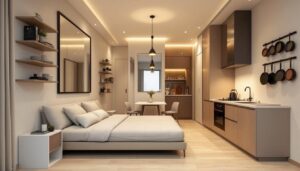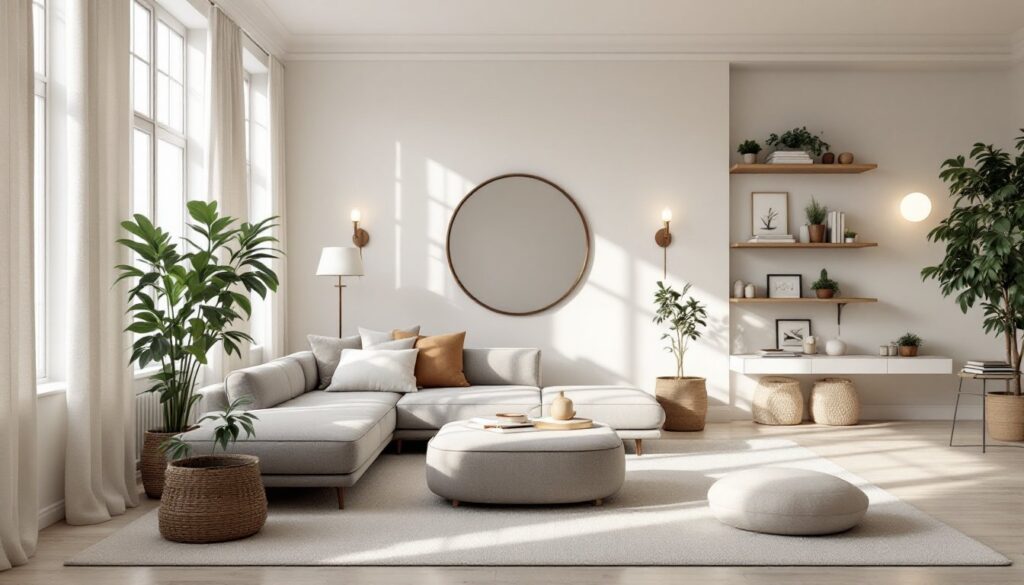

Living in an apartment means accepting trade-offs, but your living room doesn’t have to feel cramped or cluttered. The key to decorating a small apartment living room is working with your constraints, not against them. Whether you’re furnishing a one-room apartment or trying to maximize a modest living space, smart decisions about furniture, color, storage, and layout can transform even the tightest quarters into a place that feels open, intentional, and genuinely livable. This guide covers seven practical strategies that interior designers rely on when they’re working with limited square footage. You’ll find actionable ideas you can carry out this week, not Pinterest boards that look good but don’t work in real life.
Table of Contents
ToggleKey Takeaways
- Apartment living room decorating improves by maximizing vertical wall space with floating shelves, wall-mounted storage, and pegboard panels rather than relying on precious floor space.
- Choose multipurpose furniture like ottomans with hidden storage, coffee tables with drawers, and wall-mounted desks to maximize function without adding visual density to small spaces.
- Light colors, high-mounted curtains, layered lighting, and mirrors opposite windows create the illusion of a larger, brighter room while strategic fabric choices anchor your layout.
- Define zones in studio apartments using rugs, furniture placement, and subtle color shifts to separate living, sleeping, and working areas without permanent walls.
- Incorporate statement plants and natural elements like reclaimed wood to add warmth and organic texture while avoiding clutter that makes tight spaces feel cramped.
Maximize Vertical Space With Smart Storage and Wall Décor
In a small apartment, walls are your biggest unused asset. Floor space is precious: vertical space is cheap. Install floating shelves (use a stud finder to locate wall studs and secure shelf brackets into studs, not just drywall, they need to support actual weight). Mount shelves 12 to 18 inches apart and group them in odd numbers (three or five shelves looks intentional, even pairs feel random). A 24-inch-deep shelf above a sofa or console can hold books, plants, and decorative boxes without eating into the room.
Wall-mounted storage cabinets and cubbies pull double duty: they hide clutter and add visual interest above eye level. Paint them the same color as your walls to make them recede, or use a contrasting color to draw attention upward (this tricks the eye into thinking the room is taller). Pegboard panels, also mounted to wall studs, let you customize storage as your needs change. A 4-by-8-foot panel of 1/4-inch plywood with 1/4-inch holes drilled every 1 inch on center accepts standard pegboard hooks and baskets. It’s cheap, modular, and works in any apartment without permanent damage. When you move, patch the holes with spackle and two coats of paint, takes 20 minutes.
Choose Furniture That Serves Multiple Purposes
A sofa that’s just a sofa is a luxury apartment furniture can’t afford. Look for pieces that pull double or triple weight: an ottoman with hidden storage (real storage, not those flimsy fabric ones that collapse), a coffee table with drawers underneath, or a console table behind your seating that doubles as a desk or dining surface. A low-profile bed frame with storage drawers below uses the dead space under your mattress: a standard queen mattress is 60 inches by 80 inches, and a 6-inch-tall storage drawer slides right under without hitting floor joists or baseboards.
Choose furniture with exposed legs rather than a full skirt or base, even 4 inches of visible floor underneath a chair makes the room feel less dense. Furniture that floats in the center of the room (not pushed against walls) actually creates a sense of spaciousness if the footprint is small. Wall-mounted desks fold down when you need a workspace and tuck away when you don’t. Bar stools that tuck under a counter or console save significant floor space compared to dining chairs. When selecting pieces, measure your actual living space first (and write it down, don’t rely on memory). A 7-foot sofa won’t fit in a 12-foot room if you also need walking paths on either side.
Use Light and Color to Open Up Small Rooms
Light colors reflect light and make rooms feel larger: dark colors absorb it. Paint walls in soft whites, creams, warm grays, or pale pastels. A whole-room light palette doesn’t have to be bland, layer different shades of the same color family (cream walls, white trim, soft taupe furniture). Two-tone walls (lighter on top, slightly darker on bottom) can add visual interest without making the space feel smaller, though one solid light color is safer for tiny rooms.
Maximize natural light by keeping windows clear. Lightweight curtains (linen, cotton, or synthetic blends) that mount high and wide let light in while softening harsh afternoon sun. Mount rods near the ceiling line, not just above the window frame, this draws the eye upward and makes ceilings feel taller. Layer ambient light with task lighting: wall sconces flanking a mirror use vertical wall space instead of table lamps that need floor or shelf real estate. A bright, dimmable overhead fixture (60–75 watts equivalent LED, which runs cool and efficient) gives you flexibility. Mirrors opposite windows bounce light back and literally double the visual depth of a room. A 24-by-36-inch mirror mounted horizontally on one wall creates the illusion of a larger, brighter space. Contemporary interior design ideas often emphasize this layered lighting approach for apartments.
Create Defined Zones Without Walls
A studio or one-room apartment needs visual boundaries between living, sleeping, and working areas, without actual walls. Use rugs, furniture arrangement, and slight level changes to define zones. A 5-by-8-foot rug anchors a seating area: a different rug (or a change in flooring material, like a 2-by-4-foot natural fiber mat) signals a shift to a sleeping or work zone. Furniture placement creates invisible walls: position a low bookshelf or console at a 90-degree angle to your sofa to separate the living area from a bedroom nook.
Color shifts mark transitions too. Paint the “bedroom” wall a warmer tone while keeping the “living” walls neutral. A fabric room divider or accordion screen (18 to 24 inches wide) folds closed at night and disappears into a corner during the day. If rental restrictions prevent permanent changes, a tall plant or narrow bookshelf in a corner does the same job. The goal is helping your eye (and your brain) understand that different activities happen in different zones, even if they’re just 10 feet apart. Design strategies for small apartments often use this layering technique to make one room feel like multiple purposeful spaces.
Select Rugs and Textiles to Anchor Your Layout
A rug grounds a room and defines its purpose. In a small space, one or two rugs max, too many fragments the visual flow. A 5-by-8-foot wool or wool-blend rug (or a jute, sisal, or natural fiber alternative for high-traffic areas) is the most forgiving for apartments. Wool costs more upfront but wears better and hides dirt. Avoid all-white or cream rugs unless you’re committed to vacuuming twice a week: darker or patterned rugs hide crumbs, dust, and footprints that read as clutter in tight quarters.
Layer textiles to add warmth and soften hard edges: throw blankets, pillow covers, and wall hangings introduce color and texture without taking floor space. Linen, cotton canvas, and natural fiber weaves feel more substantial than cheap synthetics and age better. Hang a lightweight tapestry or fabric wall hanging (48 by 72 inches or smaller) to add visual interest and absorb sound in rooms with hard floors. Curtains, rugs, and upholstery in complementary colors or patterns create cohesion: pick two or three colors and repeat them across textiles. A small apartment shouldn’t feel like it’s wearing seven different outfits at once. Consistent, intentional textile choices make the space feel designed rather than decorated.
Incorporate Plants and Natural Elements
Live plants improve air quality, reduce visual harshness, and introduce organic color and texture. A 3-foot or 4-foot tall pothos, snake plant, or rubber tree takes up minimal floor space (a 6-inch nursery pot is 6 inches in diameter) and fills vertical space. Hang small pots from a tension rod mounted between two walls (tension rods hold weight without drilling), or use corner plant stands that occupy one small corner without radiating out into the room.
Natural wood, stone, and unpainted textiles (linen, jute, raw cotton) introduce warmth that balances the clinical feel of apartment walls, carpet, and plastic light fixtures. A reclaimed wood shelf, a stone accent piece, or a wooden side table contributes to a lived-in, intentional aesthetic. Avoid clutter, plants and natural objects should be carefully chosen and displayed, not crammed together. One statement plant (a 4-foot-tall bird of paradise or monstera) in a corner makes a bigger visual impact than a dozen tiny succulents scattered on a shelf. Water carefully: overwatering is the number-one plant killer in apartments. Most apartment dwellers underwater more than overwater, so use a moisture meter (under $10) and stick to it. Professional interior design tips often include strategic plant placement to break up visual monotony in compact spaces.
Conclusion
Decorating a small apartment living room works best when you’re honest about what you actually own and what you actually use. Cut the clutter, go vertical, choose multipurpose pieces, and let light and color do the visual heavy lifting. Your apartment doesn’t need to look like a showroom, it needs to work for your life. Carry out these strategies one at a time, measure twice, and you’ll end up with a living room that feels larger, more intentional, and genuinely comfortable. Small spaces force better design decisions. Embrace that.