
Victorian interior decor remains one of the most enchanting design styles homeowners gravitate toward, blending ornate elegance with functional beauty. Whether you’re drawn to the grandeur of Victorian home interior design or simply want to weave period elements into a modern space, understanding the fundamentals helps you avoid museum-like sterility and instead create layered, livable rooms. This guide breaks down what makes Victorian aesthetics work today, from color choices and furniture selection to lighting that feels both authentic and contemporary. You don’t need to live in a Queen Anne mansion to capture that timeless charm: even small touches rooted in Victorian interior design principles can transform ordinary rooms into spaces with real personality and depth.
Table of Contents
ToggleKey Takeaways
- Victorian interior decor balances ornate elegance with functional beauty by layering deep colors, patterned wallpapers, and textured fabrics that create personality without museum-like sterility.
- Deep, saturated color palettes like forest green and burgundy, paired with crisp white trim and architectural details such as crown molding and chair rails, form the foundation of authentic Victorian design.
- Mix Victorian anchor pieces with contemporary elements—like pairing a genuine antique settee with modern area rugs—to prevent rooms from feeling frozen in time while maintaining period character.
- Layered lighting with warm-white bulbs (2700K), fabric-shaded lamps, and statement chandeliers replaces harsh overhead fixtures and recreates the intimate ambiance Victorians achieved with gas lamps and candlelight.
- Start small by adding wallpaper to one room, introducing ornate mirrors, and gradually building collections of accessories and textiles that make Victorian interior decor feel genuinely lived-in rather than overdone.
- Modern homes with Victorian aesthetics thrive when you adapt proportions to your actual space—using selective accent walls, rugs, and furniture grouping to create distinct zones in open-concept layouts.
Understanding Victorian Design Aesthetics
Historical Roots and Key Design Elements
Victorian interior decor draws from the design movements spanning Queen Victoria’s reign (1837–1901), a period that celebrated excess, craftsmanship, and ornamental detail. The style wasn’t monolithic, it evolved through several substyles including Early Victorian, Mid-Victorian (High Victorian), and Late Victorian, each layering new influences atop its predecessor.
The core DNA of Victorian design includes heavy use of dark woods (walnut, mahogany, oak), richly patterned wallpapers, velvet and damask fabrics, and decorative molding at every opportunity. Architectural details matter: crown molding, chair rails (or dados), wainscoting, ceiling medallions, and fireplaces serve as anchors for the entire aesthetic. The Victorian house interior design style prioritizes ornament and layering rather than minimalism: every surface can host pattern, texture, or embellishment.
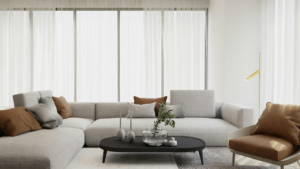
That said, not every Victorian element needs rigid historical accuracy. Modern Victorian rooms pull the sensibility, the comfort with pattern, the embrace of jewel tones, the mix of textures, while ditching cramped proportions and heavy furniture that dominated actual 1880s parlors. The goal is capturing refinement and character without recreating a museum display.
Color Palettes and Wall Treatments
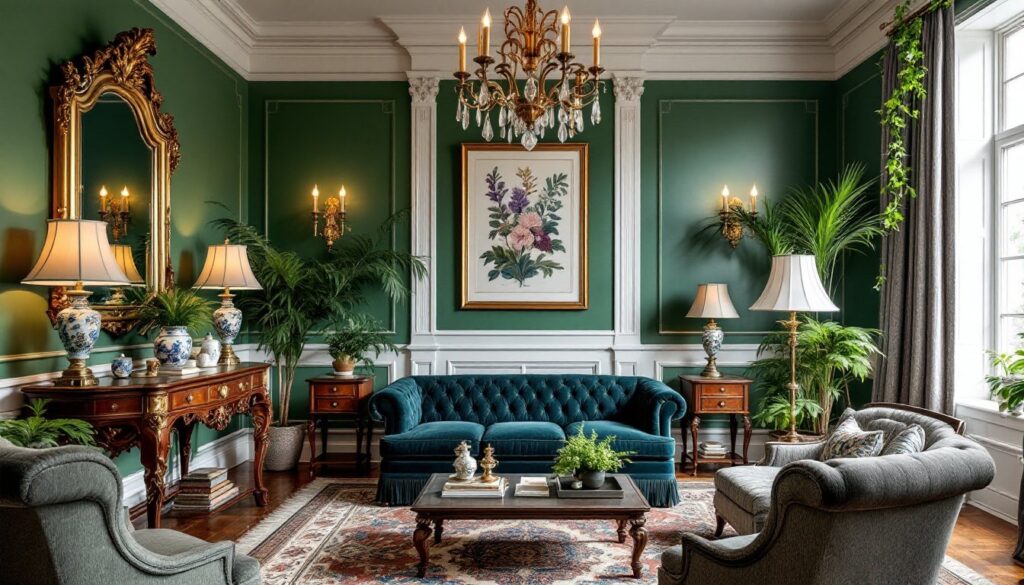
Victorian color schemes lean toward deep, saturated hues: forest green, burgundy, plum, navy, and charcoal. These weren’t arbitrary choices, deep colors masked soot and ash from gas lamps and fireplaces, while they also signaled wealth and sophistication. Creams, champagne, and pale grays serve as grounding neutrals in Victorian interiors, often appearing as ceiling or trim colors to prevent rooms from feeling oppressive.
Wallpaper is the signature Victorian wall treatment, and it’s experiencing genuine revival in 2026. Damask patterns, floral repeats, and geometric geometries in jewel tones recreate period authenticity far better than flat paint alone. If full wallpaper feels too committal, consider a feature wall or chair rail application (wallpaper below, paint above), which was a common Victorian strategy. Look for papers with a tactile, complex finish rather than slick, modern prints, the depth matters.
For paint, never underestimate the importance of quality trim work. Victorian rooms derive much of their character from wood molding painted in crisp white, cream, or soft gray that contrasts with darker wall colors. This contrast creates visual interest and makes the architecture itself a design feature. If stripping existing molding isn’t feasible, adding simple crown molding or a chair rail (typically installed 30–36 inches above the floor) instantly evokes the period, even in modest rooms. Primer and two coats of quality eggshell or semi-gloss paint on trim create that clean, period-appropriate finish.
Furniture Selection and Arrangement
Victorian furniture is sturdy, often heavily carved, and designed for visual impact. Primary pieces (sofas, dining tables, bed frames) feature cabriole legs, rolled arms, button tufting, and ornate legs. Wood species matter: mahogany, walnut, and oak darken beautifully over time, so quality antiques or vintage reproductions trump modern particle-board pieces.
But, mixing periods works well in modern Victorian rooms. A genuine antique settee with a contemporary area rug, or a period-appropriate armchair paired with clean-lined side tables, prevents the space from feeling frozen in time. The key is intentionality, everything should look collected rather than randomly assembled.
Arrangement differs from contemporary open-plan living. Victorians grouped furniture around focal points: a fireplace, a bay window, or a prominent sofa. This creates intimate conversation areas rather than furniture floating in empty space. In smaller modern homes, anchor one wall with a sofa or console, then layer in accent chairs and side tables to form a cohesive vignette. Multiple distinct zones beat one sprawling seating arrangement.
Victorian spaces also accommodated substantial pieces, ottomans, fainting couches, secretaries, tall bookcases, because emptiness was considered wasteful. Modern reinterpretation means you can embrace this fullness without actual clutter: use negative space deliberately, keep surfaces clean, and ensure every piece serves function or beauty (or both).
Accessories and Decorative Details
Accessories are where Victorian interior decor truly sings. Layered table scapes, artwork, plants, mirrors, and collectibles transform bare rooms into visually complex, inviting spaces. Victorian homes featured abundant framed artwork, botanical prints, landscapes, and portraiture, often arranged in salon-style clusters rather than single centered pieces.
Mirrors, particularly ornate gilt or carved wood frames, served both aesthetic and practical purposes (reflecting candlelight, amplifying visual space). Hanging mirrors at varying heights creates dimension: oversized statement mirrors above mantelpieces or console tables anchor entryways.
Plants and florals were essential: fresh cut flowers in urns, ferns in corners, and climbing ivy on mantels. Modern versions keep this alive without the high maintenance, quality artificial botanicals now come close to originals, and a few genuine trailing pothos or ferns in corners feel authentically Victorian without demanding constant care.
Collectibles, porcelain figurines, glass vases, vintage books, candlesticks, deserve display. Shelving, bookcases, and étagères showcase these items: avoid random scattering. Group similar objects by color or material, and don’t leave empty gaps. Victorian decorating was about abundance within an organizing principle.
Don’t overlook modern gothic interior design as a related aesthetic if you find pure Victorian too ornate: gothic elements like darker woods and dramatic lighting share ancestry with Victorian sensibilities and offer a slightly edgier alternative.
Lighting and Textiles for Authentic Victorian Rooms
Lighting shape-shifts Victorian spaces more than any other single element. Victorians favored warm, soft light, gas lamps, candles, and early incandescent bulbs, which felt intimate. Modern LED warm-white bulbs (2700K color temperature) replicate this glow far better than harsh overhead fixtures. Layer lighting: table lamps with fabric shades, wall sconces beside mirrors, a statement chandelier, and candlelight (real or faux) create ambiance impossible with one ceiling light.
Choose period-appropriate fixtures: brass or bronze chandeliers with crystal drops, Tiffany-style stained glass, tin or glass shades on wall sconces. Avoid sleek, minimalist lighting, Victorians embraced ornamentation everywhere, and lighting was no exception. If replacing existing fixtures, look for reproduction pieces that honor the era without feeling kitschy.
Textiles carry equal weight. Victorian fabrics include velvet, damask, jacquard, brocade, and tapestry, heavy, textured materials that absorbed sound and projected wealth. Window treatments are paramount: full-length curtains (floor to ceiling, not window-top to sill) in rich fabrics, often paired with sheers underneath and ornate rods. Heavy drapes weren’t purely decorative: they provided insulation and privacy in drafty, gas-lit homes.
Layering textiles, velvet pillow covers on upholstered furniture, patterned throws, ornate area rugs with fringe, adds warmth and visual richness. Area rugs, particularly Turkish, Persian, or Victorian reproduction patterns, anchor furniture groupings and define space. Quality rugs are an investment: choose dense pile and natural fibers (wool, silk blends) over synthetic options if budget allows. The tactile, aged quality of natural fibers reads authentically Victorian.
Adapting Victorian Style for Modern Homes
Modern homes and Victorian aesthetics can coexist beautifully when you honor the proportions and layouts you actually have. Small spaces need restraint: don’t force a heavy mahogany bedroom suite into a modest room. Instead, choose one or two Victorian anchor pieces, a carved headboard, an ornate mirror, a vintage settee, and balance with contemporary simplicity.
Open-concept layouts challenge Victorian room definition. Victorian spaces were compartmentalized: modern living often isn’t. Create visual zones using rugs, furniture arrangement, or architectural elements like half-walls or bookcases rather than fighting your home’s layout. A Victorian color palette (jewel tones, deep greens) still works in open spaces when applied selectively, an accent wall, window treatments, or furniture upholstery rather than painting every surface.
Modern functionality matters. Victorian homes lacked electrical outlets, climate control, and storage. Subtly integrate these: hide cords behind furniture, use period-style secretary desks or credenzas for concealed storage, and install outlets in less visible walls or inside existing trim where possible. Good design solves real-life problems, not just aesthetic ones.
For those drawn to related aesthetics, steampunk interior design bridges Victorian elegance with industrial elements, offering another avenue if you want period charm with harder edges. Similarly, exploring interior design tips helps refine your personal approach before committing to major changes.
Start small: add wallpaper to one bedroom, introduce a statement mirror, layer in textiles, and light carefully. Victorian interior decor builds gradually: the best rooms feel lived-in and collected, not decorated all at once. Test elements, adjust, and let your space evolve into something uniquely yours that happens to honor 19th-century elegance.
Bringing Victorian Character Home
Victorian interior decor thrives when you embrace its philosophy, that beauty, ornamentation, and comfort belong together, without feeling obligated to historical accuracy. Layer color, texture, lighting, and meaningful objects to create spaces that feel both refined and genuinely livable. Start with foundational elements (paint, wallpaper, window treatments, quality lighting), anchor the room with one or two substantial furniture pieces, then personalize with accessories that reflect your taste. The result is a home that honors the past while serving your present.