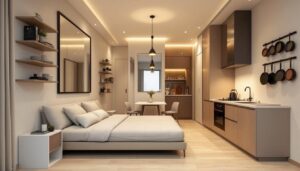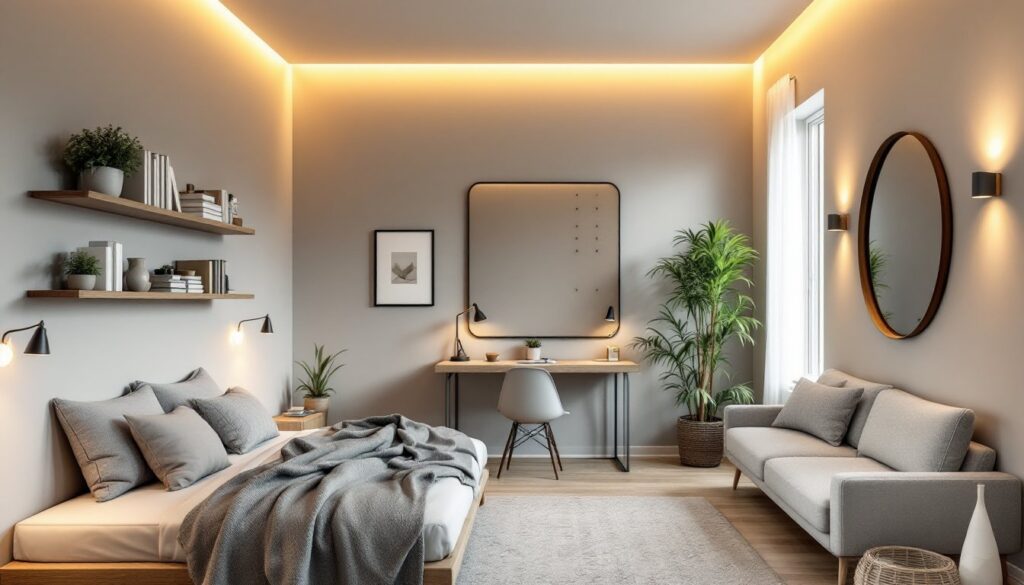

Living in an efficiency apartment comes with real constraints: one room serves as bedroom, living area, and sometimes workspace. That tight footprint doesn’t mean you settle for bland or cramped. Smart efficiency apartment decor is about making every square foot count, choosing pieces and layouts that look intentional, not makeshift. Whether you’re dealing with a studio apartment decorate challenge or searching for ideas for decorating an efficiency apartment, the strategy stays consistent: prioritize function, choose cohesive colors, and layer textiles to create zones. This guide walks you through proven tactics to transform a compact space into somewhere that feels both stylish and livable, without requiring a renovation permit or professional designer.
Table of Contents
ToggleKey Takeaways
- Efficiency apartment decor thrives on multi-functional furniture—ottomans with storage, beds with drawers, and murphy desks—that serve at least two purposes and maximize limited square footage.
- A cohesive color palette with neutral bases and one accent color, combined with layered lighting (floor lamps, task lights, wall sconces), makes compact spaces feel larger and more intentional.
- Vertical storage solutions like wall-mounted shelves, pegboards, and floating cabinets pull storage off the floor and draw the eye upward, creating the illusion of height.
- Strategic use of mirrors opposite windows, minimal decor accents, and coordinated textiles (throws, pillows, rugs) add warmth and define zones without visual clutter.
- Budget-friendly updates like furniture rearrangement, accent wall paint, and textile swaps (under $200) often transform a studio apartment or efficiency space more effectively than expensive renovations.
Choose a Cohesive Color Palette and Lighting Strategy
Your color palette sets the tone for the entire space. Neutral or soft colors, whites, soft grays, warm beiges, make rooms feel larger because they don’t compete for visual attention. If you want personality, anchor the room with one accent wall or accent color (deep green, warm terracotta, muted blue) and repeat it in textiles and accessories. This creates flow without overwhelming limited square footage.
Lighting matters as much as paint. A single overhead fixture leaves corners dark and unflattering. Layer your light with floor lamps, desk lamps, or wall sconces (which save floor space) positioned in different areas. When natural light is limited, choose warm-toned bulbs (2700K) to make the space feel cozy rather than clinical. Task lighting near your bed or desk keeps the room functional, while ambient lighting from a corner lamp or LED strip behind a shelf softens the overall feel. This approach borrowed from interior design for apartments strategies helps zones feel separate even when they’re physically connected.
Furniture That Earns Its Space: Multi-Functional Pieces
In an efficiency apartment, furniture must work overtime. A bed with built-in storage drawers eliminates a separate dresser. An ottoman with hidden storage doubles as seating and a coffee table. A console table behind a sofa (or in place of a sofa back) provides display space without taking up a full wall.
Choose one main seating piece, a compact sofa, loveseat, or chaise, rather than scattering chairs around. A murphy desk that folds into the wall or a nesting table set lets you expand your workspace when needed and collapse it when you don’t. Upright shelving takes less visual real estate than horizontal bookcases. Resources like IKEA Hackers showcase smart modifications to standard pieces: a simple KALLAX shelf becomes a room divider or storage wall with minimal effort. The key: every piece should serve at least two purposes, seating and storage, display and function, workspace and decor. Avoid buying “just because” something looks nice: it has to fit your workflow and use case.
Wall Storage and Vertical Solutions
Vertical real estate is your best friend in a compact space. Wall-mounted shelves, pegboards, and floating cabinets pull storage off the floor and draw the eye upward, making rooms feel taller. Floating shelves (mounted to studs or with heavy-duty wall anchors rated for your region’s building code) display books, plants, and decor while keeping surfaces clear.
A pegboard above a desk or beside your bed organizes cords, headphones, keys, and small items without clutter. Wall-mounted hooks near the entryway replace a freestanding coat rack. If your lease allows, consider peel-and-stick wallpaper on one accent wall or behind shelving: it adds texture and visual interest without permanent damage. Tall, narrow shelving units fit snugly against corners or beside a window. The strategy here mirrors professional small apartment interior design ideas, everything vertical, nothing wasted horizontally. Be selective about what goes on shelves: one book, one plant, one decor piece per shelf reads clean. Crowded shelves shrink the space visually.
Textiles and Layering for Warmth Without Clutter
Textiles soften hard surfaces and define zones in an open plan. A throw blanket draped over your sofa signals “living area.” A bed runner or coordinating throw pillows anchor the sleeping zone. Curtains (sheer for privacy, blackout for sleep) frame windows and add height if mounted near the ceiling.
Layer your textiles intentionally: bedding in one color family, throw pillows in complementary tones, and a rug that ties the main seating area together. A small rug (4’×6′ or smaller) defines your living or workspace without overwhelming the room. Choose washable fabrics for high-traffic items: a removable pillow cover is easier to refresh than replacing the pillow. Avoid mismatched textures that feel chaotic, stick to two or three coordinating fabrics per zone. According to design inspiration sites like Young House Love, small spaces benefit from textiles that repeat your color story, making a modest footprint feel intentional and composed.
Mirrors, Decor Accents, and Optical Illusions
Mirrors are the efficiency apartment’s secret weapon. A full-length mirror or large wall mirror opposite a window bounces light and makes the space feel bigger. Position it to reflect natural light, not just a wall. A mirrored side table or mirrored shelf backing adds depth and brightness without taking up extra floor space.
Keep decor accents minimal and intentional. One or two statement pieces, a piece of art, a plant in a decorative pot, a sculptural object, work better than covering every surface. Too many small items create visual noise that crowds a small room. Plants (live or high-quality faux) add color and improve air quality: hang them from a plant hook or tuck them into a corner shelf to save table real estate. Color-coordinate your decor accents to your chosen palette so everything feels cohesive. Resources like Decoist showcase how strategic accessorizing in modern spaces maximizes impact with restraint, a framed poster, a vase, a few books become a styled moment rather than clutter.
Quick Wins: Budget-Friendly Updates That Transform Small Spaces
Not every improvement requires money or tools. Rearranging furniture to face the room differently changes the entire feel and uncovers hidden wall space. Decluttering surfaces reveals more floor area and makes the space feel bigger, box up off-season items and store them elsewhere. A fresh coat of paint on one accent wall (or the trim) updates the space without major investment: use a paint roller for fast, even coverage on walls and a angled brush for trim. That’s a weekend project, not a career change.
Swapping out hardware on dressers or cabinets, updating curtain rods, or hanging new light fixtures add polish without structural work. These tactics keep your security deposit safe because they’re temporary or easily reversible. Test paint colors on sample boards first: lighting changes throughout the day, and you want to live with the choice before committing to a gallon. A simple decor refresh, new throw pillows, rearranged shelves, or a different wall color, often costs under $200 and transforms the space more than a furniture splurge ever could.
Conclusion
Decorating an efficiency or studio apartment demands restraint and intention, but the payoff is a space that’s both beautiful and functional. Stick to a cohesive color palette, choose furniture that earns its footprint, build upward with storage, layer textiles thoughtfully, and use mirrors and accents strategically. These moves work across any efficiency apartment decor style, minimalist, modern, eclectic, and respect your lease and budget. Your small space isn’t a limitation: it’s a canvas for focused, thoughtful design. Start with one section, nail the approach, and expand from there. You’ll be surprised at how much personality and comfort fit into one well-designed room.