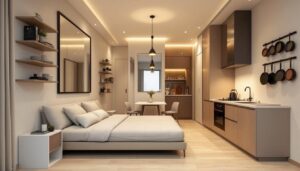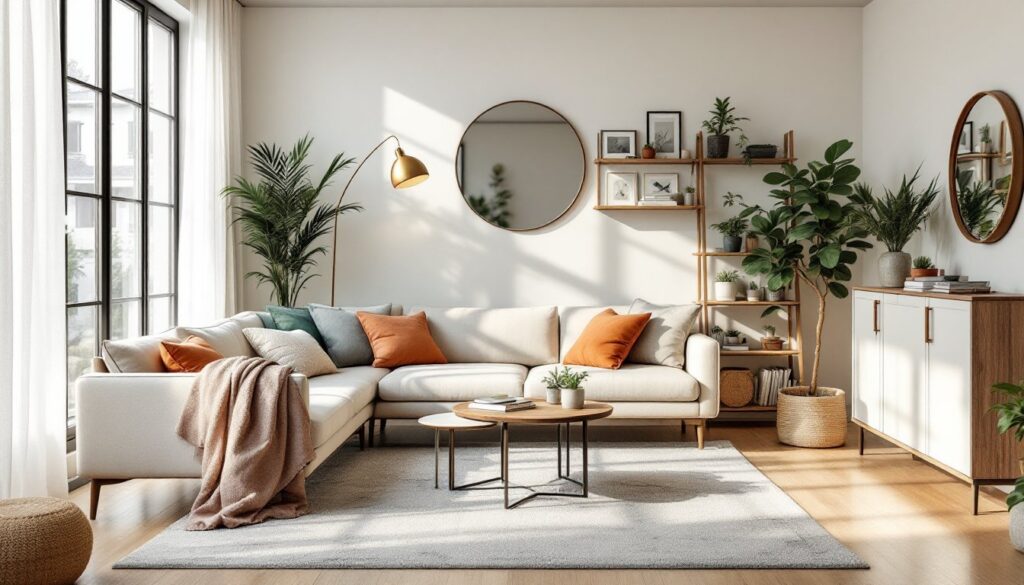

Decorating an apartment living room feels different from other home projects, you’re working with constraints. Limited square footage, landlord restrictions, and rental-lease limitations can make it tempting to stick with bare walls and mismatched furniture. But apartment living doesn’t mean settling for bland spaces. The right apartment living room decor ideas combine smart design choices with practical solutions that work within rental rules. This guide walks through achievable strategies to make your apartment living room feel intentional, inviting, and genuinely yours, without the permanent commitment that comes with homeownership.
Table of Contents
ToggleKey Takeaways
- Apartment living room decor ideas succeed when you start with a clear style foundation and measure your space accurately to avoid furniture that overwhelms small layouts.
- Choose multi-functional furniture scaled to your space (sofas 72–78 inches wide, leggy pieces, storage ottomans) and use vertical wall storage instead of floor space to maximize apartments.
- Layer three types of lighting—ambient, task, and accent—plus strategically place mirrors opposite windows to brighten spaces and create the illusion of depth without permanent installation.
- Build visual interest through a cohesive color palette of 2–3 colors, patterned area rugs, and mixed textures like linen, wool, and rattan that feel collected rather than catalog-curated.
- Use renter-friendly solutions like command strips, removable wallpaper, and adhesive hooks to hang gallery walls, mirrors, and shelves without landlord friction or deposit loss.
- Plants, throw pillows, area rugs, and throw blankets are affordable, portable pieces that transform bland apartments and move with you to future homes.
Establish Your Style Foundation and Layout Strategy
Before buying a single pillow, get clear on what you actually want your living room to feel like. Are you aiming for minimalist calm, cozy warmth, or energetic creativity? Your style foundation shapes every choice that follows, from color palettes to furniture silhouettes.
Start by taking photos of rooms (in magazines, Instagram, Pinterest) that make you pause. Don’t overthink it: just collect images that resonate. Look for patterns: Are you drawn to certain colors? Textures? Open space or layered density? This visual research saves time and prevents impulse purchases that don’t fit your actual taste.
Next, map your actual living room. Note the window placement, wall dimensions, doorways, outlets, and any built-in features (radiators, shelving, awkward nooks). Measure twice. A 12-foot wall isn’t actually 12 feet in usable furniture space when you account for doors and traffic flow. Sketch a rough floor plan, nothing fancy, just rectangles to scale. This forces honest decisions about what furniture actually fits.
Layout strategy matters more in apartments than larger homes because every inch counts. The best apartment living room idea often starts with a strong focal point: a window view, a fireplace, or a feature wall. Arrange seating to face this anchor, which instantly makes the room feel intentional. Avoid floating furniture in the middle of the room unless the space is genuinely small: instead, anchor one or two pieces to walls to create visual stability and leave floor space open.
Maximize Small Spaces With Smart Furniture and Storage
Apartment living rooms benefit from a ruthless furniture edit. Every piece needs to earn its place by serving at least two functions: seating or a surface, plus visual appeal. A storage ottoman works as a coffee table and hidden storage: a console table behind the sofa adds display space without taking up seating room.
Choose furniture scaled to your actual space. An oversized sectional might look inviting in a showroom, but it’ll choke a small apartment. Look for sofa widths of 72 to 78 inches, compact enough to fit most layouts but substantial enough to feel like real seating. Leggy furniture (pieces that sit on visible feet rather than a skirted base) makes a room feel bigger because sight lines continue beneath them.
Float Furniture and Use Vertical Storage
Floating furniture, placing pieces away from walls, actually opens up small spaces when done right. It works because it creates distinct zones: a seating area, an entryway, a work nook. This psychological separation makes a one-room apartment feel less cramped.
Vertical storage transforms apartments by claiming wall space instead of floor space. Wall-mounted shelving, tall narrow bookcases, and floating shelves pull the eye upward and create pockets for books, plants, and décor without eating into your living footprint. Stack items in groups of three (visually pleasing and easy to scan) rather than scattered singles.
Consider a media console with drawers or cubbies for remotes, cords, and the stuff that always seems to migrate to your coffee table. A low media stand (typically 18 inches tall) keeps sightlines open compared to traditional TV cabinets. If you don’t have a dedicated storage piece yet, wall-mounted shelving above or beside your TV serves double duty as visual interest and functional storage.
Create Visual Interest Through Color, Pattern, and Texture
Color sets the entire mood of a living room. Neutral walls (warm greiges, soft whites, muted creams) act as a backdrop and make an apartment feel more spacious, but they don’t have to feel boring. Layer warmth through textiles, furniture, and accessories.
If you’re shy about bold walls, start small: paint one accent wall (the wall behind your sofa works well) in a deeper tone, sage, charcoal, warm terracotta. If the thought of paint prep makes you nervous or landlord rules apply, removable wallpaper or large fabric wall hangings deliver the same impact without commitment. The key is establishing a color story: pick 2 to 3 colors max for your main palette (say, warm white, rust, and deep forest green) and repeat them throughout textiles, art, and accessories so the room feels cohesive rather than chaotic.
Pattern breaks visual monotony and adds personality. A patterned area rug anchors a seating arrangement and defines the living room zone (especially in open-plan apartments). Layered textures prevent color schemes from feeling flat: mix linen, cotton, wool, velvet, and natural materials like jute or rattan. These tactile variations make a room feel richer and more collected-over-time rather than catalog-curated.
Apt living room decorating ideas thrive on personal touches. Hang a gallery wall of framed prints, photographs, and smaller artworks, varied frames in black, gold, or wood tones create visual rhythm. A large mirror or two (beyond just reflecting light) adds a decorative element while making the space feel more generous.
Enhance Light and Openness With Mirrors and Lighting
Lighting transforms apartments more dramatically than most renters realize. Overhead ceiling fixtures alone create flat, uninviting spaces. Layer three types of lighting: ambient (overhead or a bright floor lamp for overall illumination), task (a table lamp for reading or working), and accent (wall sconces or directed lighting to highlight art or architectural features).
Floor lamps are renter-friendly workhorses, they plug into existing outlets and need no installation. A tripod floor lamp with a linen shade casts soft light while looking intentional. A tall arc floor lamp with a dimmer switch creates drama without feeling harsh. Table lamps on side tables or console surfaces add visual balance and give you flexibility to adjust brightness for different times of day and moods.
Mirrors serve as functional décor in apartment living room designs. A large mirror opposite a window bounces natural light around the room and creates the illusion of added depth and space. Lean a floor mirror in a corner (no hanging required) to catch light, or hang a statement mirror with an interesting frame as a focal point. Gold, brass, and wood frames add warmth compared to plain glass.
Window treatments need balance: you want privacy and light control without blocking natural light completely. Sheer linen curtains filter harsh sun while maintaining an open feel, paired with roll-up shades or blackout curtains for evening. Hang curtain rods high and wide relative to the window opening, this simple optical trick makes both windows and rooms feel larger. Avoid heavy velvet or overly patterned curtains in small apartments: they visually shrink the space.
Renter-Friendly Decor Solutions That Require No Damage
Apartment living room ideas must work within rental constraints. Walls are off-limits for most renters, and even the thought of hanging anything can trigger anxiety about deposit loss. Thankfully, modern renter-friendly solutions deliver real style without landlord friction.
Use adhesive strips and hooks designed for renters, command strips, removable adhesive hooks, and damage-free wallpaper alternatives solve the hanging problem. Gallery walls, floating shelves, and mirrors can all go up using these products without leaving holes. Test on an inconspicuous spot first if you’re unsure about your walls’ texture or finish.
Furniture arrangement and textiles do the heavy lifting in rental apartments. An area rug (8×10 feet is standard for living rooms and anchors seating) changes everything, it defines the room’s personality and covers whatever’s underneath. Throw pillows in coordinated colors and patterns transform a bland couch instantly. A lightweight throw blanket draped over the arm adds coziness and visual softness. These pieces move with you, so they’re smart investments.
Removable peel-and-stick wallpaper is genuinely effective for accent walls or smaller areas, backsplashes on console tables, shelving backgrounds, or half walls work especially well. Fabric wall panels hung on tension rods (another renter-friendly, damage-free solution) soften hard walls and add color without permanence.
Plants and greenery serve practical and aesthetic roles. Potted plants on shelves, hanging planters near windows, and tall floor plants in corners bring life and air-purifying benefits without any installation. Interior Design Strategies emphasize how layering living elements creates spaces that feel established and curated. For apartment living room decor, greenery bridges the gap between your personal touch and renter rules, completely temporary, completely impactful.
Conclusion
Transforming an apartment living room doesn’t require a massive budget or permanent changes. Start with your style foundation, edit furniture ruthlessly for function and scale, layer color and texture thoughtfully, maximize light, and lean on renter-friendly solutions. Small shifts, a new area rug, better lighting, a gallery wall, strategic mirrors, compound into spaces that feel intentional and genuinely yours. Your apartment living room should reflect how you actually live, not feel like a showroom waiting for permission. Build it piece by piece, and don’t apologize for the constraints: they often spark the most creative solutions.