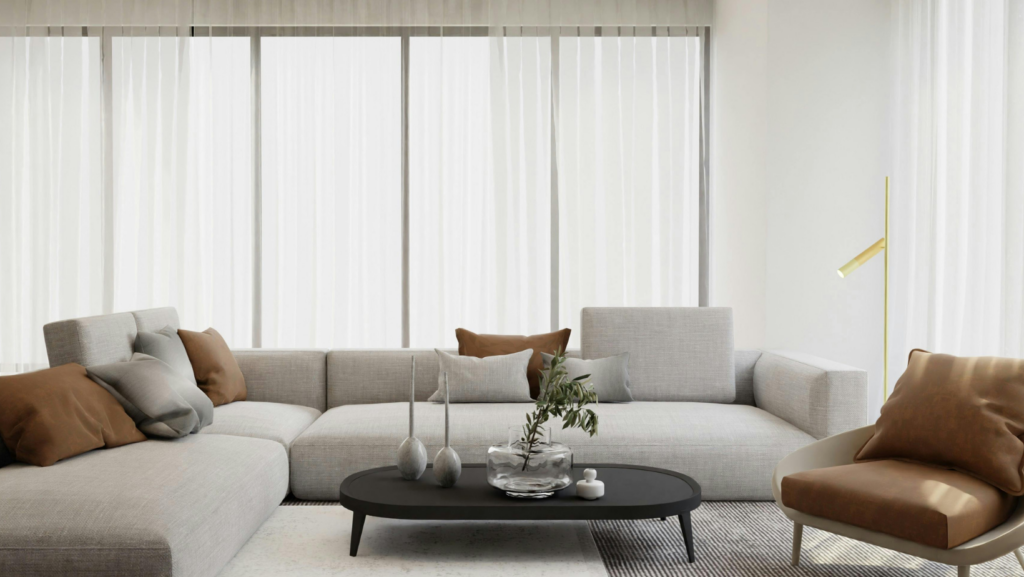

Have you ever wondered why some rooms feel incredibly luxurious, even if they weren't outrageously expensive to furnish? The secret isn't always in the price tag, but in the textures. A thoughtfully designed space can make a $500 room feel like it's worth $5,000, and the key is often the artful mix of different materials. Combining smooth and rough textures is a powerful but often overlooked trick that can instantly elevate a room and create the illusion of high-end design.
Table of Contents
ToggleThe Psychology of Sight Before Touch
Haptic perception solely focuses on using your sense of touch to detect objects. Texture is simply one of the characteristics perceived when touching something. However, there are other ways to notice different elements within the world.
One theory is that people can feel textures visually before actually touching them. Most people already have preconceived notions about certain elements. For instance, leather, velvet, wood and metal are often treated as premium materials with very unique textures. Hotel lobbies, high-end malls and other upscale facilities try to use the psychology behind this material contrast in their own interior design.
The Caveat With Texture Variety
Follow in the footsteps of elegant spaces in your own home to achieve the same sense of luxury. You can even go the extra mile and use different textures to create a cognitively stimulating home. A mix of smooth and rough surfaces can be visually and haptically pleasing.
While these elements may seem subtle at first, you can be surprised at the difference they can make. Designers might compare adding texture to seasoning in a recipe or frosting on a cake.
Granted, you can add a little too much seasoning or frosting to a dish, which can make or break the taste. Thus, it’s important to be mindful of just how much room texture you’re using.
How to Create Magic With Textures
It’s easy to overdo textures if you don’t keep a close eye on them. There are ways to mix smooth and rough textures just right.
1. Know Where to Change up Textures
Textures are found throughout your home. Here are a couple of suggestions for changing up the interior design.
2. Limit Your Textures According to the Room
Make sure you’re not adding too many textures. Focus on using three different types in your rooms to create visual depth. It's still helpful to adjust textures based on the balance between aesthetics and functionality.
For example, rooms that are meant to be more relaxing, like the living room and bedroom, could use much more texture. However, more practical spaces, such as the bathroom and kitchen, should prioritize other elements, such as light, rather than texture composition.
3. Mix and Match for Contrast
Remember to mix and match smooth and rougher textures. The material's scale can often play a role in the design, since people tend to focus on the bigger picture before the finer details. Make sure you’re creating a harmonious medley of different surfaces.
You can also incorporate other interior design elements to elevate certain textures. For example, layered textures with soft lighting can help you relax and create a calming atmosphere. Use different colors for similar surfaces to create variation.
4. Try a Photograph Test
Take black-and-white pictures of your rooms. This makes it easier to notice if your textures are leaning too smooth or too rough, or if they are concentrated in certain areas.
Be aware that harsh lighting can affect the appearance of textures in photos. It can create more reflections and shadows, so consider using additional lights to achieve a more balanced shot.
Incorporate Textures for a Luxurious Feel
Sometimes, the ambience of the room doesn’t rely on how much you spent. Instead, it’s more about the little techniques and touches that you add to it. Layer different textures and see a difference in how luxurious your home feels.