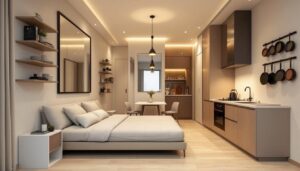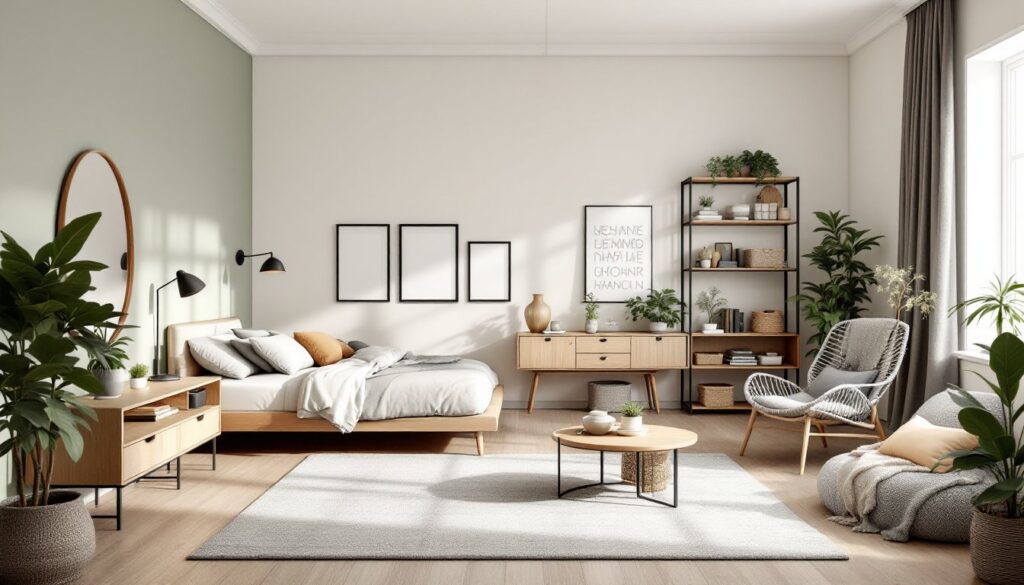

Living in a one-room apartment doesn’t mean settling for cramped or impersonal decor. The right approach to decorating a single space transforms it into a place that feels purposeful, comfortable, and distinctly yours. Whether you’re working with a studio, efficiency unit, or open-concept micro-apartment, smart design choices make all the difference. This guide walks you through practical steps to decorate one room apartment living spaces, covering everything from color and storage to furniture that earns its square footage. You’ll learn how to layer function with style, making every inch work for both daily living and genuine relaxation.
Table of Contents
ToggleKey Takeaways
- Start by measuring your space and sketching a floor plan to identify functional zones, then establish a clear mood and style vision before purchasing anything for your one-room apartment.
- Choose a cohesive color palette of 2–3 main colors paired with a consistent style theme (minimalist, bohemian, etc.) to make your small space feel intentional and visually larger.
- Invest in smart storage solutions like vertical shelving, multifunctional furniture, and labeled containers to eliminate clutter and maintain the visual spaciousness of your apartment.
- Layer your lighting with ambient, task, and accent sources to create warmth and depth—avoid relying solely on overhead lights, which can feel institutional and flat.
- Select furniture that serves multiple purposes and maintains low-profile designs with visible legs or open frames to keep sight lines clear and maximize walkable floor space.
- Personalize your space thoughtfully with plants, textiles, mirrors, gallery walls, and curated collections that reflect your personality without creating visual overwhelm.
Assess Your Space and Set a Decor Vision
Before buying a single item, measure and understand your apartment‘s actual footprint. Pull out a tape measure and note the room dimensions, ceiling height, window placement, doors, and any built-in features (closets, radiators, outlets). Sketch a rough floor plan on paper or use a smartphone app like Floorplanner. Most one-room apartments are between 300–500 square feet, and working with what you have beats fighting against your layout.
Next, identify your functional zones. In a one-room space, you’re typically juggling sleeping, living, working, and sometimes eating in the same footprint. Mark where your bed will go, where you’ll sit, and where you’ll spend working or dining hours. Knowing these zones prevents furniture from drifting haphazardly and helps you make purposeful decor choices.
Then ask yourself: What mood do I want when I walk in? Calm and minimal? Warm and layered? Creative and eclectic? Your vision informs every color, texture, and piece you choose. Jot down 3–4 adjectives that describe your ideal space, and you’ve got your north star for decorating ideas for small apartment living rooms.
Choose a Color Palette and Style Theme
Paint color sets the tone for your entire space. In small apartments, pale or medium-tone walls make the room feel larger and brighter, while dark, saturated colors add coziness but can feel confining. Most pros recommend sticking to 2–3 main wall colors: a primary color for the largest wall, and lighter companion tones for feature walls or trim.
Start with one of these strategies. A monochromatic approach uses variations of a single color, say, light gray walls, medium gray furniture, and white trim, creating calm and visual flow. A complementary scheme pairs opposites on the color wheel: warm sage walls with terracotta accents, for example. This adds energy without chaos. Avoid using more than 3–4 distinct colors in a small space: visual noise steals square footage.
But, paint isn’t permanent. Removable wallpaper, wall decals, or a single accent wall let you test a bold color before committing. Many renters find interior design for apartments guides invaluable for non-permanent improvements.
For style, choose one primary aesthetic and keep it consistent. Mid-century modern, Scandinavian minimalism, industrial-rustic, or eclectic bohemian, each lends itself differently to small spaces. Minimalist and modern styles typically open small rooms, while bohemian or maximalist approaches work best when carefully curated. Let your chosen style guide your furniture shapes, material finishes, and accessory choices.
Maximize Storage With Stylish Solutions
In a one-room apartment, clutter eats space. Every visible item makes the room feel smaller, so smart storage is non-negotiable. Start by measuring your closet and evaluating what you actually own. Donate, sell, or store seasonal items elsewhere if possible: keep only what you use and love.
Choose storage furniture that doubles as decor. A low, open bookshelf divides zones while keeping the visual line low (reducing the illusion of clutter). Storage ottomans or benches at the foot of your bed hide items while providing seating or a surface. Wall-mounted shelves above a desk or vanity add storage without stealing floor space. Vertical storage is your friend in small apartments, it uses height instead of footprint.
Containers matter. Clear, stackable bins, woven baskets, or canvas boxes keep items accessible and organized while looking intentional. Label them if needed. A coat rack or wall hooks replace the floor clutter of a standalone coat stand.
One practical note: avoid under-bed storage unless your mattress sits high enough to avoid a dusty, hard-to-access void. Shallow drawers or bins work better than cramming a large storage box under a low platform bed. When decorating a small flat, every storage choice should be visible and beautiful, because in a one-room apartment, functional usually means decorative too.
Layer Lighting for Ambiance and Function
Overhead ceiling lights alone create a flat, institutional feel. Layering multiple light sources makes a small apartment feel intentional and warm. Most interior designers recommend three types: ambient (general illumination), task (focused on work or reading), and accent (highlighting decor).
Ambient lighting comes from your ceiling fixture or recessed lights. If your apartment has only a single center ceiling fixture, consider a dimmer switch (a simple 15-minute install) or replacing the fixture with one that feels closer to your style. Avoid super bright, blue-tinted bulbs: warmer 2700K–3000K bulbs feel cozier.
Task lighting sits at your desk, bedside, or over a reading chair. A desk lamp with an articulating arm (think IKEA Hektar or similar) takes up minimal space and directs light where you need it. Bedside sconces mounted to the wall save nightstand space compared to traditional lamps. These don’t require wiring if you choose battery-operated or plug-in options.
Accent lighting comes from string lights, LED strip lights behind shelves, or small uplights. This sounds unnecessary, but it creates depth and makes a small room feel larger. A soft warm glow from a bookshelf or behind your bed adds texture that flat overhead light can’t match.
For renters, plug-in solutions rule. A smart bulb in a cheap fixture (swappable before you move) adjusts color temperature throughout the day, supporting your mood and productivity without any wiring.
Select Furniture That Works Harder for You
Every piece in a one-room apartment must justify its presence. Oversized sectionals and massive dressers don’t belong here, instead, look for pieces that serve multiple purposes and keep sightlines clear.
Multifunctional furniture is essential. A murphy bed or wall bed creates living space during the day. A console table behind your sofa (or against a wall) provides storage and work surface without eating floor space. A compact dining table that extends or nests, like those from West Elm or IKEA, accommodates guests but doesn’t dominate the room. Ottoman coffee tables offer seating, storage, and a surface in one footprint.
Scale matters. Low-profile furniture (under 36 inches tall) visually opens a room. A sleek platform bed or low dresser feels less imposing than traditional frame beds or tall chests. If you need a nightstand, a floating wall shelf saves legroom and looks modern. Leggy furniture (tables, chairs, beds on thin legs rather than solid bases) creates sight lines under pieces, making the room feel less crowded.
Materials make a difference too. Wood and metal feel lighter than heavy upholstery. A simple wood-and-steel bookshelf looks less bulky than an oversized upholstered storage cabinet. Light finishes (natural wood, white, gray) feel more open than dark, heavy pieces.
When budgeting, sites like Young House Love and Addicted 2 Decorating offer budget-friendly furniture and DIY hacks for small spaces. Thrift stores, Facebook Marketplace, and IKEA provide affordable starting points, you’re not locked into one store or style.
Add Personality With Thoughtful Finishing Touches
After the bones are in place (color, storage, lighting, furniture), personality comes through small details. Plants are the quickest win: a few green companions soften hard edges and improve air quality. Trailing plants (like pothos) on shelves or hanging planters save floor space while adding life.
Textiles add warmth without much square footage. A throw blanket draped over your sofa, a layered bedding setup with varied textures, or a rug that defines your living zone all say “lived in” without clutter. Choose 2–3 colors that complement your walls: mismatched patterns overwhelm small spaces, but 2 subtle patterns (like a striped throw with a geometric rug) create interest.
Art and mirrors work hard in compact apartments. A large mirror reflects light and creates a sense of depth, position it opposite a window to bounce natural light. Gallery walls above your sofa or bed add personality without sprawling across furniture. Keep frames uniform (all black, all natural wood, or all thin white) for a cohesive look that doesn’t feel chaotic.
Personal objects tell your story. A few books on a shelf, a collection of small ceramics, or photos of people you love remind you daily that this space is genuinely yours. The key: curate instead of accumulate. A single favorite piece displayed thoughtfully beats a shelf packed with tchotchkes. Resources like Decoist showcase modern approaches to displaying collections without visual chaos.
Final detail: scent. A subtle room spray, diffuser, or the smell of fresh coffee or baked goods makes a space feel welcoming in seconds. This costs almost nothing but changes how you feel when you enter.
Conclusion
Decorating a one-room apartment is a constraint that forces intentional choices. Every color, piece of furniture, and finishing touch works harder, so your space ends up more cohesive and livable than many larger homes. Start by measuring and assessing your actual space, then anchor decisions in a clear color palette and style theme. Layer in smart storage, varied lighting, and multipurpose furniture that respects your square footage. Finish with personal touches that make the space unmistakably yours. Small apartments aren’t limitations, they’re opportunities to design a place that’s genuinely tailored to how you actually live.