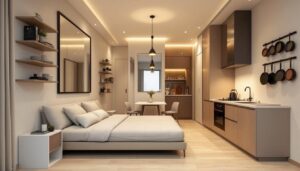

Living in a dorm room or student apartment is a balancing act between limited square footage, tight budgets, and the need for a space that actually works. Students need zones for late-night study sessions, somewhere decent to sleep, and maybe a corner where friends can hang out without everyone sitting on the bed. University interior design isn’t about Pinterest-perfect aesthetics, it’s about making a small, often oddly shaped rental feel functional, personal, and livable for the academic year ahead. The right furniture layout, lighting choices, and storage hacks can turn a cramped box into a space that supports both productivity and downtime.
Table of Contents
ToggleKey Takeaways
- University interior design prioritizes flexible, multi-functional furniture and reversible upgrades over permanent investments, since dorm leases typically last 9–12 months and restrict alterations like painting or nailing.
- Loft your bed to create underbed workspace, use vertical storage with wall-mounted shelves and over-the-door organizers, and arrange furniture to maximize open floor space in small 10×15 foot dorm rooms.
- Layer three types of lighting—task (daylight LED for focus), ambient (warm floor lamps for relaxation), and accent (LED strips for screen time)—to replace harsh overhead fluorescents and improve both productivity and mood.
- Create distinct functional zones for study, sleep, and socializing using visual dividers like bookcases or curtains, which help your brain shift between work and relaxation without requiring structural changes.
- DIY decor using contact paper, peel-and-stick wallpaper, fabric hangings, and cinder block shelving can personalize your space for under $50 while remaining landlord-friendly and fully reversible at move-out.
- Smart storage solutions like underbed rolling bins, closet organizers with double hanging rods, and behind-the-door shoe organizers keep clutter hidden and maintain a functional living area in tight rental spaces.
What Makes University Interior Design Unique?
University spaces operate under constraints that typical home design doesn’t face. Most dorms and student apartments come with non-negotiable elements: fixed furniture, shared bathrooms, cinder block walls, fluorescent overhead lighting, and landlord restrictions on paint, nails, or adhesives. Leases are short, usually nine to twelve months, so any upgrades need to be temporary and reversible.
Space is the biggest challenge. A standard dorm room runs 10×12 feet to 12×15 feet, housing one or two people plus all their belongings. There’s rarely a separate living area, kitchen access may be communal, and closets are often shallow or nonexistent. Every piece of furniture has to earn its place by serving multiple functions.
Unlike permanent homes, university interiors need to adapt quickly. Students shift between deep focus work, sleep schedules that vary wildly, and social gatherings that pop up with little notice. The design has to support all three modes without requiring a full room reset. That means furniture that moves easily, lighting with multiple settings, and storage that keeps clutter from swallowing the room. Successful design for student spaces prioritizes flexibility and portability over long-term investment pieces.
Essential Furniture and Layout Strategies for Small Dorm Rooms
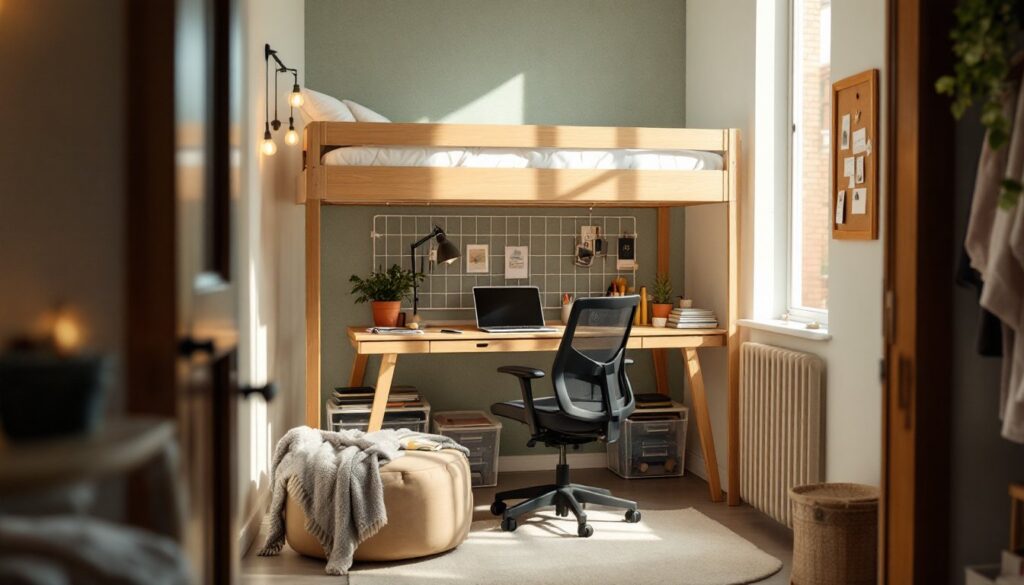
Start with the bed. If the room allows, loft the bed frame to create usable space underneath for a desk, seating, or storage bins. Most university-issued beds can be raised using bed risers or adjustable posts, check the frame specs and add 6 to 12 inches of clearance for underbed storage. If lofting isn’t an option, a twin XL bed with a storage headboard keeps books and charging cables within reach without taking floor space.
Desks should sit near the best natural light source, typically the window. A 24-inch-deep desk is the minimum for a laptop and notebooks: 30 inches gives room for a monitor or reading lamp. If the room includes a built-in desk that’s awkwardly placed, use a small folding table or lap desk as a mobile workspace instead. Pair the desk with an ergonomic chair, dorm-provided seating is often brutal for long study sessions. A used office chair with lumbar support beats a wooden chair every time.
Layout tricks for tight spaces:
- Place the longest furniture piece (usually the bed) along the longest wall to maximize open floor area.
- Use vertical space. Wall-mounted shelves, over-the-door organizers, and hanging shoe racks keep items off surfaces.
- Create a “floating” furniture arrangement by pulling pieces a few inches from the wall. It makes the room feel less cramped and allows cords to run behind furniture.
- Avoid blocking the door swing or the path to the closet. A clear traffic lane prevents the space from feeling claustrophobic.
Multi-functional furniture is key. A storage ottoman serves as seating, a footrest, and hidden storage for blankets or shoes. A folding chair stashed in the closet handles extra guests without living in the middle of the room. Many students apply interior design strategies that prioritize adaptable layouts to keep the room from feeling locked into one configuration.
Color Schemes and Lighting That Boost Focus and Mood
Most dorms come with white or beige walls and cold overhead lighting, neither of which supports concentration or relaxation. Since paint is usually off-limits, use removable peel-and-stick wallpaper or large fabric tapestries to add color without damaging walls. Stick to muted blues, greens, or warm neutrals for the main visual backdrop. These tones reduce visual noise and help the brain shift between work mode and downtime.
Avoid overly bright or high-contrast patterns in the main living area. A bold accent wall behind the bed is fine, but covering every surface in busy prints makes a small room feel chaotic. If the lease allows command strips or adhesive hooks, hang lightweight artwork or a pegboard painted in a cohesive color to tie the room together.
Lighting makes or breaks a study space. Overhead fluorescents cast harsh, uneven light that causes eye strain and headaches. Replace or supplement with three types of lighting:
- Task lighting: A desk lamp with an adjustable arm and a daylight LED bulb (5000K to 6500K) mimics natural light and improves focus during reading or screen work.
- Ambient lighting: String lights, a floor lamp with a fabric shade, or a corner lamp with a warm white bulb (2700K to 3000K) softens the room for evenings and social time.
- Accent lighting: LED strip lights behind a monitor or under a lofted bed add indirect light and reduce eye strain when using screens in the dark.
Use dimmers or smart bulbs if the space allows. Being able to adjust light intensity throughout the day helps regulate circadian rhythm, brighter light in the morning and during study hours, softer light in the evening. Students looking to refine their approach often explore interior design techniques that balance natural and artificial light sources to create layered, adaptable environments.
Smart Storage Solutions to Maximize Limited Space
Clutter kills productivity and makes a small room feel even smaller. The goal is to keep everyday items accessible while hiding the rest. Start by sorting belongings into three categories: daily use, occasional use, and storage until next semester. Only daily-use items should live on open surfaces.
Underbed storage is the most underutilized space in a dorm. Use rolling plastic bins or fabric drawers to store off-season clothing, extra bedding, or bulky textbooks. Bins with lids keep dust out and stack more securely. Measure the clearance under the bed before buying, most standard bins are 6 inches tall, but some lofted beds can fit 12-inch bins or even small dressers.
Vertical storage keeps floors clear. Install a tension rod in a corner to hang scarves, hats, or bags. Over-the-door hooks hold backpacks, jackets, and towels without drilling. A wall-mounted grid panel or pegboard can organize school supplies, keys, and charging cables, everything stays visible and within reach. Adhesive cable clips routed along the desk edge keep cords from tangling on the floor.
Closet organizers double usable space. Add a second hanging rod below the existing one for shirts and pants. Use slim velvet hangers instead of bulky plastic ones to fit more clothing per linear foot. Hanging shelves or fabric cubbies store shoes, folded sweaters, or accessories without requiring additional furniture. For rooms without a proper closet, a freestanding garment rack with a bottom shelf serves the same purpose.
Don’t overlook behind-the-door space. A hanging shoe organizer holds more than shoes, it’s great for toiletries, snacks, cleaning supplies, or craft materials. A magnetic board mounted on a metal door keeps notes, photos, and reminders off the desk. Many successful student setups rely on practical interior design ideas that prioritize hidden storage and vertical organization to maintain a clean, usable living area.
Budget-Friendly DIY Decor Ideas for Student Apartments
University budgets don’t leave much room for expensive decor, but a few inexpensive DIY projects can personalize a space without eating into the textbook fund. Start with contact paper or peel-and-stick tiles to refresh tired surfaces. Cover a dorm-issued desk or dresser top with faux marble or wood-grain contact paper for an instant upgrade. The material costs around $10 to $15 per roll at most home improvement stores and peels off cleanly at move-out.
Create a photo wall or string display using twine, small clothespins, and command hooks. Print favorite photos at a drugstore (usually under $0.25 each) or use postcards and magazine clippings. The display adds personality and can be updated throughout the year without committing to a permanent gallery wall.
Fabric is a versatile, low-cost material. A lightweight throw blanket draped over a futon or chair adds color and texture. Flat sheets in bold patterns work as makeshift curtains, wall hangings, or even headboard covers. Use a tension rod or adhesive hooks to hang fabric, no sewing or hardware required. Thrift stores and discount retailers often sell large fabric pieces for under $10.
DIY shelving doesn’t require power tools. Stack cinder blocks or sturdy wooden crates to build modular shelves that fit any wall length. Paint or stain the wood for a more finished look, or leave it raw for an industrial vibe. Add a few potted plants (pothos, snake plants, or succulents) on the shelves, they improve air quality and bring life to sterile dorm rooms. Just make sure the plants get enough light or opt for low-maintenance varieties.
Cork boards and bulletin boards create functional decor. Frame a large cork sheet with trim or washi tape, then use it to pin class schedules, event tickets, or inspiration images. It keeps paper clutter off the desk while adding visual interest. Students aiming for a cohesive look often reference how to interior design guides to tie DIY elements into a unified theme without overspending.
Creating Functional Zones for Study, Sleep, and Socializing
Even in a single-room dorm, defining separate zones helps the brain shift between activities. Visual dividers signal the purpose of each area without requiring walls. Use a bookshelf, a folding screen, or a curtain to separate the bed from the desk. The division doesn’t need to be floor-to-ceiling, even a partial barrier creates psychological separation.
The study zone should feel distinct from relaxation areas. Keep it minimal: desk, chair, task lighting, and only the supplies needed for current projects. Clear the desk at the end of each day to reset the space. If the desk faces the bed or TV, it’s harder to focus, reorient the desk toward a blank wall or window. Add a small plant or a single piece of art to keep the space from feeling sterile, but avoid clutter that competes for attention.
The sleep zone needs to block light and reduce stimulation. Blackout curtains or a sleep mask help if the roommate keeps different hours. Keep electronics out of the bed, charge phones across the room to avoid late-night scrolling. If the bed doubles as seating during the day, use a daybed-style setup with throw pillows that come off at night. A folded blanket at the foot of the bed creates a clear boundary between sitting and sleeping.
The social zone is wherever friends naturally gather, usually near the door or around a small seating area. A floor pouf, folding chairs, or even large floor cushions provide extra seating without taking up space when not in use. Keep a small side table or tray nearby for drinks and snacks. If the room layout doesn’t support a separate social area, the bed can serve double duty, just use a bed scarf or extra pillows to make it feel more like a couch during hangouts.
Noise control matters in shared spaces. A white noise machine or a small fan masks hallway noise and helps define the room as a separate environment. Rugs absorb sound and make hard floors more comfortable, check with housing rules, as some dorms restrict rugs for fire safety. Exploring real-world university design examples can offer inspiration for efficient zoning in compact spaces. Students can also draw from current design trends to shape zones that feel modern and functional without requiring major renovation.
Conclusion
University interior design is about making a temporary, often awkward space work hard for the people living in it. The best setups prioritize function over style, use every inch of available space, and stay flexible enough to adapt as the semester evolves. With smart furniture choices, layered lighting, and a few DIY touches, even the smallest dorm room can support focused study, restful sleep, and a social life that doesn’t require sitting on the floor.