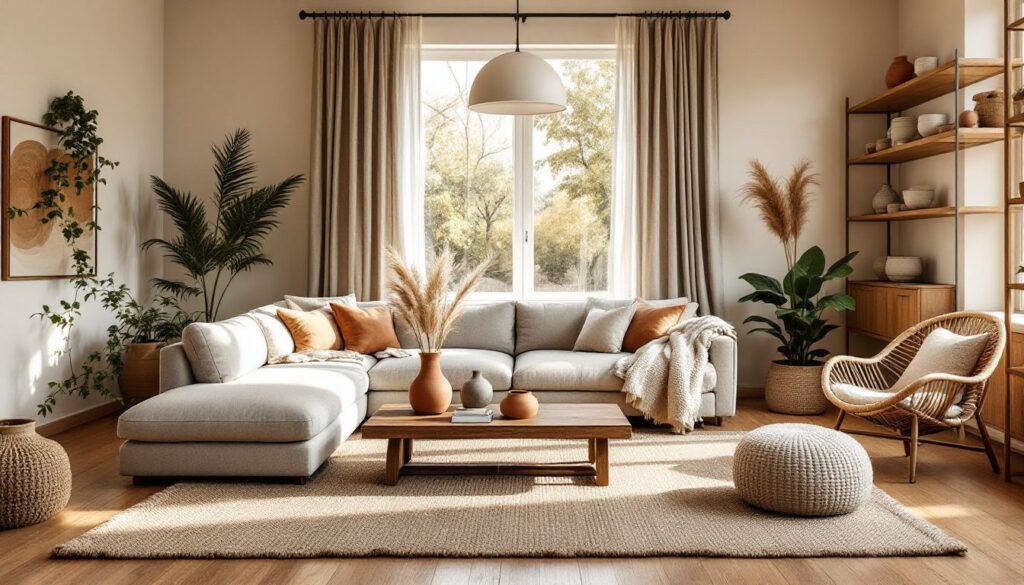

Natural earthy interior design strips away the noise. It roots a home in materials that age well, colors pulled from soil and stone, and textures that feel like they belong. This isn’t about buying into a trend, it’s about building spaces that settle the nerves and anchor daily life in something tangible. In 2026, homeowners are pulling back from sterile minimalism and leaning into warmth, weight, and honest materials. The result? Rooms that don’t just look good in photos but actually feel good to live in. This guide walks through the core principles, room-by-room applications, and hands-on projects that bring earthy design into reach.
Table of Contents
ToggleKey Takeaways
- Natural earthy interior design prioritizes organic materials like solid wood, stone, and textiles that age gracefully and add authentic character to living spaces.
- Earth-toned color palettes—including terracotta, sage, charcoal, and warm neutrals—create calming backdrops that shift beautifully throughout the day with natural light.
- Layering textures through combinations of hard and soft materials (leather sofas with wool rugs, rough wood tables with linen napkins) creates richness without clutter in earthy interiors.
- Room-specific applications of earthy design—from open wood shelving in kitchens to linen bedding and live-edge wood tables in dining areas—make the style practical for everyday living.
- DIY projects like lime-washed walls, jute-wrapped planters, and reclaimed wood wainscoting allow homeowners to implement earthy design affordably without requiring full renovations.
- Imperfections such as wood grain variations, patina on brass hardware, and scuffs add character in earthy design rather than detract, reducing maintenance stress while supporting sustainable practices.
What Is Natural Earthy Interior Design?
Natural earthy interior design centers on organic materials, muted tones, and unadorned surfaces. It’s the opposite of synthetic finishes and high-gloss everything. Think exposed wood beams, linen curtains, terracotta pots, jute rugs, and walls in shades of clay, sand, or moss.
The style borrows from Japanese wabi-sabi, Scandinavian hygge, and Mediterranean rusticity, but it doesn’t require a specific geography or aesthetic rulebook. What ties it together is a preference for materials that come from the ground, stone, wood, clay, wool, cotton, and a color palette that mirrors the outdoors.
This approach works especially well in homes where natural light varies throughout the day. Earthy tones shift with the sun, creating depth without pattern or ornament. It’s low-maintenance in the sense that imperfections, scuffs on a wood floor, patina on brass hardware, add character rather than detract from it. The style also aligns with sustainable building practices, since many natural materials have lower embodied energy than synthetics and can be sourced locally or reclaimed.
Key Elements of Earthy Interior Design
Natural Materials and Textures
Earthy interiors rely on materials you can identify by touch. Solid wood, not veneer, shows grain, knots, and color variation. Stone countertops in honed or leathered finishes (rather than polished) emphasize texture over shine. Plaster walls or lime wash finishes add depth that flat paint can’t match.
Textiles matter just as much. Linen, cotton, wool, and jute bring softness without synthetic sheen. A chunky wool throw or a jute area rug introduces tactile variety. Avoid polyester blends that photograph well but feel slick or static-prone.
Layering is key. Pair a rough-sawn oak dining table with linen napkins and stoneware plates. Combine a leather sofa with a wool rug and cotton cushions. The mix of hard and soft, coarse and smooth, creates richness without clutter.
Rattan and wicker work well for chairs, baskets, and light fixtures. Both are renewable, lightweight, and age gracefully. Just make sure any rattan furniture is built with solid joinery, cheap stapled frames won’t hold up.
Avoid particle board, laminate, and anything marketed as “wood-look.” If budget is tight, prioritize real materials in high-touch areas (dining table, bed frame) and save engineered products for hidden structure.
Earth-Toned Color Palettes
Earth tones don’t mean beige monotony. The palette includes terracotta, ochre, sage, charcoal, warm white, clay, rust, olive, and taupe. These colors ground a space and pair well with natural light.
Walls in warm neutrals, Sherwin-Williams Accessible Beige or Benjamin Moore Revere Pewter, create a backdrop that doesn’t compete with furniture or art. For accent walls, consider terracotta or deep olive, both of which add warmth without overwhelming a room.
Woodwork and trim benefit from off-white or greige rather than stark white, which can look cold against earthy tones. If the home has oak or walnut floors, a warm white like Benjamin Moore White Dove complements the yellow or red undertones.
Textiles and decor can introduce deeper hues, burnt sienna, forest green, or charcoal, without requiring a full repaint. A rust-colored linen duvet or olive velvet cushions shift the mood while keeping the palette cohesive.
Test paint samples in the actual room, on multiple walls, and view them in morning, afternoon, and evening light. Earth tones shift more than neutrals, and what looks perfect at noon might read too orange at sunset.
How to Bring Natural Earthy Design into Every Room
Living Room: Start with a solid wood coffee table, reclaimed oak or walnut works well. Swap synthetic rugs for wool or jute, which handle traffic and add warmth underfoot. Use linen or cotton slipcovers on sofas, which can be washed and re-dyed as needed. Incorporate ceramic or stoneware vases and avoid plastic or acrylic accessories.
Kitchen: Replace upper cabinets with open wood shelving if the layout allows. Display stoneware dishes and glass jars for dry goods. Choose butcher block countertops or honed granite over glossy quartz. Swap out chrome or brushed nickel hardware for unlacquered brass or matte black iron, which develop patina over time. If cabinetry is outdated, a coat of milk paint in sage or charcoal can transform the space without a full remodel.
Bedroom: Opt for linen or organic cotton bedding in neutral tones. A reclaimed wood headboard or rattan bed frame anchors the room without overwhelming it. Replace overhead lighting with pendant lights made from natural fiber or ceramic. Keep nightstands simple, solid wood with minimal hardware. Plants in terracotta pots add life without pattern or clutter. Many interior design ideas emphasize layering textures, which works especially well in bedrooms where comfort is the priority.
Bathroom: Install stone or ceramic tile in matte finishes, skip the high-gloss subway tile. A teak bath mat or cotton waffle-weave towels introduce texture. Replace plastic shower curtains with linen or hemp fabric. Swap plastic soap dispensers for ceramic or glass alternatives. If the vanity is laminate, consider replacing it with a floating wood shelf and a vessel sink, just make sure it’s mounted to studs and rated for the load. Design enthusiasts often turn to Hunker for bathroom material guides and finish comparisons.
Dining Room: A solid wood table in a live-edge or farmhouse style sets the tone. Pair it with rush-seat chairs or Windsor-style wood seating. Replace metal chandeliers with ceramic or rattan pendants. Use linen tablecloths and stoneware plates for everyday meals. If the floor is laminate or vinyl, an area rug in wool or sisal softens the space and conceals the synthetic surface.
DIY Projects to Enhance Your Earthy Interior
Build a Live-Edge Shelf: Source a live-edge wood slab (walnut, oak, or maple) from a local sawmill or salvage yard. Sand it with 80-grit, then 120-grit, then 220-grit sandpaper. Seal with tung oil or Danish oil, both enhance grain without adding plastic sheen. Mount to wall studs using heavy-duty steel brackets rated for the weight. A 6-foot slab of walnut can weigh 40+ pounds, so don’t skimp on fasteners.
Apply Lime Wash to Walls: Lime wash creates a matte, chalky finish with subtle color variation. Mix lime wash powder with water per the manufacturer’s ratio (typically 1:1). Apply with a natural bristle brush in cross-hatch strokes. Let it dry, then buff with a damp sponge to even out the texture. Lime wash is breathable, antimicrobial, and works especially well in bathrooms or kitchens. It won’t hide imperfections, patched drywall or uneven surfaces will show through, so prep carefully. Wear gloves and goggles: lime is caustic.
Craft a Jute-Wrapped Planter: Take a terracotta pot (any size) and secure the end of a jute rope with hot glue. Wrap the rope tightly around the pot, gluing every few inches. Trim and secure the end. This adds texture and hides mismatched or chipped pots. Use outdoor-grade jute if the planter will sit on a porch or patio.
Install Reclaimed Wood Wainscoting: Source reclaimed barn wood or pallet boards (make sure they’re heat-treated, not chemically treated, look for the HT stamp). Rip boards to uniform width (4-6 inches) on a table saw. Sand lightly to remove splinters but preserve character. Attach boards vertically to wall studs using finishing nails and a brad nailer. Run a 1×4 cap rail along the top. Seal with clear matte polyurethane or leave raw for a drier look. This works especially well in entryways or dining rooms and pairs naturally with top interior design approaches that emphasize texture and history.
Make a Wool Macramé Wall Hanging: Use 100% wool cord (not acrylic) in a natural cream or taupe. Tie basic macramé knots, square knots and half-hitch work for most patterns, onto a wood dowel or driftwood branch. Tutorials are widely available, but the key is using natural fiber. Wool has weight and drape that synthetics can’t match. Hang it above a bed, sofa, or console table. Trim ends with sharp scissors for a clean finish.
These projects require basic tools, circular saw or hand saw, drill, sander, measuring tape, level, and an afternoon of focused work. None require permits, but wainscoting and shelving must hit studs for safe installation. Use a stud finder and double-check measurements before drilling.
Conclusion
Natural earthy interior design isn’t about perfection. It’s about choosing materials that wear well, colors that calm rather than stimulate, and textures that invite touch. The best spaces feel lived-in from day one and only improve with age. Start with one room, swap out a few key materials, and see how the shift in tone changes the daily rhythm of the home.