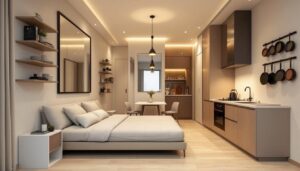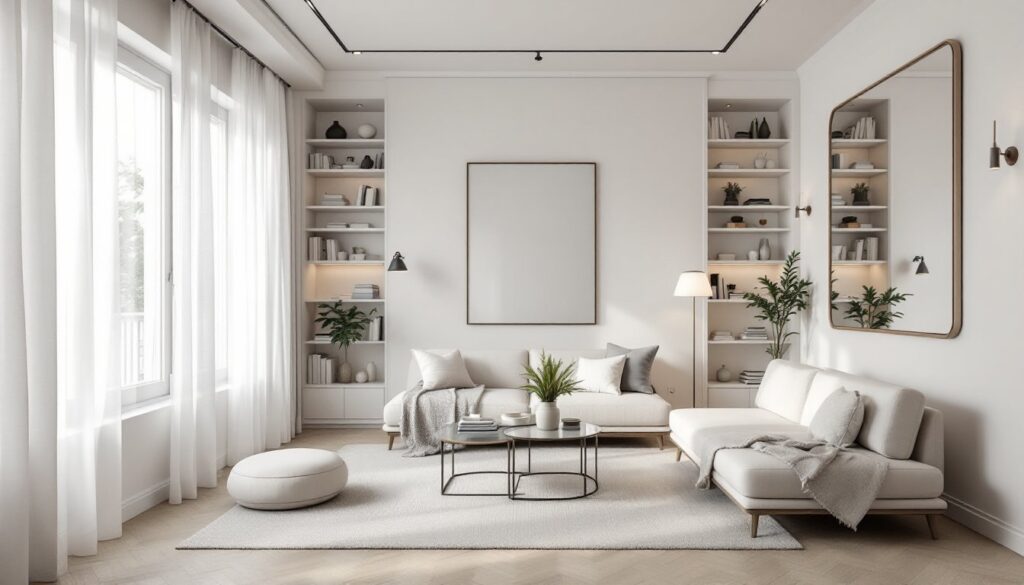

A cramped living room doesn’t have to feel cramped. Whether you’re dealing with 150 square feet or less, the right design choices transform even the tiniest apartment living room into a space that feels open, functional, and genuinely livable. The key isn’t adding more, it’s being smarter about what you keep and how you arrange it. By layering multi-functional pieces, stealing vertical space, and using optical tricks like mirrors and light colors, you’ll stretch your square footage without knocking down walls or calling a contractor. These nine practical strategies work whether you’re furnishing from scratch or reimagining what you’ve already got.
Table of Contents
ToggleKey Takeaways
- Multi-functional furniture like storage ottomans, lift-top coffee tables, and sofa beds maximize utility while minimizing the footprint of your small living room.
- Vertical storage through tall bookcases, wall-mounted shelves, and overhead cabinets frees up floor space and makes apartments feel larger without sacrificing functionality.
- Light colors, mirrors, and reflective finishes bounce natural light around the room, creating the optical illusion of more space in small living room designs.
- Layer multiple light sources at different heights—ceiling fixtures, wall sconces, and floor lamps—to eliminate shadows and add depth to cramped spaces.
- A minimal, neutral color palette with one accent wall and intentional décor pieces reduces visual clutter and prevents small living rooms from feeling cramped.
- Define multi-purpose zones using rugs, furniture arrangement, and open shelving rather than walls, allowing your apartment living room to serve as lounge, workspace, and dining area simultaneously.
Choose Multi-Functional Furniture To Save Space
Buying one piece of furniture that does three jobs beats buying three pieces that each do one. A storage ottoman serves as seating, a footrest, and hidden storage for blankets, games, or remotes in one compact footprint. A lift-top coffee table converts into a work desk and hides clutter underneath, essential if your living room doubles as a home office.
Consider a sofa bed or daybed if you host overnight guests: your living room becomes a guest room without eating up extra square footage. Nesting tables and stackable stools add extra surfaces when you need them, then nest or stack compactly when you don’t.
Wall-mounted, fold-down desks tuck away after work, reclaiming floor area instantly. Foldable chairs store in a closet or under a shelf. Look for modular or transformable pieces, they adjust to different activities and room layouts as your needs shift. The test: does this piece earn its footprint by doing more than one job? If not, it doesn’t belong in a small room.
Use Vertical Space And Smart Storage Solutions
Your walls are free real estate. Tall bookcases and shelving units add storage while using minimal floor space: they hold books, décor, plants, and bins without sprawling sideways. Wall-mounted shelves above sofas, doors, or TVs claim dead space most people ignore.
High cabinets or overhead storage near the ceiling store infrequently used items, seasonal decor, board games, extra linens, keeping them accessible but out of sight. Furniture with built-in storage such as TV units, benches, and sideboards reduces the need for extra pieces. A console table with shelves or drawers works as an entryway organizer and reduces clutter.
The golden rule: if you can store it vertically instead of horizontally, you’ve freed up floor space and made the room feel larger. Every shelf, hook, and wall-mounted piece is storage that doesn’t demand floor real estate. Focus on furniture with closed storage (drawers, cabinets) to hide visual clutter and maintain a clean sightline.
Optimize Lighting For A Brighter, Larger Feel
A brightly lit room feels bigger. Maximize natural light by using sheer curtains or blinds that fully stack away from windows, so sunlight floods in unobstructed. Keep window sills clear or minimally decorated, every object interrupts light and steals visual space.
Use reflective finishes, glass, metal, light paint, to bounce natural light around the room. A light, neutral wall color (whites, creams, light grays, soft beiges) reflects more light and makes walls feel less confining. Even one accent wall in a warm white opens up the room compared to darker colors.
Layer Your Lighting With Multiple Sources
Don’t rely on one overhead fixture. Combine ambient lighting (ceiling or track lights), task lighting (floor or desk lamps near seating or a workspace), and accent lighting (wall sconces, LED strips behind shelving). Wall-mounted or plug-in sconces save floor space compared with traditional table lamps, they free your end tables for functional items.
Position lamps in darker corners to visually expand the room and eliminate shadows that make spaces feel tighter. Three light sources at different heights (ceiling, mid-level sconces, and floor lamps) create depth and make the room feel intentionally lit rather than small. Layer lighting by dimming overhead lights and relying on task and accent lights in the evening: it’s cozier and uses your room’s visual space more efficiently.
Select A Light Color Palette And Minimal Decor
Color and clutter are the enemies of space. Light, neutral wall colors reflect more light and make walls visually recede, meaning they feel further away, and the room feels deeper. Pair white or cream walls with one accent color in a soft tone (pale blue, warm taupe, soft sage) rather than bold jewel tones that visually shrink rooms.
Minimalism isn’t cold, it’s intentional. Keep decorative pieces to a few, high-impact items rather than filling every surface. One large art piece above the sofa beats six small framed photos scattered on the walls: it anchors the room and feels curated rather than cluttered.
Large, simple rugs reduce visual noise and define the seating area. Streamlined furniture with clean lines, no ornate details or busy patterns, maintains breathing room. Limit patterns to one or two neutral textiles (a plaid throw, a woven pouf) and stick to solids elsewhere. Every item you keep should either store something, seat someone, or genuinely make you happy. Everything else is stealing visual space from your small living room.
Create The Illusion Of Space With Mirrors And Glass
Mirrors are the cheap magician’s trick for small rooms. A large mirror opposite or adjacent to a window reflects daylight and views, making the room feel deeper and brighter. It doesn’t need to be a standalone mirror, a mirrored accent wall behind a sofa creates the illusion of another room beyond. Mirrored furniture or décor (trays, side tables) subtly increases reflected light without screaming “mirror.”
Glass and acrylic furniture maintain sightlines and make floor areas appear larger. A glass coffee table lets you see the floor and space beyond it: a solid wood table visually anchors the room and makes it feel smaller. Glass or acrylic side tables have the same effect, they’re functional without blocking views.
Place a tall mirror diagonally in a corner to “bounce” the room and add depth. Lean a mirror against a wall instead of hanging it: it’s a design move that works in apartments without permanent installation and catches light from different angles throughout the day.
Define Zones Without Building Walls
Many small apartments demand that the living room pull double or triple duty, it’s a lounge, a workspace, maybe a dining area. You can’t build walls, but you can define zones without them.
Use rugs to visually separate a seating area from a workspace or dining nook. A good-sized rug anchors furniture and tells the eye, “This is one zone.” A second smaller rug marks a different area. Arrange furniture to suggest boundaries, a sofa back marks the edge of a “living” zone: a desk tucked into a corner creates a “work” zone.
Low open shelving units or consoles act as room dividers while keeping light and views open, unlike a wall, you can see through or over them. A sliding panel, curtain, or folding screen provides temporary separation without permanent fixtures. When you need the full space, it folds away. This approach lets small apartment living rooms flex with your needs while maintaining openness and flow.