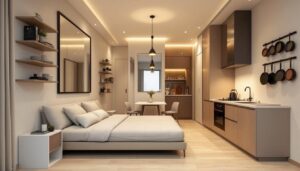

Living in a small flat doesn’t require settling for cramped, uncomfortable spaces or boring décor. The right approach to decorating a small apartment combines smart planning, intentional furniture choices, and design strategies that make every square inch count. Whether you’re working with a studio, a one-bedroom, or a compact living area, the key is understanding how to layer visual interest while keeping the space functional and uncluttered. This guide walks through practical steps to transform your small flat into a stylish, livable home, no expensive renovations required.
Table of Contents
ToggleKey Takeaways
- Plan before you purchase by measuring your small flat, sketching the floor plan, and identifying natural light sources and traffic flow to ensure functional furniture placement.
- Use a cohesive light neutral color palette paired with textured fabrics and layered lighting (ambient, task, and accent) to expand the perceived space and create multiple moods.
- Choose multi-functional furniture with exposed legs and glass or light frames rather than heavy pieces, ensuring each item serves multiple purposes in your small apartment.
- Maximize vertical space with wall-mounted shelving, floating shelves, and tall bookcases to store and display items without consuming limited floor space.
- Edit decoration ruthlessly by displaying curated collections intentionally on dedicated shelves rather than spreading items throughout the room, and use one large statement piece instead of multiple small ones to avoid visual clutter.
Understand Your Space and Set Clear Design Goals
Start by measuring your flat and mapping out furniture placement before you buy anything. Sketch the floor plan on paper, including doorways, windows, outlets, and any fixed features like radiators or built-in cabinets. Note the natural light source and direction, this affects how colors will read throughout the day.
Next, decide what your space needs to do. Does it need to accommodate work-from-home setup, guest sleeping, or mostly just day-to-day living? Your priorities shape everything else. A flat that doubles as a home office needs different zoning than one focused on entertaining. Be honest about how you actually live, not how you think you should live. Small spaces require intentional trade-offs, you can’t have everything, so choose what matters most.
Consider traffic flow too. How do people move through the space? Blocking the natural path to your kitchen or bathroom with furniture creates friction and makes the room feel cramped. Clear sightlines and open pathways make small rooms feel bigger and more livable.
Choose a Cohesive Color Palette and Lighting Strategy
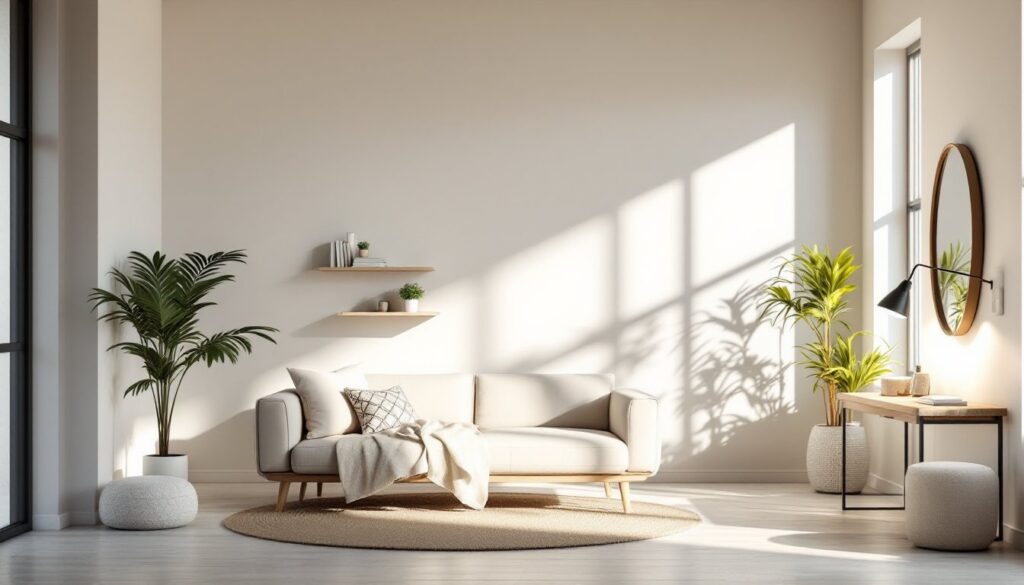
Color is one of the most powerful tools for small spaces. A light, neutral base, think soft whites, pale grays, or warm beige, expands the perceived space by reflecting light and reducing visual clutter. Paint all walls the same color: accent walls that break up the space make small rooms feel more divided and chopped up.
That said, using one neutral doesn’t mean boring. Layer in texture through fabrics, wood finishes, and materials. A cream wall becomes interesting when paired with linen curtains, a jute rug, and a weathered wood shelf. You’re creating depth and warmth without adding visual chaos.
Lighting deserves as much attention as paint. Overhead fixtures alone create flat, unflattering light in small spaces. Use a mix: ambient ceiling light for general brightness, task lighting (a desk lamp, bedside lamp) for function, and accent lighting (a floor lamp in the corner) to create coziness. Layer these sources on separate switches or dimmers so you can adjust brightness for different times of day. This approach makes a studio feel like multiple rooms by shifting the mood with light.
Invest in Multi-Functional and Space-Saving Furniture
Every piece of furniture in a small flat should earn its keep. That doesn’t mean everything needs a hidden compartment, but it does mean choosing items that do more than one job. A sturdy ottoman with storage inside provides seating, a footrest, and a place to stash blankets or magazines. A console table behind a sofa can serve as a desk or bar. A bed with drawers underneath replaces a separate dresser.
Wall-mounted desks, fold-down tables, and nesting tables are practical options for multipurpose living. When working on decorating ideas for small apartment living rooms, prioritize pieces scaled to the room, an oversized sectional that fills the space wall-to-wall makes a small living room feel suffocating, not cozy. Test proportions by measuring furniture against your floor plan.
Choose furniture with legs rather than skirted bases. Exposed legs create visual lightness and make it easier to clean underneath. Glass, metal, or light wood frames feel less heavy than solid upholstered pieces. You’re not eliminating comfort, you’re choosing designs that don’t visually anchor the room to the floor.
Use Vertical Space and Smart Storage Solutions
Small flats are defined by limited floor space, so grow upward. Your walls are unused real estate that transforms both storage and décor. A bedroom with narrow floor space still has four full walls of vertical opportunity.
Wall Shelving and Built-In Storage
Wall shelves provide storage and display simultaneously. Floating shelves mounted on studs (locate with a stud finder before drilling) hold books, plants, and décor without consuming floor space. Stagger shelf heights rather than aligning them in a grid, this creates visual interest and uses awkward wall areas. For shelving that supports books and heavier items, use a shelf bracket rated for the load and mount into studs every 16 inches for standard wall framing.
Built-in shelving around a window or along an unused wall creates custom storage tailored to your needs. If permanent built-ins aren’t an option, tall narrow bookcases placed in corners use dead space effectively. Stack items on shelves vertically, stand books upright instead of laying them flat, use vertical dividers for files or papers.
In the bedroom, install a small closet organizer system to maximize hanging and folded storage. In the kitchen, wall-mounted racks and hooks free up cabinet and counter space. Small apartment living room decor ideas should include at least one vertical storage strategy to keep surface clutter minimal.
Add Visual Interest Without Clutter
Decoration in a small space demands restraint. One well-chosen piece of art makes a stronger statement than a gallery wall of six. A single large plant fills more visual space than three small ones scattered about. Collections, books, ceramics, plants, work best when grouped intentionally on a shelf or table, not spread throughout the room.
Textiles create warmth and break up hard surfaces without taking up space. A throw blanket draped over a chair, patterned pillows on a sofa, or a layered rug define zones and add comfort. Use a color that ties to your palette, this feels intentional rather than scattered.
When considering ideas for a small living room in an apartment, mirrors are essential tools. A large mirror opposite a window reflects natural light and creates an illusion of depth. Metal or wood-framed mirrors add character while serving a function. Avoid filling every wall with mirrors, one or two strategic placements work better than turning the room into a hall of mirrors.
Personal items, photographs, small souvenirs, meaningful objects, tell your story and make a flat feel like home. Display them on a dedicated shelf or table rather than spreading them across surfaces. This creates a curated feeling instead of a cluttered one. The rule: if you’re not displaying it with intention, it’s just taking up space.
Conclusion
Decorating a small flat succeeds when you plan before purchasing, commit to a cohesive design, choose furnishings that work harder, leverage vertical space, and edit ruthlessly. There’s no magic formula, just thoughtful decisions that prioritize livability and style. Start with one section, test what works, and expand from there. Small spaces often end up feeling more intentional and personal than larger ones because every choice matters.