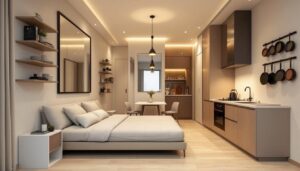
Creating a spa-like atmosphere at home doesn’t require gutting a bathroom or hiring a designer. It requires thoughtful choices in materials, color, lighting, and layout, decisions that shift a room from ordinary to restorative. A well-executed spa interior blends function with calm, using texture, scent, and sound to quiet the noise of daily life. Whether converting a master bath, a basement corner, or a spare bedroom, the principles remain the same: natural materials, muted palettes, layered lighting, and sensory intention. This guide walks through the core elements, practical zones, and budget-conscious moves that turn any space into a personal wellness retreat.
Table of Contents
ToggleKey Takeaways
- Spa interior design relies on four foundational elements: natural materials, minimalist layouts, water features, and greenery—no expensive renovation required.
- Color psychology plays a vital role; soft neutrals, muted blues, and earth tones lower visual noise and promote relaxation, while warm LED lighting (2700K–3000K) on dimmers completes the calming atmosphere.
- Water features, textural variety (river stone, marble, wood), and layered, dimmable lighting transform ordinary bathrooms into personal wellness retreats that reduce daily stress.
- Creating functional spa zones by separating wet areas (showers, tubs) from dry zones (grooming, lounging) with material changes and lighting signals purpose without requiring walls.
- Aromatherapy, sound masking with water or ambient music, plush textiles, and heated towel racks enhance the sensory experience at minimal cost.
- Budget-friendly updates—fresh paint ($100), upgraded showerheads ($40–$150), dimmer switches ($15–$30), and quality textiles—deliver spa-quality results without full remodels.
Essential Elements of Spa-Inspired Interior Design
Spa interiors rely on a few foundational choices that set the tone before a single candle is lit. These elements work together to create environments that feel intentional, uncluttered, and grounded.
Natural materials anchor the design. Think teak shower benches, limestone tile, bamboo mats, and linen towels. These materials age gracefully, handle moisture well, and bring texture without pattern overload. Avoid synthetic finishes that trap heat or look cheap under bathroom lighting.
Minimalist layout keeps the space from feeling busy. Built-in niches replace countertop clutter. Wall-mounted faucets and floating vanities expose more floor, making even small rooms feel open. Every item should earn its place, if it doesn’t serve relaxation or hygiene, it doesn’t belong.
Water features add auditory calm. A small recirculating fountain, a rainfall showerhead, or even a wall-mounted water blade can mask household noise and signal the brain to downshift. Ensure proper drainage and waterproofing per IRC moisture control standards, especially in wood-frame homes.
Greenery softens hard surfaces. Ferns, pothos, and snake plants thrive in humid, low-light bathrooms and improve air quality. Use ceramic or stone planters that won’t warp or mildew.
Natural Materials and Textures
Texture does the heavy lifting in spa design. Smooth river stone underfoot, a nubby cotton bath mat, cool marble countertops, and rough-sawn wood shelving create tactile variety that keeps a neutral palette from feeling flat.
Stone and tile dominate wet areas. Porcelain or ceramic tile rated for floors (COF ≥0.60 for slip resistance) works in showers and around tubs. Natural stone like travertine or slate adds warmth but requires sealing every 1–2 years to prevent staining. Large-format tiles (12″×24″ or bigger) reduce grout lines, simplifying cleaning and creating a more seamless look.
Wood accents bring warmth but must be chosen carefully. Teak and cedar resist moisture naturally and are standard in saunas and steam rooms. Use them for benches, bath caddies, or accent walls with ventilation behind. Avoid untreated pine or MDF in damp zones, they’ll swell and rot.
Textiles layer in softness. Choose 100% cotton or linen towels, waffle-weave robes, and natural-fiber rugs. Synthetics can feel slick or static-prone. Wash new textiles before use to remove sizing and improve absorbency.
Color Palettes That Promote Relaxation
Spa color schemes borrow from nature: soft neutrals, cool blues, muted greens, and warm earth tones. These hues lower visual noise and pair well with natural light and candlelight alike.
Whites and creams form the base. Off-white paint (try warm whites with LRV 80–85) reflects light without glare. Pair with white subway tile, marble, or quartz for a clean, timeless look. Avoid stark white in bathrooms with fluorescent lighting, it reads clinical, not calming.
Blues and greens evoke water and foliage. Soft sage, seafoam, or powder blue work on accent walls or in tilework. These colors are supported by research from Architectural Digest as effective in high-end wellness spaces. Use them sparingly to avoid a cold feel, balance with warm wood or brass fixtures.
Earth tones ground the palette. Taupe, sand, clay, and warm gray add depth without overwhelming. These shades pair naturally with stone, concrete, and unfinished wood. Consider using interior design techniques like color blocking or tonal layering to add subtle interest.
Accent colors should be muted. Burnt orange, terracotta, or charcoal can appear in towels, a single wall, or decorative objects. Avoid saturated reds, yellows, or bright patterns, they spike energy instead of soothing it.
Paint finishes matter. Use satin or semi-gloss in bathrooms for easier cleaning and moisture resistance. Flat paint absorbs steam and shows water marks.
Lighting Design for a Calming Atmosphere
Lighting can make or break a spa interior. Harsh overhead fixtures kill the mood: layered, dimmable sources create flexibility and warmth.
Ambient lighting provides overall illumination. Recessed LED cans (4″ or 6″ diameter) with warm white bulbs (2700K–3000K) work well in bathrooms. Space them evenly to avoid shadows. Install on a dimmer switch, NEC requires GFCI protection for any fixture within 8 feet of a tub or shower.
Task lighting handles grooming and safety. Vertical sconces flanking a mirror eliminate shadows on the face better than a single overhead fixture. LED strips mounted behind mirrors provide even, diffused light. Use bulbs with a CRI (Color Rendering Index) above 90 for accurate color.
Accent lighting adds drama and softness. LED strip lights under a floating vanity or along a toe-kick create a floating effect. Small pendant lights over a freestanding tub draw the eye and define zones. Battery-operated LED candles offer flicker without fire risk, useful in homes with kids or pets.
Natural light is ideal when available. Frosted or textured glass maintains privacy while letting daylight in. Skylights or solar tubes bring light to interior bathrooms without exterior walls. Install operable windows where building codes permit for ventilation and moisture control.
Avoid cool-white LEDs (4000K+) in spa spaces. They mimic midday sun and signal alertness, not relaxation. Warm whites replicate candlelight and sunset tones.
Creating Functional Spa Zones in Your Home
A dedicated spa zone doesn’t need square footage, it needs intention. Whether it’s a corner of a bathroom or a repurposed guest room, zoning divides activities and signals purpose.
Wet zones include showers, tubs, and steam rooms. Waterproof these areas thoroughly: use a continuous membrane like Schluter or RedGard under tile, extend it 6″ up walls, and slope floors 1/4″ per foot toward the drain. Install a tub with air jets or soaking depth (18″+ is standard for true soaking). Rainfall showerheads and handheld wands with thermostatic valves prevent temperature shock.
Dry zones handle dressing, grooming, and lounging. A cushioned bench or chaise near a window creates a meditation or reading nook. Use moisture-resistant materials even here, humidity migrates. Consider a small side table for tea, books, or a sound machine.
Sauna or steam room conversions require planning. Home saunas (electric or infrared) need dedicated 240V circuits and clearances per manufacturer specs. Steam generators require drainage, a steam-rated enclosure (usually tile with slope), and ventilation to prevent mold. Both are advanced projects, hire a licensed electrician and plumber for rough-in.
Vanity and storage zones keep clutter hidden. Install drawers with soft-close glides, built-in dividers for products, and open shelving for display-worthy items like rolled towels or plants. Wall-mounted cabinets free up floor space. Applying interior design strategies can help maximize storage without sacrificing aesthetics.
Separate zones with materials or lighting. A change from tile to wood, or a lowered ceiling with recessed lights, signals transition without walls.
Aromatherapy and Sensory Details
Scent, sound, and touch complete the sensory environment. These details don’t require construction, just intention.
Aromatherapy uses essential oils to influence mood. Lavender promotes relaxation, eucalyptus clears sinuses, and citrus energizes. Use an ultrasonic diffuser (safer than heat-based models), or apply diluted oils to a warm, damp towel. Avoid synthetic air fresheners, they smell chemical and can irritate airways.
Sound masks distractions and deepens calm. A Bluetooth speaker playing white noise, binaural beats, or ambient music works well. Water features add organic sound. Avoid high-volume or lyric-heavy music, it engages the brain rather than quieting it.
Tactile details matter more than most realize. Stock plush towels (600–800 GSM for absorbency and softness), a memory foam bath mat, and a waffle-weave robe. Keep a basket of smooth river stones near the tub for a tactile element. Heated towel racks (hardwired or plug-in) are a low-cost luxury that makes a tangible difference.
Temperature control affects comfort. Radiant floor heating under tile (electric mats or hydronic systems) eliminates cold shocks. Ventilation fans (rated for bathroom CFM per room size) prevent stuffiness. If installing a luxury spa room, consider dual-zone climate control for year-round comfort.
Visual softness comes from dimmable lights, candles (real or LED), and minimal decor. One piece of art, a single plant, or a small sculpture is enough. Overstuffing a spa space dilutes its purpose.
Budget-Friendly DIY Spa Design Tips
Spa design doesn’t demand a full remodel. Strategic updates and DIY swaps deliver impact without draining savings.
Paint and caulk refresh a bathroom for under $100. Remove old caulk with a utility knife, clean joints with denatured alcohol, and re-caulk with 100% silicone (not acrylic latex, it mildews faster). Paint walls, ceilings, and even outdated tile with specialty primers like Zinsser or Kilz.
Upgrade fixtures incrementally. Swap a builder-grade showerhead for a rainfall or dual-head model ($40–$150). Replace cabinet hardware with brushed nickel or matte black pulls. Install a dimmer switch ($15–$30) on existing lights.
DIY storage cuts costs. Build floating shelves from 1×8 pine or poplar boards, stained or painted to match. Use brackets rated for the load (8–12″ spacing for typical bathroom items). Mount a pegboard or rail system for towels and robes.
Textiles and accessories make fast changes. Buy quality towels on sale (Labor Day and January are peak times). Add a bamboo bath tray, a teak shower stool, or a woven basket for storage. These items appear in upscale spaces featured by Elle Decor and cost a fraction of built-ins.
Repurpose and refinish instead of replacing. Sand and seal a wooden stool or ladder for towel storage. Paint an old mirror frame. Use peel-and-stick tile (check reviews, quality varies) for a backsplash or accent wall. It’s temporary but effective for renters or trial runs.
Focus on lighting and scent first, they’re high-impact, low-cost moves. A $20 dimmer and a $15 diffuser shift the mood instantly. Expanding on foundational design principles ensures changes feel cohesive.
Safety note: Even small projects require proper PPE. Wear safety glasses when drilling or cutting, gloves when handling caulk or paint, and a dust mask (N95 or better) when sanding or working with grout.