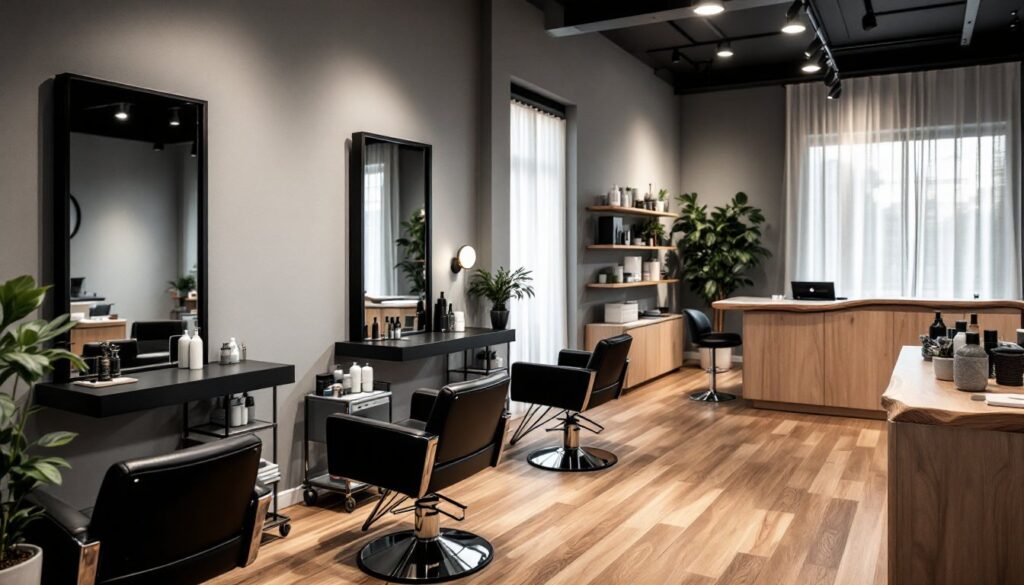

Turning a functional salon into a memorable client experience starts with smart <a href="https://wintersummerinn.com/interior-design-vs/”>interior design. A well-planned space doesn’t just look good, it supports workflow, sets pricing expectations, and keeps clients coming back. Whether someone’s launching a new salon or refreshing an existing one, the right design choices make a measurable difference in profitability and daily operations. This guide walks through the essential elements, from layout and lighting to budget-friendly DIY upgrades that deliver professional results.
Table of Contents
ToggleKey Takeaways
- Hair salon interior design directly impacts client experience, retention, and profitability by improving workflow efficiency and signaling professionalism.
- Proper layout planning—including 36-inch minimum aisles, 4–5 feet of width per styling station, and access to existing plumbing—prevents costly structural changes and safety violations.
- LED lighting with a color temperature of 3000K–4000K and task lighting at each station is essential for accurate hair color work and client comfort.
- Durable, waterproof flooring like luxury vinyl plank (LVP) and quality hydraulic chairs are cost-effective investments that withstand daily salon wear.
- Creating distinct zones for reception, styling, and washing areas with acoustic separation improves traffic flow and reduces noise while controlling operational costs.
- Budget-friendly DIY upgrades like paint, peel-and-stick tiles, and LED fixture swaps deliver visual impact, but electrical, plumbing, and structural work should always be handled by licensed professionals.
Why Interior Design Matters for Hair Salons
First impressions stick. When clients walk through the door, they’re evaluating whether the space matches the service they expect. A clean, cohesive design signals professionalism and justifies premium pricing.
Beyond aesthetics, thoughtful design improves workflow efficiency. Stylists work faster when tools are within arm’s reach, stations have adequate spacing, and traffic flow is logical. Poorly placed wash basins or cramped styling areas slow down service and increase fatigue.
Client comfort directly impacts retention. Ergonomic seating, proper lighting, and noise control create an environment where people want to spend time, and return regularly. Salons that prioritize these details see higher rebooking rates.
Branding reinforces identity. The interior should reflect the salon’s positioning, whether that’s upscale luxury, trendy and bold, or approachable neighborhood. Every color choice, material selection, and decor element contributes to that story.
Essential Design Elements for a Functional Salon Layout
Spacing and circulation come first. The International Building Code (IBC) and local fire codes dictate minimum aisle widths, typically 36 inches for main walkways and 44 inches where wheelchairs need to turn. Measure twice before locking in station placement.
Styling stations need 4 to 5 feet of width per chair to allow clients and stylists to move comfortably. Stations placed back-to-back should have at least 6 feet between mirrors to prevent collision and give stylists room to work.
Plumbing locations are structural constraints. Moving water lines and drains is expensive and often requires permits. Plan washing stations near existing plumbing or budget for the rough-in work.
Electrical capacity matters more than most DIYers realize. Blow dryers, flat irons, and hot tools draw significant amperage. A typical styling station needs at least two dedicated 15-amp circuits. Adding stations may require a panel upgrade, consult a licensed electrician before finalizing layout.
Storage should be integrated, not afterthought. Built-in cabinets, rolling carts, and wall-mounted shelving keep products and tools organized without eating floor space. The principles outlined in interior design strategies can help maximize functional layouts in tight spaces.
Choosing the Right Color Palette and Lighting
Color psychology drives salon design. Neutrals, soft grays, warm beiges, muted whites, create a versatile backdrop that doesn’t compete with hair color work. Bold accent walls can add personality but should be limited to non-service areas like reception or retail displays.
Avoid cool-toned fluorescents. They distort color perception and make skin look sallow. LED lighting with a color temperature between 3000K and 4000K mimics natural daylight and allows stylists to see true hair color during cuts and coloring.
Task lighting at each station is non-negotiable. Overhead ambient lighting isn’t enough. Wall-mounted sconces or track lights positioned at 45-degree angles eliminate shadows on the client’s face and hair. Aim for 75 to 100 foot-candles at the working plane.
Dimmer switches add flexibility. Lowering lights during a scalp massage or shampoo creates ambiance, while full brightness supports precision work. Install dimmers rated for LED loads to prevent flickering.
Natural light is ideal but requires control. Sheer curtains or solar shades diffuse harsh sunlight without blocking views. Large windows near styling stations can cause glare on mirrors, position seating accordingly or use frosted film on lower panes.
Many salons browse design inspiration on Houzz to visualize how lighting interacts with color schemes before committing to paint and fixtures.
Selecting Durable and Stylish Flooring and Furniture
Flooring takes a beating in salons. Water, hair clippings, dropped shears, and rolling chairs demand durable materials. Luxury vinyl plank (LVP) is the DIY-friendly winner, waterproof, scratch-resistant, and available in wood or tile looks. Install it as a floating floor over existing subfloor if the surface is level within 3/16 inch over 10 feet.
Polished concrete works for industrial-chic salons. It’s nearly indestructible and easy to clean, but it’s hard on feet and can be slippery when wet. Use non-slip sealers and provide anti-fatigue mats at styling stations.
Avoid carpet entirely. It traps hair, absorbs spills, and harbors odors. Even commercial-grade carpet becomes unsanitary quickly in a salon environment.
Hydraulic styling chairs are the backbone of the space. Look for chairs with smooth height adjustment, 360-degree swivel, and a wide footprint for stability. Chairs rated for 300+ pounds hold up better over time. Chrome bases show fingerprints, matte black or brushed finishes require less maintenance.
Reception seating should be comfortable but not too plush. Firm cushions hold their shape and are easier to clean. Vinyl or faux leather upholstery wipes down quickly, essential in a space where hair sticks to everything.
Rolling carts and tool storage need locking casters. Cheap casters bind and wobble, slowing down work. Invest in 3-inch rubber wheels that roll smoothly over grout lines and transitions.
Platforms like Homedit showcase commercial furniture options that balance style and function for high-traffic interiors.
Creating Distinct Zones: Reception, Styling, and Washing Areas
Zoning separates activities and controls noise and flow. The reception area should be visible from the entrance but separated from the work zone, either by a partial wall, low shelving, or a color change in flooring.
Reception needs a counter or desk at 42 inches high for standing transactions and a seated waiting area with at least 18 square feet per person. Include retail displays within this zone to drive product sales without cluttering the service area.
Styling stations are the core. Arrange them in rows, along walls, or in a U-shape depending on square footage. Stations should face away from windows to prevent glare on mirrors. Mount mirrors at 54 to 60 inches from the floor to the center for optimal viewing angles.
Provide at least one ADA-compliant station with clear knee space of 27 inches high, 30 inches wide, and 19 inches deep under the counter. This isn’t just good practice, it’s required under federal accessibility standards.
Washing stations belong in a separate zone, ideally with some acoustic separation. Shampoo bowls are noisy and wet. Provide 4 feet of space per bowl and install a slip-resistant mat in front of each one. Tiled walls simplify cleanup, use large-format porcelain tiles (12×24 inches or bigger) to minimize grout lines.
Backbar areas or color labs need ventilation. Ammonia and bleach fumes require exhaust fans vented to the exterior, check local codes for CFM requirements. A basic bath fan won’t cut it in a chemical-heavy space.
Applying foundational interior design techniques helps define these zones visually without erecting full walls.
Budget-Friendly DIY Tips for Salon Makeovers
Paint delivers the biggest visual impact per dollar. A fresh coat in a cohesive palette instantly modernizes a dated space. Use low-VOC or zero-VOC paint to minimize fumes, clients notice the smell. Budget $30 to $50 per gallon, covering roughly 350 to 400 square feet per gallon.
Peel-and-stick tiles update backsplashes or accent walls without demolition. These work over existing drywall, tile, or smooth paneling. Clean and prime the surface first with a bonding primer for best adhesion.
Lighting upgrades don’t require rewiring. Swap outdated fixtures for modern LED flush-mounts or pendant lights. Most are plug-and-play if the junction box is already in place. Turn off the breaker and use a non-contact voltage tester before touching wires, safety first.
DIY floating shelves add storage and display space. Use ¾-inch plywood cut to size, edge-banded, and mounted on concealed brackets rated for the load. Shelves near styling stations should hold at least 25 pounds to support product bottles and tools.
Mirrors can be cut and framed by glass shops for less than pre-framed salon mirrors. Provide exact dimensions and specify ¼-inch mirror glass for durability. Mount with J-channels and mastic, not just adhesive, mirrors are heavy and dangerous if they fall.
Stenciling or vinyl decals personalize walls without custom murals. Use painter’s tape and a foam roller for clean lines. Remove tape while paint is still slightly wet to prevent peeling.
Repurpose furniture from other commercial spaces. Office chairs can be reupholstered, retail display units can become product shelves, and restaurant-grade tables work for manicure stations. For additional project ideas, design tools can help visualize changes before making cuts.
Don’t skip permits. Electrical work, plumbing relocation, and structural changes typically require permits and inspections. DIY is great for finishes, but hire licensed pros for anything behind the walls. Fines and insurance issues aren’t worth the savings.
Conclusion
Salon interior design blends aesthetics with hard-won functionality. A well-executed space supports daily operations, enhances the client experience, and reinforces the brand. Whether tackling a full buildout or a targeted refresh, focusing on layout, lighting, durable materials, and clear zoning delivers results that pay off in client satisfaction and repeat business. Start with one zone, measure carefully, and build from there.