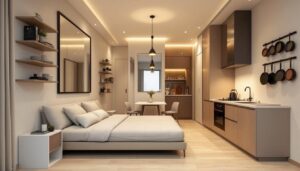
An apartment balcony is often overlooked real estate, a neglected extension of your living space that could be transformed into a personal retreat. Whether you’re working with a sprawling terrace or a modest ledge, apartment balcony decor doesn’t require a massive budget or professional landscaping skills. The key is understanding your constraints, choosing furniture and plants that work in your climate, and layering in textiles and lighting to create a cohesive outdoor room. This guide walks you through the essentials of turning your balcony into a functional, beautiful space you’ll actually want to spend time in.
Table of Contents
ToggleKey Takeaways
- Apartment balcony decor starts with measuring your space, checking lease restrictions, and assessing sun exposure to guide furniture and plant selection.
- Choose lightweight, weather-resistant furniture scaled to your balcony size, and prioritize multifunctional pieces that maximize limited space efficiency.
- Select plants based on your sun exposure—full-sun balconies suit succulents and perennials, while low-light areas work with pothos and cast-iron plants.
- Layer lighting with warm-toned string lights for ambiance, task lighting for functionality, and accent lighting to create depth without permanent installation.
- Add outdoor cushions, rugs, throws, and pillows in coordinating colors to transform your balcony into a comfortable outdoor room that invites relaxation.
- Maintain your balcony seasonally with spring cleaning, summer deadheading, fall preparation, and winter safety checks to extend furniture life and keep plants thriving.
Assess Your Space and Set a Budget
Before you buy a single planter, get real about what you’re working with. Measure your balcony in feet (length, width, and height to the railing or overhang). Check your lease or building rules, many apartments restrict permanent fasteners, weight limits, or plant types. A standard apartment balcony runs 8 to 12 feet long and 4 to 6 feet deep: smaller studio apartments might have just 6 by 3 feet.
Note the sun exposure. A south-facing balcony gets harsh afternoon heat: a north-facing one stays shaded most of the day. This matters enormously for plant selection. Mark the hours of direct sun you get, morning light and afternoon light behave differently.
Set a realistic budget. A modest balcony refresh (new seating, a few plants, basic lighting) runs $300 to $600. Mid-range upgrades (quality furniture, multiple plant displays, string lights) land between $800 and $1,500. Go high-end with weather-resistant furniture, extensive plantings, and integrated landscape lighting, and you’re looking at $2,000 to $4,000 or more. Your budget should account for furniture durability and seasonal maintenance, not just the initial purchase.
Choose the Right Furniture and Layout
Apartment balcony furniture must earn its space. Look for pieces that are lightweight, weather-resistant, and scale-appropriate. A full-size sectional will overwhelm a 6-by-3-foot studio balcony: a pair of compact cushioned chairs works better. Teak, powder-coated aluminum, and polypropylene resin all age well outdoors without constant maintenance.
Consider multifunctional pieces: an ottoman that doubles as a side table, a bench with hidden storage for cushions or gardening supplies. Apartment living rewards smart density. If your balcony sees foot traffic from wind or neighbors, anchor heavier furniture to the railing (check lease rules) or choose low-profile pieces that won’t tip.
Layout matters more than you’d think. Create zones: a seating area for relaxation, a plant display zone, and a small work or dining nook if space allows. Most apartments benefit from laying furniture parallel to the railing rather than facing outward, which uses the linear space more efficiently. Leave at least 2 feet of unobstructed deck space for movement and to avoid a cramped feel. Keep frequently used items, cushions, a small side table for drinks, within arm’s reach of seating.
Add Greenery With Plants and Planters
Plants are the quickest way to add life and color. Your sun exposure determines everything. Full-sun balconies (6+ hours) handle succulents, ornamental grasses, and flowering perennials like sedums and salvias. Partial-shade spots (3 to 5 hours) work with hostas, ferns, and shade-tolerant perennials. Low-light balconies stay green with pothos, philodendrons, and cast-iron plants.
Use container sizes strategically. A single large planter (18 to 24 inches in diameter) creates visual impact and requires less frequent watering than small pots. Group odd numbers of containers (three or five) rather than pairs, it feels more natural and less formal. Layer heights by placing tall planters toward the back or center and shorter ones toward the edge.
Balcony-specific constraints matter. Wind dries soil faster, so you’ll water more frequently than ground-level gardens. Use pots with drainage holes and quality potting mix, not garden soil (which compacts in containers). Ensure your building permits plants: some restrict direct planting to designated planters. Young House Love offers inspiring ideas for decorating a small studio apartment with greenery that suits tight quarters. Consider Gardenista for plant care specifics and design inspiration suited to container gardening.
Incorporate Lighting for Ambiance and Function
Lighting transforms an apartment balcony from a daytime-only space into an evening retreat. String lights (warm white LED, not harsh white) create overhead ambiance without permanent installation. Drape them in a gentle swoosh from corner to corner, or weave them through a trellis or privacy screen. Solar-powered options avoid extension cords and reduce electricity costs.
Add task lighting for reading or dining. Small lanterns on a side table or wall-mounted battery-powered sconces provide functional light without hardwiring. If your lease allows, clip lights or clamp fixtures work well and leave no permanent marks. Warm color temperatures (2700K) feel inviting: cooler tones (5000K) are efficient but less cozy.
Layer your lighting: ambient (string lights, lanterns) for atmosphere, task lighting for practical use, and accent lighting (uplighting a tall plant or architectural feature) for depth. Test your setup during evening hours to check for glare or dark spots. Most apartments benefit from dimmable or adjustable options so you can dial the mood up or down.
Layer in Textiles and Accessories
Textiles turn a bare balcony into an outdoor room. Outdoor cushions in coordinating colors (two to three hues max) make seating more comfortable and visually cohesive. Sunbrella or solution-dyed fabrics resist fading and mildew better than untreated cotton. An outdoor rug, typically polypropylene or solution-dyed acrylic, anchors your seating zone and defines the space, but ensure it’s rated for outdoor use to avoid mildew.
Add throws and pillow combinations to encourage lingering. Weather-resistant blankets invite evening lounging: decorative pillows (mix solid and patterned, large and small) add personality without much cost. Swap pillows seasonally to refresh the space without major renovation.
Accessories matter. A small side table holds drinks and books: a tall planter with trailing ivy or a fern creates vertical interest and softens railings. Wall art, weather-resistant metal pieces or framed outdoor prints, personalizes vertical surfaces. Mirrors bounce light and create the illusion of more space, especially on smaller balconies. Interior design for apartments extends seamlessly onto outdoor areas when textiles and colors coordinate with your indoor palette.
Maintain Your Balcony Through the Seasons
Seasonal care keeps your balcony looking fresh and extends furniture life. Spring cleaning includes hosing down furniture, checking for mold or mildew on cushions, and dividing or repotting overgrown plants. Summer means more frequent watering (often daily during heat waves) and occasional deadheading of flowering plants to encourage blooms.
Fall is the time to clean gutters or drainage areas, treat wood furniture with sealant if needed, and prepare frost-sensitive plants. Move tender perennials indoors or wrap them in frost cloth: some apartment dwellers bring potted plants inside entirely during winter. Winter maintenance is minimal, remove snow or ice promptly to avoid weight stress on the structure, and check that railings and deck surfaces are clear for safety.
Power-wash your deck annually (use low pressure to avoid damaging the surface), and refresh cushion storage to prevent mildew during off-season months. Homify provides seasonal inspiration and maintenance reminders for keeping outdoor spaces vibrant. A simple quarterly checklist, watering, deadheading, cleaning furniture, checking for pests, keeps your balcony from becoming neglected again.
Conclusion
Transforming your apartment balcony into a functional outdoor space is a project scaled to your lease restrictions, budget, and available time. Start with the fundamentals: honest space assessment, weather-appropriate furniture and plants, and a lighting plan that works for your schedule. Layer in textiles and thoughtful accessories to create comfort and personality. Maintain seasonally to protect your investment and keep the space inviting year-round. Your balcony is small, but it’s entirely yours, and that makes it worth the effort.