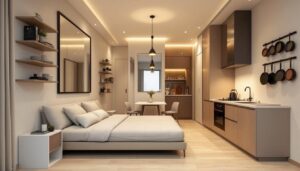
Living in a small apartment doesn’t mean settling for cramped, cluttered, or boring interiors. With intentional furniture choices, strategic lighting, and smart storage solutions, even a studio or one-bedroom can feel open, functional, and genuinely stylish. Small apartment decorating ideas work best when they serve double duty, looking good while solving real space problems. The key isn’t adding more stuff: it’s choosing the right pieces and arranging them strategically. This guide walks through 17 practical decorating strategies that maximize every square foot without feeling overdesigned or Pinterest-perfect.
Table of Contents
ToggleKey Takeaways
- Small apartment decorating ideas succeed when furniture has exposed legs and multi-functional features, creating visual breathing room and maximizing functionality in tight spaces.
- Use light neutral wall colors, large mirrors, and layered lighting to make small apartments feel bigger and more open without structural changes.
- Define living zones with area rugs, tall shelving, and strategic furniture placement instead of walls to keep your apartment feeling open and intentional.
- Go vertical with wall-mounted shelves, pegboards, and hidden storage solutions like ottomans and under-bed drawers to eliminate floor clutter.
- Create a strong focal point through an accent wall, gallery wall, or floor-to-ceiling curtains to anchor your small apartment living room and give your eye a place to rest.
- Measure doorways before buying furniture and mock up placement with painter’s tape to avoid costly pieces that won’t fit in your space.
Smart Furniture Choices for Compact Living
The foundation of any small apartment living room decor starts with furniture that pulls its weight. Oversized sectionals and chunky entertainment centers eat space fast and make rooms feel boxed in. Instead, look for pieces with exposed legs, sofas and tables that sit up on four legs rather than skirting to the floor create visual breathing room underneath, making the space feel less heavy.
Modular and Multi-Functional Pieces
Modular furniture is a game-changer for small spaces. Sectional pieces you can reconfigure based on your layout let you adapt as your needs shift without buying new items. A two-piece sectional with a chaise takes up roughly the same footprint as a standard sofa but gives you more seating flexibility and a spot to stretch out.
Multi-functional pieces work overtime in tight quarters. A storage ottoman does double duty as seating or a coffee table while hiding blankets, books, or cables. Nesting tables are another winner, stack them when you need surface space, tuck one away when you don’t. A bed with built-in drawers underneath reclaims 10-15 square feet of otherwise wasted storage. Wall-mounted desks fold down when you’re working and disappear when you need floor space back.
When shopping, measure your doorways and stairwells before committing to any piece. A beautiful sectional that can’t fit through the entry is expensive firewood. Check nominal dimensions against actual room layout, a “60-inch” sofa often measures 64-66 inches in real life, so mock up placement with painter’s tape on your floor first.
Create Visual Space With Color, Light, and Mirrors
Light and color are your cheapest tools for making small apartment living room designs feel bigger. Paint is one of the best bang-for-your-buck updates you can do. Light, neutral walls (whites, soft grays, warm creams) reflect light and create a sense of openness. A quick coat of quality interior paint can transform a cramped-feeling space in a weekend with basic prep: vacuum, fill holes, wipe down with TSP (trisodium phosphate) or a degreaser, and prime any dark colors or stains before your finish coat.
Mirrors are the architectural cheat code for small spaces. A large mirror opposite a window bounces natural light around the room and creates the illusion of depth. Lean an oversized mirror against a wall or hang it horizontally above a console table. This works even in apartments where you can’t permanently alter walls, use heavy-duty adhesive strips rated for your mirror’s weight.
Layered lighting beats a single overhead fixture. Combine ambient light (overhead or recessed fixtures), task lighting (a desk lamp or reading light), and accent lighting (a small floor lamp in a corner) to create depth and mood. String lights or low-key LED strips behind floating shelves add subtle warmth without heat or taking up floor space. Floor lamps with adjustable arms reach into corners and shed light where overhead fixtures can’t reach, and they’re rentable-friendly since nothing gets wired into walls.
Define Zones and Divide Rooms Without Walls
Open-plan apartments blur the lines between living, sleeping, and working spaces. Visually separating zones without permanent walls makes each area feel intentional and keeps the whole unit from feeling like a studio garage.
Area rugs are your first line of defense. A 5×7 or 6×9 rug anchors your living room furniture and signals “this is the seating area” without eating too much square footage. Keep colors muted so the rug unifies rather than fragments the space. Rugs with rubber underlayment prevent sliding and protect flooring.
Tall bookshelves or open shelving units act as partial dividers. Position a shelf to create a subtle boundary between your bedroom nook and living area without blocking sightlines completely. This gives you visual separation and practical storage. A room divider or folding screen is more portable if you rent, but solid panels block light: look for styles with cutouts or open frameworks if you use them.
Furniture arrangement does heavy lifting here too. Angle a sofa to face the TV rather than placing it parallel to a wall, or position it perpendicular to create an implied hallway. This simple move defines seating and circulation zones without adding anything. Floating furniture away from walls actually makes tight spaces feel less boxed-in, even if it seems counterintuitive, it suggests the room extends beyond what you can see.
Maximize Storage and Minimize Clutter
Small spaces breed clutter fast because there’s nowhere for items to hide. The secret isn’t more storage, it’s ruthless editing combined with smart placement.
Vertical Storage and Hidden Solutions
Go vertical before you spread out. Wall-mounted shelving, pegboards, and floating shelves reclaim cubic feet of unused wall space without consuming floor area. A simple 24-36 inch deep floating shelf above a desk or console holds books, decor, and small baskets without visually weighing down the room. Space shelves 8-12 inches apart depending on what you’re storing, tighter spacing for books, wider for larger decor items. Secure into studs with heavy-duty brackets rated for at least double the weight you plan to put on the shelf: walls fail when brackets pull free, and drywall alone won’t hold significant load.
Hidden storage keeps visual clutter out of sight. Ottomans with lift lids, under-bed drawers, and closed cabinets store items without broadcasting mess. Open shelving is trendy, but it only works in small apartments if you’re genuinely tidy and your stored items look intentional, a shelf crammed with random containers reads as cluttered. If you choose open shelving, curate ruthlessly and use matching storage boxes, baskets, or crates.
Closet organization is critical in small apartments where you may have minimal closet space. Slim velvet or fabric hangers let you pack more clothes in the same rod length compared to wooden hangers. A hanging shoe organizer on the inside of a closet door holds shoes, scarves, or small items without eating closet floor space. Clear plastic bins for seasonal clothing stack neatly and let you see contents without opening them.
Don’t underestimate vertical wall storage in the bedroom. A narrow ladder shelf beside the bed holds a lamp, books, and a small plant without taking floor space. Hooks on the back of the bedroom door hang bags, robes, or jackets where they stay out of the main visual field.
Design Strategic Focal Points
In small apartment living room designs, a strong focal point anchors the space and gives your eye a natural place to rest. This prevents the room from feeling chaotic or directionless.
Your TV is often the natural focal point in a living room, but consider whether it needs to dominate. A carefully styled accent wall behind your sofa or bed draws attention without adding clutter. Paint a single wall a deeper shade than the others, add removable wallpaper, or install shiplap or peel-and-stick wall paneling if you rent. This creates visual interest without overwhelming a small room.
A gallery wall of framed prints or photos is another low-cost focal point. Start by designing strategic focal points that complement your furniture and reflect your personality. Arrange frames on the floor first to nail your layout before hanging, odd numbers of frames (3, 5, 7) feel more dynamic than even numbers. Mix frame styles and mat colors for visual interest while keeping colors within a coherent palette so the wall reads as intentional rather than random.
Window treatments themselves become a focal point in small spaces. Floor-to-ceiling curtains in a coordinating solid color or subtle pattern draw the eye upward, making ceilings feel taller. Sheer curtains let natural light through while maintaining privacy, and they layer nicely with heavier drapes if you need blackout capability. Skip heavy, dark curtains that absorb light: go lightweight and reflective instead.
Small apartment decorating comes down to intention. Apartment living room decor ideas work best when every piece earns its spot. A single well-chosen piece of art or a curated set of three shelves creates more impact than filling every surface. Resources like Apartment Therapy and Young House Love showcase real apartment makeovers on budgets, showing how small changes compound into genuinely livable, styled spaces.
Start with one or two zones, the bedroom, living area, or kitchen, and polish those before moving on. Apartment living room designs that feel intentional and lived-in beat overstuffed or underfurnished rooms every time. The goal is a space that functions effortlessly and reflects who you are, not a showroom that feels sterile or untouchable.