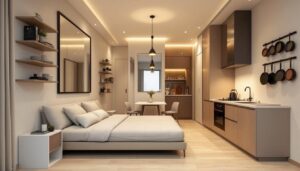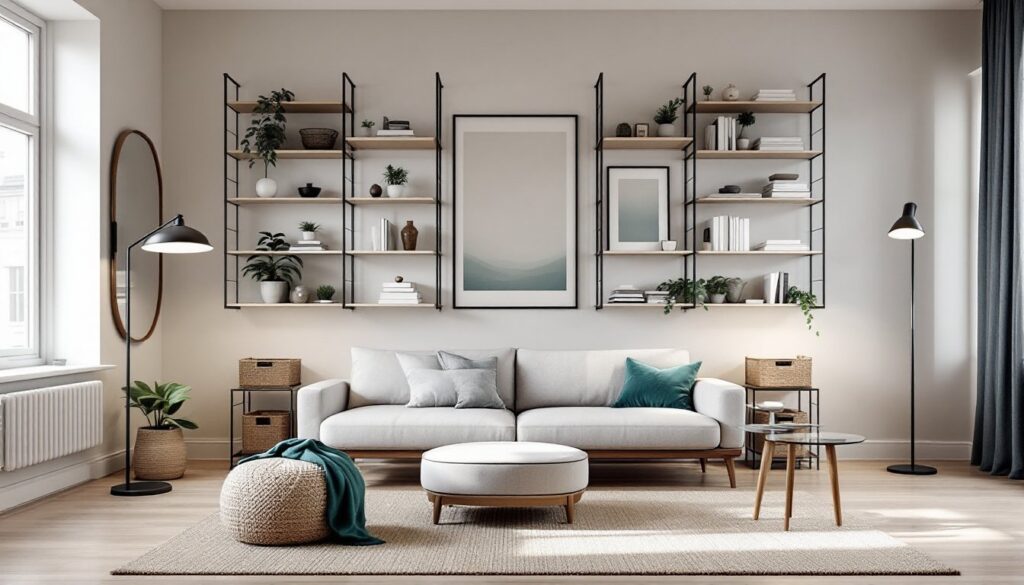

Apartment living rooms rarely come with square footage to spare, but that doesn’t mean you’re stuck with a cramped, forgettable space. Whether you’re decorating a small living room apartment for the first time or refreshing an existing one, the challenge is the same: make every inch count without sacrificing personality or comfort. Smart placement, dual-purpose furniture, and intentional design choices turn tight quarters into rooms that actually work, and look good doing it. The good news? You don’t need a designer’s budget or a contractor’s crew to pull it off. These seven ideas focus on practical, achievable changes that maximize both style and function in your apartment living room.
Table of Contents
ToggleKey Takeaways
- Maximize apartment living room ideas by utilizing vertical space with floor-to-ceiling shelving and wall-mounted storage to create the illusion of a larger, more open area.
- Invest in multi-purpose furniture like storage ottomans, sectionals with hidden storage, and nesting tables to maximize functionality without sacrificing floor space.
- Strategic lighting, mirrors, and reflective surfaces amplify natural light and make compact rooms feel twice their actual size.
- Build your apartment living room design around one anchor piece (sofa, rug, or accent wall) to maintain visual cohesion and prevent a cluttered appearance.
- Use the 70-20-10 design rule (70% neutral, 20% secondary color, 10% accent) to incorporate bold colors and patterns without overwhelming small spaces.
- Start with achievable changes like improved lighting or strategic furniture placement rather than attempting a complete renovation on a limited budget.
Embrace Vertical Space and Strategic Furniture Placement
Most apartment dwellers waste their walls while cramming furniture against them. The fix? Go vertical. Floor-to-ceiling shelving, wall-mounted TV setups, and tall bookcases draw the eye upward and create the illusion of more headroom, a critical trick in rooms with 8-foot ceilings or less.
When arranging pieces, think about traffic flow first. Position your sofa to face the TV or the room’s focal point, then anchor it with a modest coffee table (or a nesting set that tucks away). Avoid pushing everything to the walls: a slightly angled chair or floating console can define zones without consuming precious floor real estate. The key is negative space, you need breathing room around furniture, not everything crammed in to maximize seating.
Consider mounting shelves at 12 to 16 inches apart, a standard depth of 10 inches, and use floating brackets rated for your load. Wall studs are typically 16 inches on center, so you’ll likely hit them for proper support. If your rental prohibits wall anchors, command strips rated for heavier loads work for décor, though shelves usually require anchors into studs.
Choose Functional, Multi-Purpose Furniture Pieces
Apartment living room decorating succeeds or fails based on your furniture choices. A sofa that’s also a bed, a coffee table with hidden storage, an ottoman that serves as seating and a footrest, these pieces earn their keep in tight spaces.
Look for sectionals with storage under the chaise or modular sets you can rearrange as your layout needs change. A credenza or low console can hold media equipment, display items, and stow remotes and magazines without towering over the room. Bar stools with backs tuck under counters or islands, turning wasted kitchen space into casual seating. Storage benches at the end of a sofa double as extra seating when friends visit or as a perch for folding laundry on a lazy Sunday.
When shopping, measure doorways, hallways, and the actual room before buying. Many apartment dwellers get stuck with furniture that won’t fit through the front door or looks oversized once it’s inside. Rental-friendly options like interior design for apartments guides recommend piecing together lighter, modular units rather than one massive sectional, giving you flexibility to rearrange as needed.
Master Smart Storage and Hidden Solutions
Storage keeps small rooms from feeling chaotic. Without it, a living room quickly becomes a dumping ground for throw pillows, remotes, books, and seasonal décor. Built-in solutions aren’t always an option in rentals, but wall-mounted shelving, vertical file holders, baskets, and under-sofa storage containers do the job without permanent installation.
Use decorator boxes or woven baskets on shelves, they hide clutter while looking intentional. Floating shelves above a sofa or side table add display space for plants, art, or small items without eating floor space. A media console with closed cabinets hides electronics and cables: open shelving displays curated items but requires discipline to keep tidy.
For decorate one room apartment scenarios, a room divider with built-in shelves creates a visual boundary between your living and sleeping zones while providing storage on both sides. Vertical organizers on walls keep magazines, mail, and documents off surfaces. The rule: visible storage should look intentional (curated plants, art books, travel finds), while everyday clutter hides behind closed doors or in labeled containers.
Define Your Style: From Minimalist to Maximalist
Your apartment living room idea should reflect how you actually live, not an aspirational Pinterest board. Minimalist rooms thrive on fewer, higher-quality pieces and plenty of breathing room, ideal if you want calm and flexibility. Maximalist spaces layer color, pattern, and curated collections, creating personality and visual richness in a compact footprint.
Neither approach is “better.” A minimalist room with a neutral sofa, simple side table, and green plant reads as calm and spacious. A maximalist room with a patterned rug, colorful throw pillows, gallery walls, and layered textures feels curated and lived-in. The mistake is mixing these without intention, it reads as confused, not eclectic.
Choose your anchor (sofa, rug, statement wall) and build from there. If your sofa is patterned, keep walls neutral. If walls are bold, opt for a neutral sofa. Textiles, throws, cushions, curtains, are your cheapest way to test colors and patterns before committing: you can swap them out seasonally or if your taste shifts.
Use Mirrors, Lighting, and Reflective Elements
Mirrors are the ultimate small-space hack. A large mirror opposite a window bounces natural light and makes a room feel twice its actual size. Lean an oversized mirror against a wall for rental-friendly installation, or hang one with hook-and-loop strips if permitted. Avoid multiple mirrors facing each other, it’s disorienting and dated.
Lighting layers are essential: overhead fixtures (or a ceiling pendant if you’re allowed to install), task lighting (a reading lamp beside your sofa), and ambient lighting (candles, string lights, or a low-wattage floor lamp). Multiple small light sources feel cozier than one bright overhead fixture. If you can’t rewire, plug-in sconces with arc arms or uplights create depth without permanent installation. Smart bulbs let you adjust color temperature and brightness, warmer light (2700K) for evenings, cooler (4000K) for focus during the day.
Reflective surfaces, glass side tables, metallic accents, even glossy painted trim, bounce light and add visual pop. These small touches multiply the impact of natural and artificial light in compact rooms.
Create Visual Interest With Color, Patterns, and Textures
Color doesn’t require a large space to shine. A jewel-tone accent wall (deep emerald, navy, or terracotta) sets the room’s mood without overwhelming it. Or use color on furnishings and accessories instead, a burnt orange sofa, a mustard throw pillow, a teal area rug. Apartment Therapy and similar sites showcase how bold color choices in small spaces actually enhance the sense of intentional design rather than diminish it.
Layered textures, linen, velvet, wool, jute, leather, add dimension without adding bulk. A knit throw over a linen sofa, a jute rug under a leather pouf, and a canvas wall hanging create visual and tactile interest. Texture is especially powerful in minimalist rooms, where color is limited: it prevents the space from feeling flat or cold.
Patterns work in compact rooms if you’re deliberate. A patterned rug anchors the space, patterned pillows add pops, but patterned walls, patterned sofa, and patterned curtains together create visual chaos. Design tips suggest using the 70-20-10 rule: 70% neutral/solid, 20% secondary color or pattern, 10% accent. This keeps the eye engaged without sensory overload in close quarters.
Conclusion
Transforming your apartment living room doesn’t require a gut renovation or a big budget. Vertical storage, multi-purpose furniture, smart lighting, and intentional color and texture choices turn limited square footage into a room that works and looks intentional. Start with one or two changes, better lighting, a well-placed mirror, or a storage-friendly ottoman, and build from there. Your apartment living room can be both functional and reflective of your style: you just need a clear plan and realistic priorities for how you’ll use the space.