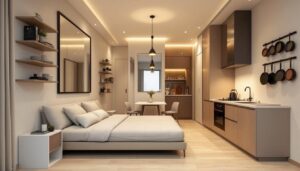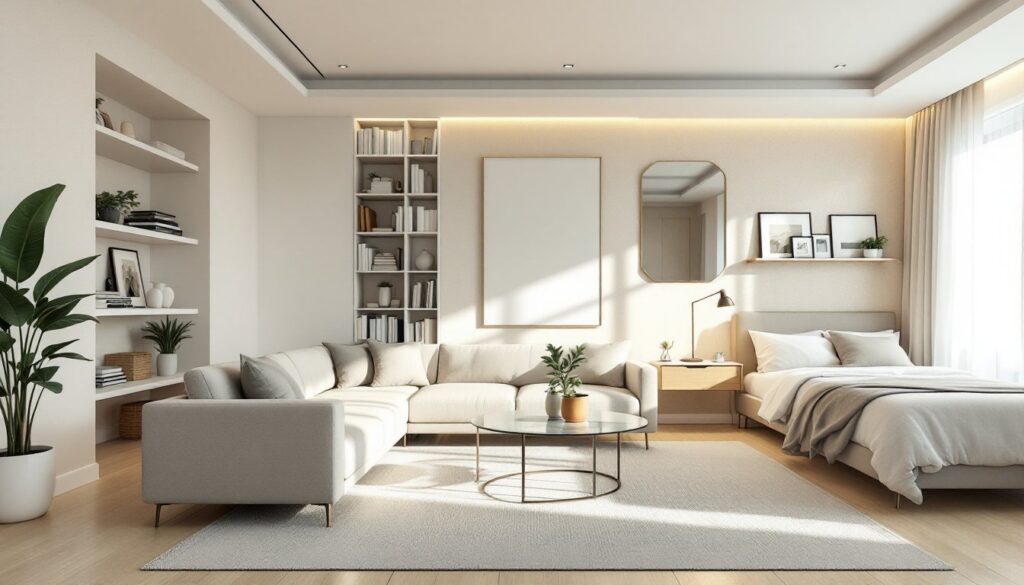

Living in a studio apartment means making every square foot count. Unlike a traditional apartment with separate bedrooms and living areas, a studio combines sleeping, working, and living into one multipurpose room, which can feel cramped if you don’t approach studio apartment decor strategically. The good news is that thoughtful design choices can transform a compact space into somewhere that feels intentional, stylish, and genuinely livable. This guide covers seven practical studio apartment decor ideas that work in real homes, backed by principles interior designers and DIY enthusiasts use to maximize small spaces without cluttering them or very costly.
Table of Contents
ToggleKey Takeaways
- Studio apartment decor transforms compact spaces by prioritizing vertical storage solutions such as floating shelves, tall bookcases, and wall-mounted organizers to maximize floor space without clutter.
- A cohesive color palette of 2–3 main colors with one accent creates visual flow and makes studio apartments feel larger and more intentional.
- Multifunctional furniture like storage ottomans, fold-down desks, and beds with built-in drawers ensures every piece earns its place in an efficiency apartment.
- Layered lighting—combining ambient, task, and accent fixtures with dimmer switches—adds depth and eliminates the harsh, institutional feel of single overhead lights.
- Mirrors and glass surfaces amplify natural light and create an illusion of depth, while strategic furniture placement and rugs define separate zones without building walls.
- Personal touches like curated artwork, plants, and textiles in your chosen color palette transform a functional studio into a home that reflects your unique style.
Maximize Vertical Space With Smart Storage Solutions
In a studio, floor space is precious. The fix? Go vertical. Instead of spreading furniture across the room, use wall-mounted shelving, tall bookcases, and hanging organizers to store everything from kitchen gear to seasonal clothing.
Start by identifying your walls. Look for studs (typically 16 inches on center) using a stud finder, then install floating shelves anchored securely into the studs. These work better than drywall anchors alone for weight-bearing shelves. A typical floating shelf can hold 25–50 pounds depending on the bracket type and anchor quality.
Consider adding a tall, narrow bookcase in a corner. A 5-foot-tall unit takes up minimal floor footprint but provides cubic footage for storage. Wall-mounted pegboards above a desk or nightstand table offer adjustable storage without eating into your living area. Magnetic strips inside cabinet doors hold metal spice containers, freeing up drawer space.
For efficiency apartment decor, under-bed storage is non-negotiable. Flat plastic bins on wheels slide underneath and hold off-season clothes, extra bedding, or supplies. Label them clearly so you know what’s stored where. Vertical file organizers on shelves stack papers and documents without sprawling across a desk.
Choose a Cohesive Color Palette to Create Visual Flow
A studio feels smaller when colors jump around the space. Instead, pick a cohesive palette of 2–3 main colors plus one accent, then repeat them consistently across walls, furniture, and textiles.
Neutral base colors, soft whites, warm beiges, light grays, visually expand the room and let furniture and decor do the talking. If a neutral-only space feels cold, introduce a secondary color (sage green, soft blue, warm terracotta) through larger pieces like a sofa or area rug. Reserve the third, accent color for smaller touches: throw pillows, artwork, or a single painted wall.
Paint matters more than you’d think in a compact studio. Light colors on walls reflect available light and make the space feel airier. A matte finish (eggshell or flat) is less reflective than glossy, so it won’t create visual chaos when light bounces off every corner. Plan for roughly 350 square feet of wall coverage per gallon of paint, meaning a small studio typically needs only 1 gallon for a single coat.
When you decide on your palette, carry it through textiles and decor. A cohesive look isn’t boring, it’s calming and makes the room feel intentional. Ideas for decorating an efficiency apartment start here: pick colors you’ll live with long-term, not trendy shades that tire you out in six months.
Use Multifunctional Furniture to Serve Double Duty
Buy a sofa just to sit on? Not in a studio. Every piece should earn its space by serving more than one purpose.
A storage ottoman doubles as a seat, a footrest, and a hidden storage box for blankets or pillows. A bed with built-in drawers underneath replaces a separate nightstand and dresser. Wall-mounted desks fold down when not in use, converting your sleeping area into a workspace without claiming permanent real estate. Nesting tables stack together to save floor space but separate when you need extra surface area.
Consider a bed frame with a headboard that includes shelving. This keeps books, a lamp, and personal items within arm’s reach without needing a separate nightstand. Some models even incorporate a desk built into the footboard, turning the bed into a multifunctional hub.
When shopping for furniture, measure your doorway, hallway, and the studio interior before buying. A piece might fit on the sales floor but not through a 28-inch doorway. Stick with pieces in lighter colors or glass tops, visual lightness helps a packed studio feel less cramped. Efficiency apartment decor relies on this principle: one item, multiple jobs, maximum breathing room.
Layer Lighting for Depth and Ambiance
A single overhead fixture casts flat, harsh light that makes a studio feel claustrophobic and institutional. Layer three types of lighting instead: ambient, task, and accent.
Ambient lighting is your base, a ceiling fixture or recessed lights set on a dimmer switch for flexibility. Dimmers cost about $15–30 and swap easily for a standard toggle switch: turn off the breaker, disconnect the old switch, and wire in the new one (two black wires, two white wires, one ground). Dimmers let you adjust the mood without rearranging furniture.
Task lighting targets work areas. Desk lamps, clip lamps on a bed frame, or under-shelf lights over a kitchen counter ensure you can see what you’re doing. LED bulbs are cooler to the touch and cheaper to run than incandescent, you’ll use less energy in a small space where every watt matters.
Accent lighting adds character. String lights above a window, LED strip lights behind floating shelves, or a standing uplighter in a corner creates depth and visual interest. Warm-white bulbs (2700K color temperature) feel cozy: cooler whites (4000K and up) suit task areas and kitchen zones.
Plug-in options save you from rewiring. A tall arc lamp arches over a seating area, a corner uplighter bounces light off the ceiling, and desk lamps clamp onto shelves. These are renter-friendly and don’t require a stud finder or drywall anchors.
Define Zones Without Walls Using Rugs and Furniture Placement
One of the biggest challenges in studio apartment decor is telling your brain that the sleeping area ends and the living area begins. You can’t build walls, but you can define zones with rugs and strategic furniture placement.
An area rug anchors a seating zone without taking up much floor space. A 5-by-8-foot rug under a sofa or chairs signals “living area” visually. Position your bed so it’s oriented differently from seating, if the couch runs north-south, angle the bed east-west. This visual separation makes both zones feel distinct, even when they’re three feet apart.
Use furniture as a subtle divider. A tall, narrow bookcase positioned between the bed and sofa acts like a permeable wall. It doesn’t block sightlines (keeping the space feeling open), but it psychologically separates zones. A console table behind a sofa, even a narrow one, creates a subtle boundary.
Lighting also zones. A warm table lamp beside the bed signals “sleep area,” while brighter task lighting over a work surface says “focus zone.” Your brain reads these cues instantly, making a unified studio feel like a properly arranged space.
Decorating ideas for studio apartments rely on this trick: layered signals (rugs, furniture angles, lighting) communicate purpose without closing off the space or eating up precious square footage.
Incorporate Mirrors and Glass to Amplify Light and Space
Mirrors are the budget-friendly way to make a studio feel larger and brighter. A strategically placed mirror opposite a window bounces natural light across the room and creates a visual impression of depth.
Hang a large mirror (at least 3 feet tall) on the wall opposite your main light source. Avoid placing it directly behind a sofa, this doesn’t amplify anything useful. Instead, position it where it reflects light, not the back of your head. A mirror above a console table behind a sofa works if it reflects a window or lamp. Secure it with mirror hanging brackets rated for the mirror’s weight: a typical 3-by-5-foot mirror weighs 30–50 pounds, so proper anchors into studs are critical.
Glass and translucent materials also expand perceived space. A glass-topped coffee table doesn’t feel as heavy as a wooden one, your eye sees through it, making the area feel more open. A glass shower enclosure (if your studio has an en-suite bathroom) looks less solid than a bathtub surrounded by a shower curtain rod. Shelves with glass doors feel lighter than solid wood cabinets.
Sheer curtains filter light without blocking the view outside, maintaining visual openness. Pair them with blackout liners mounted on the inside for privacy and light control when you sleep. This layering lets you adjust ambiance without sacrificing views that make a small space feel connected to the outside world. Design strategies like these, found in resources like decorating ideas and small apartment interiors, show how light and transparency trick your brain into seeing more space than actually exists.
Add Personal Touches With Decor That Reflects Your Style
A studio that looks like a furniture showroom isn’t a home. After handling the structural and functional parts of your decor strategy, personalize it with items that reflect who you are.
Choose art, objects, and textiles deliberately. A few large pieces (one 24-by-36-inch print, one substantial mirror, a statement rug) make a stronger visual impact than dozens of tiny decorations. Clutter shrinks spaces: curation expands them. If you love books, display them horizontally stacked on shelves with a decorative object or plant on top to break up text. If you collect small items, a shadow box or floating shelf with a consistent backing color (paint the back wall of the shelf) turns clutter into a curated display.
Plants humanize a space without taking much room. A tall snake plant in a corner, hanging pothos from a shelf bracket, or a small succulent on a desk add life and color. They also improve air quality, a real bonus in a sealed studio.
Textiles layer warmth. Throw blankets, area rugs, and pillow covers in your chosen color palette add texture and comfort. A linen throw in a complementary shade draped over a sofa costs less than redecorating but feels like a design investment.
Look to resources like Addicted 2 Decorating for budget DIY ideas, thrifted frames spray-painted to match your palette, painted storage boxes, or fabric-lined wall shelves transform a generic studio into a space that’s unmistakably yours. The goal is intentional personalization that doesn’t crowd the space.