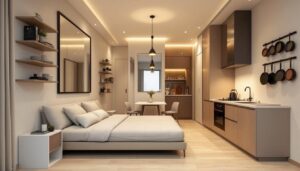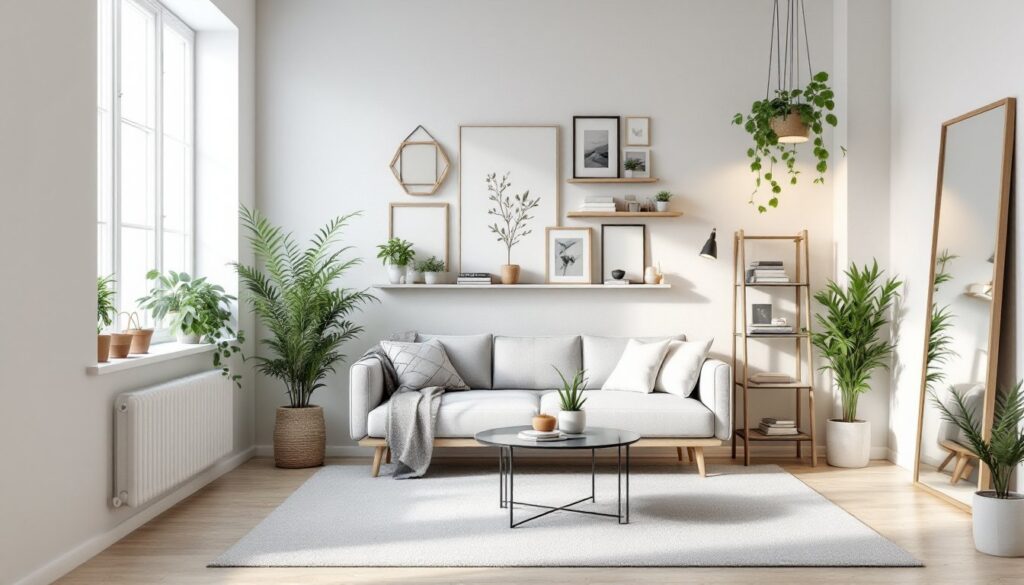

Living in a small apartment means making every square foot count. Small apartment decor isn’t about sacrificing style, it’s about being intentional with what you choose. Whether you’re working with a studio or a one-bedroom, the right strategies turn cramped quarters into a space that feels bigger, brighter, and genuinely yours. This guide walks you through seven proven decorating approaches that work in 2026, covering everything from furniture selection to lighting tricks that expand your perceived square footage.
Table of Contents
ToggleKey Takeaways
- Small apartment decor prioritizes multi-functional furniture like storage ottomans, nesting tables, and beds with drawers to maximize both style and space efficiency.
- Light neutral walls combined with layered lighting using warm white bulbs (2700K) reflects light and makes rooms feel larger and more inviting.
- Strategically placed mirrors opposite windows and vertical design elements like floor-to-ceiling shelving draw the eye upward and create depth without consuming floor space.
- A cohesive color palette of three main colors—dominant neutral, secondary, and accent—creates visual unity and prevents small spaces from feeling cluttered or chaotic.
- Personalized decor works best when intentional and minimal: choose one meaningful statement piece or piece of wall art over multiple generic items to add character without overwhelming the space.
Master Multi-Functional Furniture and Smart Storage Solutions
The foundation of small apartment decorating is choosing furniture that pulls double duty. A storage ottoman serves as a footrest, extra seating, and hidden storage all at once. Wall-mounted shelving units eliminate floor clutter while displaying books, plants, or decor. Nesting tables give you surface space when you need it and tuck away when you don’t.
When shopping for pieces, measure your doorways and hallways before buying, getting a sofa upstairs shouldn’t require a permit. Look for furniture with exposed legs rather than skirted bases: the visual lightness makes rooms feel airier. A bed with drawers underneath or a murphy bed (if your lease allows modifications) reclaims precious square footage. Under-bed storage containers hold seasonal items without taking wall space.
Don’t buy a piece just because it looks good in the store. Ask yourself: Does it store anything? Can it serve multiple purposes? Will it fit through my apartment entrance? These questions save money and frustration down the road.
Optimize Lighting and Color to Maximize Visual Space
Lighting changes everything in a small space. Layered lighting, combining overhead fixtures, floor lamps, and accent lights, prevents dark corners that make rooms feel cramped. A 3-way bulb lets you adjust brightness from dull to bright without rewiring. Under-cabinet or strip lighting (battery-operated or USB-powered) adds depth without requiring an electrician.
Color choice matters more in tight spaces. Light, neutral walls (whites, soft grays, warm beiges) reflect light and expand perceived square footage. That said, an accent wall in a deeper tone adds character without overwhelming. Paint it behind your bed or sofa for visual impact without boxing you in.
Warm white bulbs (2700K color temperature) feel cozy in bedrooms: cooler whites (4000K) work better in kitchens and bathrooms where clarity helps. Avoid dark paint in small apartments unless you’re deliberately creating an intimate corner, it absorbs light and makes walls close in.
Strategic Use of Mirrors and Vertical Design Elements
A large mirror opposite a window bounces natural light around the room and creates the illusion of depth. You don’t need anything fancy, a simple glass mirror panel from a hardware store, mounted securely to studs with appropriate anchors, works as well as a designer piece at half the cost. (Always locate studs with a stud finder before mounting anything over 15 pounds to prevent wall damage.)
Vertical design pulls the eye upward, making ceilings feel higher. Floor-to-ceiling shelving, tall bookcases, and wall-mounted organizers use the wasted space above eye level. Hanging plants from ceiling hooks add greenery without taking floor space.
Wall art, whether framed prints or canvas, draws focus upward. A gallery wall of varied-sized frames above your sofa or bed creates visual interest and prevents that bare, temporary apartment feeling. Keep pieces within 6–8 inches of each other for a cohesive look.
Room-by-Room Decorating: Living Room, Bedroom, and Bathroom
Living Room: Anchor the space with a rug that’s proportional to your furniture, too small and it emphasizes smallness: too large and it dominates. A sectional or loveseat fits tighter layouts than a full sofa. Floating furniture away from walls creates definition and makes the area feel intentional rather than crammed.
Small apartment living room designs benefit from a focal point: a mounted TV, a bookshelf, or a gallery wall. This draws the eye and organizes the space mentally. Keep your coffee table minimal, glass or open-frame styles maintain sightlines.
Bedroom: A bed frames the room visually. In a studio or small bedroom, a platform bed with built-in storage maximizes utility. Bedside shelves or floating nightstands replace bulky dressers. If you need clothing storage, a tall, narrow dresser fits corners better than a wide piece.
Small apartment bedroom decor works best when the bed doesn’t consume the entire wall. A coverlet in a solid, complementary color keeps things clean-looking. Avoid patterned bedding that visually shrinks the space.
Bathroom: Vertical storage (tall, narrow cabinets or open shelving) keeps essentials within reach without sprawl. Mirrors are essential here, they expand the space and hide imperfections. A light color scheme prevents the room from feeling like a cave. Skip the large vanity unless your layout allows it: a pedestal sink opens up floor area dramatically.
Creating Visual Flow With Minimalist Design Principles
Minimalism in a small apartment isn’t about owning nothing, it’s about owning what serves you. Before buying decor, ask: Do I love this? Will I use this? Does this fit my space’s purpose? One beautiful piece beats five mediocre ones every time.
Limiting your color palette creates cohesion. Stick to three main colors: a dominant neutral (walls), a secondary color (furniture), and an accent (pillows, art). This approach ties the space together visually, making even a tight footprint feel intentional. According to design research at Apartment Therapy, this strategy is a cornerstone of successful small space styling.
Keep surfaces clear. A nightstand with three items looks purposeful: one loaded with clutter feels chaotic. Use closed storage (baskets, cabinets) for things you need but don’t want to see. Rotating decor seasonally (swapping pillows or wall art) keeps things fresh without accumulating stuff.
Personalize Without Clutter: Adding Style and Character
Personality makes a house feel like home, even in a shoebox. The trick is being selective. One statement piece, a bold-colored chair, a patterned rug, or a piece of wall art you genuinely love, anchors your style without overwhelming the space.
Live plants bring warmth and improve air quality. A few small potted plants on floating shelves or a tall floor plant in a corner adds life without clutter. Hanging planters free up surface space while adding greenery.
Personal touches matter: framed photos, a small shelf of books you actually read, or a collection you’ve curated over time. These details tell your story without creating visual noise. Apartment living room idea boards on social media often show cluttered spaces trying too hard: resist that urge. A single piece of meaningful decor beats ten generic items.
Lighting fixtures, too, can be decorative. A vintage brass floor lamp or a pendant light with character adds personality while serving function. Modern design resources like Dwell showcase how thoughtful, minimal decoration speaks louder than visual excess.
Conclusion
Small apartment decor thrives on intentionality, not compromise. Master multi-functional pieces, control your color palette, use mirrors and vertical space, and resist the urge to fill every corner. Whether you’re tackling your living room, bedroom, or entire studio, these seven strategies transform tiny spaces into homes that feel spacious, styled, and genuinely yours. Start with one room, measure twice, and remember, the best apartment design works around your life, not against it.