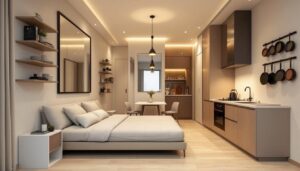
Modern transitional interior design strikes a balance between time-tested traditional elements and sleek contemporary lines. It’s not about picking one style over another, it’s about creating a space where both coexist without competing for attention. This approach appeals to homeowners who want warmth and elegance but aren’t willing to sacrifice clean lines and function. Understanding how these two aesthetics work together opens the door to a versatile, livable home that doesn’t look dated or cold.
Table of Contents
ToggleKey Takeaways
- Modern transitional interior design balances traditional warmth and elegance with clean, contemporary lines—creating a timeless aesthetic that won’t look dated in years to come.
- Neutral color palettes (whites, grays, and greiges) form the foundation, while transitional spaces mix wood tones, metals, and textures to add depth without overwhelming the eye.
- Start with architectural bones and anchor pieces in slightly-traditional forms with modern finishes, then layer in contemporary elements like geometric rugs and streamlined fixtures for cohesion.
- Avoid common mistakes such as overcommitting to one style, using only one wood finish, or ignoring scale—intentional editing and restraint are essential to successful transitional design.
- Proper lighting placement (dining pendants 30–36 inches above tables, bathroom sconces at 60–65 inches) and varied fixture types transform a transitional space from formal to casual with ease.
What Is Modern Transitional Interior Design?
Modern transitional design blends the formality and ornamentation of traditional interiors with the simplicity and clean geometry of modern spaces. Think of it as the middle ground, a style that borrows architectural details like crown molding or wainscoting from classic homes while pairing them with streamlined furniture, neutral palettes, and uncluttered surfaces.
This design approach became popular in the early 2000s as homeowners moved away from matchy-matchy traditional sets and overly stark minimalism. It’s practical for real living: comfortable seating, durable materials, and a layout that accommodates both formal entertaining and everyday use.
Transitional spaces often feature hardwood or engineered flooring in medium tones, painted trim (rather than stained), and a mix of textures, linen, leather, brushed metal, and natural wood. Lighting plays a key role, too. A traditional chandelier might hang over a glass-topped modern dining table, or sleek recessed cans illuminate a room anchored by a classic Persian rug.
The goal isn’t to split every decision down the middle. It’s about choosing elements from each style that share common ground: proportion, quality, and restraint. When done right, the room feels cohesive, not confused.
Key Elements That Define Modern Transitional Style
Neutral Color Palettes with Subtle Accents
Neutral tones form the backbone of transitional design. Walls are typically painted in soft whites, warm grays, or greiges (gray-beige hybrids). These hues work as a backdrop that lets furniture and architectural details stand out without overwhelming the eye.
Trim and molding are usually painted in a crisp white or off-white to create contrast against wall color. Floors might be stained oak, walnut, or hickory in medium tones, not too dark, not too blonde. This balance keeps the space grounded without skewing too rustic or too industrial.
Accent colors appear sparingly. A navy velvet throw pillow, a charcoal upholstered chair, or a muted sage area rug can introduce depth without disrupting the overall calm. Bold patterns are rare: when they do appear, they’re geometric or classic (herringbone, stripes, subtle damask) rather than busy florals or abstracts. Exploring a range of interior design strategies can help homeowners refine their color choices to suit both lifestyle and architecture.
Mixing Traditional and Contemporary Furniture
The furniture mix is where transitional style reveals its flexibility. A tufted sofa with clean lines might sit across from a modern leather chair with exposed metal legs. A wooden coffee table with turned legs could share the room with a sleek glass side table.
Proportions matter more than period. Pieces should feel balanced in scale and weight. Avoid oversized traditional furniture that dominates a room or spindly modern pieces that look lost in a larger space. Upholstery fabrics tend toward neutrals, linen, cotton blends, soft leathers, with texture doing the heavy lifting instead of color.
Cabinets and storage pieces often split the difference, too. A media console might have Shaker-style doors (traditional) but sit low to the ground with minimal hardware (modern). Dining chairs could feature a traditional silhouette but be upholstered in a solid, contemporary fabric instead of patterned damask.
Hardware and fixtures follow the same rule: simple but not stark. Brushed nickel, satin brass, or matte black finishes work well. Skip ornate crystal knobs and ultra-industrial exposed bolts. Many interior design techniques focus on achieving this balance through careful furniture curation and spatial planning.
How to Create a Modern Transitional Living Space
Start with the architectural bones. If the home has traditional features, crown molding, baseboards over 5 inches tall, coffered ceilings, keep them. Paint them white or off-white to lighten the visual weight. If the space is a blank box, consider adding simple trim or picture frame molding in a profile that’s classic but not overly ornate.
Select anchor pieces first: sofa, bed frame, dining table. These should lean slightly traditional in form but modern in finish. A sofa with rolled arms but no skirt, a wooden bed frame with minimal carving, or a pedestal dining table in a clean silhouette all work. Avoid anything too fussy or too cold.
Layer in modern elements next. A geometric area rug, abstract artwork in muted tones, or streamlined floor lamps can shift the balance toward contemporary without erasing the traditional foundation. Keep window treatments simple, linen drapes on basic rods, Roman shades, or even clean shutters. Skip heavy swags and tassels.
Lighting is crucial. Mix fixture types: a traditional-inspired pendant in the entryway, recessed LED cans (4-inch or 6-inch depending on ceiling height) throughout, and sleek sconces flanking a mirror. Dimmer switches (standard or smart) give control over mood and let the space shift from formal to casual.
Texture and finish variety prevent the room from feeling flat. Pair a matte-painted wall with a glossy lacquered side table, a nubby linen pillow with smooth leather seating, or brushed metal hardware with natural wood cabinetry. These small contrasts add depth. Designers often recommend reviewing interior design ideas from real projects to see how others have navigated similar challenges.
Don’t overload the space. Transitional design thrives on restraint. Shelves should be styled, not packed. Surfaces should have a few well-chosen objects, not collections. This isn’t minimalism, it’s intentionality. Each item should earn its place.
For flooring, engineered hardwood in 5- to 7-inch planks works well in most transitional homes. Choose a mid-tone stain with a matte or satin finish. If installing new, acclimate the planks in the room for 48 to 72 hours before installation to prevent warping. Luxury vinyl plank (LVP) is a budget-friendly alternative that mimics wood convincingly, especially in moisture-prone areas.
Common Mistakes to Avoid in Transitional Design
Overcommitting to one style is the most common misstep. If every piece leans traditional, the space reads as outdated. If everything is modern, it loses warmth. The blend should feel organic, not forced or formulaic.
Another pitfall: choosing furniture in only one finish. A room full of dark espresso wood or all light oak feels monochromatic and flat. Mix wood tones and pair them with metal, glass, or upholstered pieces. The variety keeps the eye moving and prevents monotony.
Ignoring scale derails even well-planned rooms. A massive sectional in a small living room overwhelms, no matter how beautiful. Measure the space and furniture carefully. Leave at least 24 to 36 inches of clearance for walkways. In dining areas, allow 42 to 48 inches from the table edge to the wall or other furniture so chairs can pull out comfortably.
Skipping architectural details is a missed opportunity. If the home lacks trim or molding, adding it (even simple profiles) gives traditional weight that modern furnishings can play against. Conversely, ripping out all original details to achieve a modern look removes the character that makes transitional design interesting. Many homeowners exploring how to interior design spaces struggle with this balance initially.
Neglecting lighting temperature and placement creates mood problems. Warm white bulbs (2700K to 3000K) suit living areas and bedrooms: cooler tones work in task areas like kitchens. Install fixtures at appropriate heights: dining pendants should hang 30 to 36 inches above the table surface, and sconces flanking a bathroom mirror should be mounted at 60 to 65 inches from the floor to the center of the fixture.
Finally, don’t treat transitional design as “safe” or “boring.” It’s neither. When executed thoughtfully, it’s sophisticated and livable. But it requires editing. Every accessory, fabric choice, and finish should serve the overall balance. If something feels off, it probably is. Trust the process and be willing to swap pieces until the room clicks. Resources from sites like Dwell and Decoist showcase how professionals handle this nuance in real homes. Additional inspiration can be found at Homify, where user-submitted projects illustrate the range of possibilities within the style.
Conclusion
Modern transitional design offers flexibility without sacrificing coherence. It’s a practical approach for homeowners who want a space that feels current but won’t look dated in five years. By balancing traditional warmth with modern simplicity, the style creates homes that work for real life, comfortable, functional, and genuinely appealing.