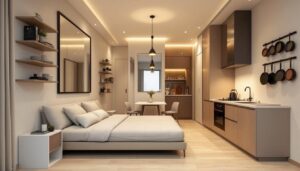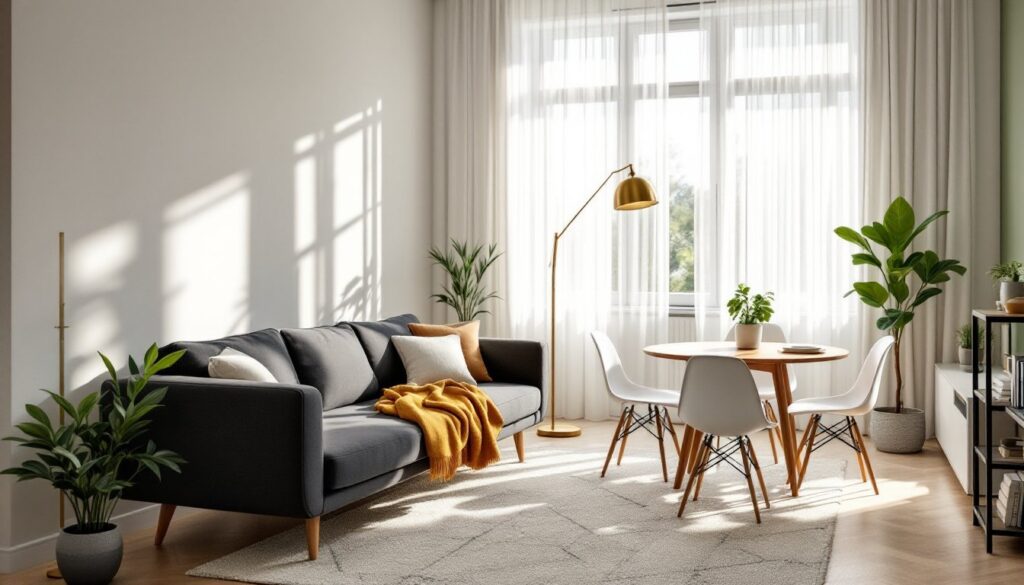

Apartment living comes with trade-offs. You get location, lower maintenance, and flexibility, but you also inherit awkward layouts, landlord restrictions, and square footage that forces tough decisions. The good news? Small spaces and rental rules don’t have to mean bland, cramped living. With intentional planning and a few proven techniques, apartment dwellers can create interiors that feel spacious, personal, and deeply functional. This guide covers the practical side of apartment design: space planning, color strategy, smart furniture choices, and renter-friendly upgrades that won’t forfeit a deposit.
Table of Contents
ToggleKey Takeaways
- Interior design for apartments thrives on intentional planning and smart solutions that maximize small spaces while respecting landlord restrictions and lease terms.
- Effective space planning requires measuring everything first, applying proportional furniture scale, and utilizing vertical storage to make rooms feel larger and more functional.
- Layered lighting with warm-white LED bulbs, neutral color palettes with strategic accents, and reflective surfaces are essential for brightening apartments with poor natural light.
- Multi-functional furniture like sofa beds, extendable tables, and ottoman storage eliminates the need for dedicated single-purpose rooms in apartments under 1,000 square feet.
- Rental-friendly upgrades using damage-free systems—Command strips, adhesive hangers, peel-and-stick wallpaper, and temporary flooring—let renters personalize spaces without forfeiting deposits.
- Open-plan apartments benefit from intentional zoning through area rugs, floating furniture arrangements, varied lighting, and subtle color shifts that create distinct functional areas.
Understanding the Unique Challenges of Apartment Interior Design
Apartments present design constraints that single-family homes rarely face. Fixed layouts mean walls, doors, and windows can’t be moved without landlord approval, and structural changes are usually off-limits entirely. Limited square footage forces prioritization: not every room can serve a single purpose, and storage is often minimal or poorly placed.
Lease restrictions add another layer. Most rentals prohibit permanent alterations like removing cabinetry, installing built-ins, or painting without approval. Damage to walls, flooring, or fixtures can result in forfeited security deposits or additional charges. This makes standard DIY upgrades, like swapping out light fixtures or drilling into studs, risky without clear lease language.
Noise and shared walls also affect design decisions. Heavy furniture against shared walls, hard flooring without underlayment, and high-traffic areas near neighbors can create friction. Acoustic considerations often require soft furnishings, rugs, and strategic furniture placement.
Finally, lighting limitations are common. Many apartments have insufficient overhead lighting, small windows, or north-facing exposures that leave rooms dim. Renters can’t typically add recessed lighting or rewire circuits, so design must rely on portable fixtures and reflective surfaces.
Space Planning Strategies That Maximize Every Square Foot
Effective space planning starts with measuring everything. Before buying furniture or planning layouts, measure room dimensions, doorway widths, ceiling heights, and clearances around windows and radiators. Use a laser measure or a 25-foot tape measure for accuracy. Note the location of outlets, switches, and HVAC vents, they’ll dictate where furniture and lighting can realistically go.
Apply the principle of scale. In a 10×12-foot bedroom, a king-size bed (76×80 inches) leaves minimal clearance for dressers or nightstands. A full (54×75 inches) or queen (60×80 inches) often works better, preserving walking space and visual breathing room. Furniture that’s too large makes rooms feel cramped: too small, and the space looks disjointed. Aim for pieces proportional to room dimensions.
Use floating furniture where possible. Pushing every piece against walls creates dead space and emphasizes room smallness. Pulling a sofa 12-18 inches off the wall, for example, can define a seating area in an open layout while creating space behind for a console table or task lighting. This approach also improves traffic flow.
Vertical space is underused in most apartments. Install floor-to-ceiling shelving (using tension rods or freestanding units if drilling isn’t allowed) to draw the eye upward and maximize storage without consuming floor area. Tall bookcases, lofted beds, and wall-mounted desks capitalize on cubic footage, not just square footage. When implementing these smart storage solutions, prioritize adjustable or modular systems that adapt as needs change.
Color Schemes and Lighting Techniques for Small Spaces
Light, neutral palettes remain the most reliable approach for small apartments. Whites, soft grays, and warm beiges reflect natural light and visually expand walls. This doesn’t mean sterile, layering textures (linen curtains, wool throws, wood finishes) adds depth without the weight of dark colors.
If color is a priority, use it strategically. Accent walls in deeper tones (navy, charcoal, forest green) add drama without overwhelming. Painting the wall farthest from the entrance, not the first one seen, creates a focal point and a sense of depth. Avoid busy patterns on large surfaces: they fragment the visual field and shrink perceived space.
When considering design strategies for color application, test paint samples in the actual space before committing. Paint a 2×2-foot section and observe it at different times of day under varying light conditions. Color shifts dramatically between morning and evening, and what looks perfect in the store often reads differently at home.
Layered lighting is non-negotiable in apartments with poor overhead fixtures. Follow the three-layer rule: ambient (general illumination from ceiling fixtures or torchieres), task (focused light for reading, cooking, or desk work), and accent (decorative or highlighting fixtures). Use floor lamps, table lamps, and plug-in sconces to compensate for inadequate ceiling lighting.
LED bulbs in the 2700-3000K range (warm white) create a welcoming atmosphere. Avoid cool white (4000K+) in living spaces, it feels clinical. Dimmer switches on plug-in lamps (available as inline cord dimmers) provide flexibility without hardwiring. Position lamps in corners to bounce light off walls and ceilings, amplifying their effect.
Multi-Functional Furniture and Smart Storage Solutions
Multi-functional furniture isn’t a compromise, it’s a necessity in apartments under 1,000 square feet. Sofa beds and sleeper sofas turn living rooms into guest rooms without dedicating an entire bedroom. Modern mechanisms (like pull-out frames with memory foam mattresses) are far more comfortable than older futon-style designs. Look for models with storage compartments underneath for linens or off-season clothing.
Extendable dining tables serve double duty. A 36×60-inch table seats four daily, but with leaves, it can accommodate six to eight for gatherings. Drop-leaf and gateleg designs work well in tight kitchens, folding down to console depth when not in use.
Ottomans with storage, lift-top coffee tables, and bed frames with built-in drawers reclaim space that would otherwise go unused. A queen platform bed with four storage drawers underneath can replace a separate dresser, freeing up floor area. When selecting multi-functional pieces, prioritize quality hardware, hinges, drawer slides, and extension mechanisms take more abuse than static furniture.
For vertical storage, wall-mounted desks and fold-down tables disappear when not needed. Look for models rated for the intended load (most fold-down desks support 50-75 pounds, sufficient for a laptop and monitor but not heavy equipment). Use hollow-wall anchors rated for at least twice the expected weight if mounting to drywall without stud backing.
Modular shelving systems (like cube organizers or stackable bookcases) adapt to changing needs and can be reconfigured or expanded over time. Stick to units with backs and solid construction: particleboard sagging is common in cheaper models under sustained load. Many design ideas focus on adaptable furniture that grows with the space.
Rental-Friendly Design Ideas That Won’t Lose Your Deposit
Damage-free hanging systems have improved significantly. Command strips (rated by weight) hold frames, mirrors, and lightweight shelves without nails. For heavier items, adhesive picture hangers or tension rods work well. Always test adhesive products on an inconspicuous area first, some paints (especially flat or low-VOC formulas) are more prone to peeling.
If drilling is permitted, use small finish nails or 3/32-inch pilot holes for lightweight items. Fill holes with lightweight spackle and touch up with leftover paint before move-out. Keep a small container of the original wall color if possible, or request paint codes from the landlord at move-in.
Peel-and-stick products now include wallpaper, backsplash tiles, and flooring. Quality varies widely, cheap vinyl products leave residue or damage paint. Stick to removable wallpaper from reputable brands rated for rental use (look for “strippable” or “pre-pasted removable” labels). Test a small section for at least 48 hours before committing to full walls.
Temporary flooring like interlocking foam tiles, peel-and-stick vinyl planks, or area rugs over existing carpet or tile refreshes spaces without permanent changes. If installing vinyl planks, ensure the subfloor is clean and level. Most peel-and-stick products require a smooth, non-textured surface to adhere properly, they won’t stick to popcorn ceilings or heavily textured walls.
Freestanding room dividers, curtain tracks, and bookshelf partitions create separation in open layouts without structural modification. Tension-mounted curtain rods (floor-to-ceiling) can section off sleeping areas in studios or create makeshift closets. Avoid over-tightening tension rods, excessive pressure can dent drywall or crack plaster.
Replacing hardware (cabinet pulls, drawer knobs, outlet covers) is reversible and high-impact. Keep original hardware in a labeled bag and reinstall before move-out. When exploring rental-friendly Interior Design Guide: Essential methods, prioritize reversibility.
Creating Zones and Defining Areas in Open-Plan Apartments
Open-plan layouts require intentional zoning to avoid a single undifferentiated space. Use area rugs to anchor distinct zones, a 5×7-foot or 8×10-foot rug under a seating arrangement visually separates it from a dining area. Ensure front furniture legs rest on the rug (at minimum) to tie the grouping together.
Furniture arrangement is the most effective, cost-free zoning tool. Position a sofa perpendicular to the wall to define living space, with a console table behind it to create a boundary. A bookcase or open shelving unit (not solid-backed) placed perpendicular to a wall can partition a workspace from a sleeping area without blocking light or making the room feel closed-in.
Lighting differences reinforce zones. Use a pendant light or chandelier over a dining table, task lighting at a desk, and ambient floor lamps in the living area. Varied light sources create distinct moods and signal functional differences even in a continuous space.
Color and material shifts subtly define areas. A different wall color (or wallpaper accent) behind a bed or desk distinguishes that zone. Switching flooring, adding a runner in a hallway, or a jute rug in the dining area versus a plush rug in the living room, creates tactile and visual boundaries.
For Best Interior Design outcomes in open plans, avoid placing all furniture against perimeter walls. Float pieces to create pathways and natural divisions. In studio apartments, a platform or raised floor (if allowed and structurally sound) can physically separate a sleeping area, though this typically requires landlord approval due to permanent modification.
Many successful layouts follow examples from apartment design showcases that highlight zoning in compact footprints.
Conclusion
Apartment design is problem-solving with constraints, and constraints breed creativity. Prioritize furniture that works overtime, invest in lighting that adapts, and respect lease terms while maximizing reversible upgrades. Measure twice, plan deliberately, and don’t underestimate the impact of good prep work. Small spaces reward intentionality over square footage.