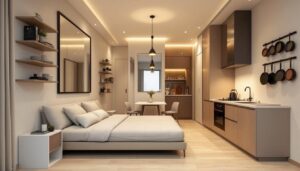
Walking into a well-designed boutique hotel feels different. The lighting, textures, furniture, it all comes together to create an atmosphere that’s both polished and personal. That same intentional design can be brought home, turning everyday spaces into rooms that feel curated, comfortable, and distinct. It doesn’t require a designer’s budget or a gut renovation. It requires thoughtful choices about color, materials, and the details that make a space memorable.
Table of Contents
ToggleKey Takeaways
- Boutique hotel interior design prioritizes individuality through intentional color palettes, layered textures, and curated accessories rather than following standardized templates.
- Implement strategic lighting with dimmers, multiple sources at different heights, and proper mirror placement to create adjustable ambiance and expand sightlines in any room.
- Focus bedroom design on quality bedding, upholstered headboards, and layered furnishings to establish a personal retreat that mirrors boutique hotel sophistication.
- Upgrade bathroom spaces with high-quality fixtures in brushed nickel or matte black, spa-worthy textiles (600–800 GSM towels), and minimal, cohesive accessories for instant elegance.
- Mix statement furniture from different eras and price points while maintaining a cohesive color story to achieve the collected-over-time aesthetic of boutique hotel interiors.
- Use scale-appropriate rugs, hardware upgrades, and textured wall treatments like wallpaper or board-and-batten paneling to add depth and visual interest without large renovations or designer budgets.
What Defines Boutique Hotel Interior Design?
Boutique hotel design is defined by individuality. Unlike chain hotels that follow corporate templates, boutique properties lean into character, each room feels considered, not stamped out. The design is layered: color palettes are deliberate, furniture has presence, and accessories aren’t generic.
The style borrows from residential design but amplifies it. Every surface, finish, and fixture gets attention. Walls might feature custom murals, textured wallpaper, or wood paneling instead of flat paint. Lighting is zoned and adjustable, not just one overhead fixture. Furniture balances form and function, a velvet armchair isn’t just seating, it’s a focal point.
Materials matter. Boutique interiors use tactile finishes: linen bedding, brass hardware, marble countertops, reclaimed wood headboards. These aren’t luxury items for their own sake, they create contrast and depth. A room with varied textures feels richer than one that’s uniformly smooth or matte.
Another hallmark: intentional restraint. Boutique design avoids clutter but isn’t sparse. Objects are chosen for visual weight and purpose. A single oversized artwork does more than a gallery wall of mismatched frames. This approach translates well to home projects because it prioritizes quality over quantity, which also keeps costs manageable.
Key Elements of Boutique Hotel Style
Curated Color Palettes and Textures
Boutique hotel color schemes rarely follow trends. Instead, they establish mood. Deep jewel tones, emerald, sapphire, burgundy, add richness without feeling heavy when balanced with lighter neutrals. Warm grays, taupes, and creams anchor spaces, letting accent colors pop.
When selecting paint, consider finish as well as hue. Matte finishes soften walls and hide minor imperfections, while satin or eggshell adds subtle luster and is easier to clean, important in high-touch areas like hallways. For a true boutique feel, paint coverage matters: plan for two coats minimum, and expect one gallon to cover roughly 350–400 square feet depending on surface texture and color change.
Texture is where boutique design separates itself from standard decor. Layer materials within a single space: linen drapes against wood trim, a wool throw on a leather bench, velvet pillows on cotton bedding. These variations catch light differently and add visual interest without additional furniture. Designers using proven spatial strategies often begin with texture before choosing accessories.
Wallcoverings offer another texture layer. Grasscloth, silk panels, or textured plaster create dimension that paint alone can’t match. If installing wallpaper, acclimate rolls to the room for 24–48 hours before hanging to prevent shrinkage or bubbling. Use a laser level to establish plumb lines, drifting patterns ruin the polished look.
Statement Furniture and Unique Accents
Boutique hotels don’t furnish rooms from a single catalog. They mix eras, styles, and price points to create a collected-over-time feel. A mid-century dresser might sit beside a contemporary platform bed, unified by a cohesive color story.
When selecting statement furniture, scale is critical. Measure doorways, hallways, and room dimensions before buying. A king-size upholstered headboard might look perfect online but won’t fit up a narrow staircase. Standard king mattresses measure 76″ × 80″, and upholstered headboards can add 4–6 inches of depth. Factor in clearance for baseboards and outlets.
Lighting acts as both functional tool and accent piece. Boutique spaces use multiple light sources at different heights: a sculptural floor lamp, a pair of bedside sconces, and a chandelier or pendant. Aim for layered lighting, ambient (overhead), task (reading lights), and accent (artwork or architectural features). Dimmer switches are non-negotiable: they transform a room’s mood without changing a single fixture. Install compatible LED dimmers if using LED bulbs to avoid flickering.
Accents in boutique design aren’t afterthoughts. Mirrors are used to reflect light and expand sightlines, hang them opposite windows or light sources, not blank walls. Artwork should be hung at 57–60 inches to center, roughly eye level, not floating near the ceiling. Use a stud finder and appropriate hardware: drywall anchors rated for the frame’s weight prevent damage and sagging.
Hardware upgrades make a measurable impact. Swapping builder-grade drawer pulls, cabinet knobs, and door handles for brass, black iron, or polished nickel versions changes the entire feel of a room. Most knobs and pulls use standard hole spacing (3″ or 3.75″ center-to-center for pulls), making replacement straightforward with a screwdriver.
How to Recreate Boutique Hotel Design in Your Home
Focus on the Bedroom as Your Personal Retreat
The bedroom is the most straightforward space to translate boutique hotel design. Start with the bed itself, it’s the room’s anchor. Invest in quality bedding: a 300–400 thread count cotton or linen duvet cover, multiple pillows in varying sizes (Euro shams, standard, and accent pillows), and a textured throw at the foot of the bed. Layer the bedding rather than using a single comforter: it adds depth and adjustability.
Headboards create instant visual weight. If budget allows, an upholstered headboard in velvet, linen, or leather softens the space and improves acoustics. DIY options include mounting a 1×6 or 1×8 pine boards horizontally on a 2×4 frame, wrapping them in batting and fabric, and securing the assembly to wall studs with lag bolts. Always locate studs with a stud finder, headboards must be anchored, not just leaned.
Bedside tables should be proportional: roughly 24–28 inches tall to align with standard mattress height. They don’t need to match. A vintage nightstand on one side and a modern drum table on the other can work if they share a common finish tone or height.
Lighting beside the bed should be adjustable. Swing-arm sconces save surface space and direct light for reading. Wire them into existing electrical boxes or use plug-in versions if running new wiring isn’t feasible. For a cleaner look, run cord through wall-mounted cord covers painted to match the wall.
Window treatments soften hard architecture and control light. For a boutique look, hang floor-length drapes with the rod mounted 4–6 inches above the window frame and extending 6–8 inches on each side. This makes windows appear larger. Use blackout-lined panels in bedrooms for better sleep quality. When applying core styling techniques, light control is as important as color choice.
Rugs define zones and add warmth underfoot. In bedrooms, place a rug so it extends at least 18–24 inches beyond each side of the bed. This ensures bare feet land on textile, not cold flooring. For hardwood or tile floors, use a non-slip rug pad cut to size, it prevents shifting and extends rug life.
Elevate Your Bathroom with Spa-Like Touches
Bathrooms in boutique hotels prioritize materials and details. Fixtures in brushed nickel, matte black, or unlacquered brass immediately elevate the space. Replacing a builder-grade faucet is a straightforward swap: turn off the water supply, disconnect supply lines with an adjustable wrench, remove the old faucet, and install the new one following manufacturer instructions. Most single-hole faucets mount through a 1.5-inch diameter hole, check compatibility before purchasing.
Mirrors in bathrooms should be scaled to the vanity. A general rule: mirrors should be 2–4 inches narrower than the vanity width and hung so the center sits at average eye level (around 60 inches). Backlit or edge-lit mirrors add ambient lighting and reduce shadows for grooming tasks.
Storage keeps counters clear. Wall-mounted shelves, floating vanities, or medicine cabinets recessed into the wall between studs provide functional storage without visual clutter. If installing recessed cabinets, avoid exterior walls (insulation and moisture barriers complicate installation) and confirm no plumbing or electrical runs through the cavity. Use a stud finder and drill a pilot hole to check depth before cutting drywall.
Textiles matter as much as hardware. Swap thin, worn towels for 600–800 GSM (grams per square meter) cotton towels, they’re plush without being bulky. Roll them and display in an open basket or on a wall-mounted ladder for a spa aesthetic. According to Architectural Digest, high-end hotels carefully select towel weight for both function and visual appeal.
Shower upgrades deliver the most impact per dollar. A rain showerhead or handheld combo provides flexibility. Most showerheads use a standard ½-inch NPT threaded connection and require only a wrench and plumber’s tape to install, no soldering or pipe cutting. For a deeper retrofit, consider adding a second showerhead or body sprays, but this requires running additional supply lines and may need a plumber if you’re not experienced with PEX or copper.
Wainscoting or board-and-batten paneling adds texture to bathroom walls. Install 1×4 or 1×6 boards vertically over drywall, securing them to studs, and cap with a horizontal rail. Paint in a semi-gloss finish for moisture resistance and easy cleaning. Many foundational styling principles emphasize using paneling to elevate standard rooms.
Lighting should be task-focused. Vanity lights flanking the mirror or a horizontal bar above reduce shadows on the face. Aim for 75–100 watts equivalent LED for adequate task lighting. If replacing fixtures, confirm that electrical boxes are properly rated and supported, bathroom fixtures, especially over showers, must be wet-rated per NEC (National Electrical Code) guidelines, which vary slightly by jurisdiction.
Countertop accessories should be minimal and cohesive. A stone or ceramic tray corrals soap, lotion, and cotton swabs. A single vase with fresh greenery or a small potted plant (if natural light allows) brings life without clutter. Designers featured on Design Milk often limit bathroom accessories to three or fewer items per surface.
Finally, scent contributes to ambiance. Boutique hotels use signature scents, candles, reed diffusers, or essential oil diffusers create a consistent sensory experience. Choose subtle, clean scents (eucalyptus, linen, cedar) over heavy florals or artificial fragrances.