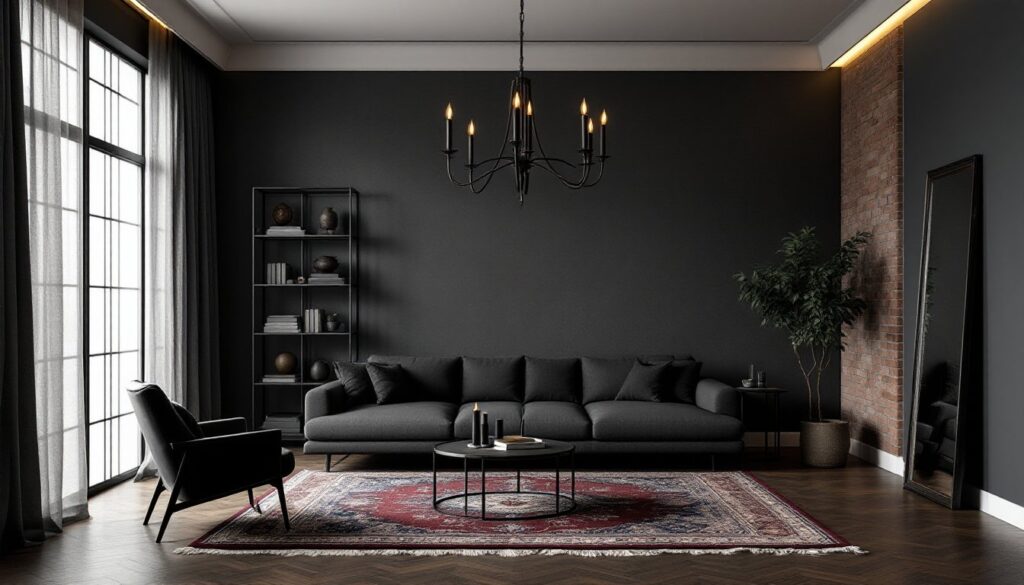

Modern gothic interior design strips away the dust and cobwebs from traditional Gothic aesthetics and rebuilds them with clean lines, contemporary materials, and livable sophistication. It’s not about recreating a Victorian mansion or leaning into costume party theatrics. Instead, it takes the drama, deep color, pointed arches, rich textures, and anchors it with minimalist restraint and functional design. The result is a style that feels moody, bold, and surprisingly versatile. Done right, modern gothic works in a loft, a suburban home, or a renovated historic building. It’s about creating atmosphere without sacrificing comfort or usability.
Table of Contents
ToggleKey Takeaways
- Modern gothic interior design balances dramatic aesthetics with contemporary restraint, using dark monochromatic palettes, clean lines, and intentional focal points rather than excessive ornamentation.
- Essential materials for modern gothic spaces include blackened metal, exposed or painted brick, dark-stained wood, and textiles like velvet and leather that add texture and warmth to cool surfaces.
- Lighting is foundational to modern gothic design—use layered sources with dimmers, wall sconces, and warm white (2700K) LEDs to create depth and mystery without relying solely on overhead fixtures.
- Modern gothic works in any room by starting with one dramatic accent element per space, such as a charcoal feature wall or statement light fixture, while keeping surrounding surfaces neutral and functional.
- Dark color applications require quality primer and at least two coats of matte or eggshell finish to achieve the saturated, moody atmosphere that defines modern gothic interiors.
- Source authentic pieces from estate sales and architectural salvage yards, but treat vintage and antique finds as sophisticated design elements rather than costume-like props to maintain the contemporary feel.
What Is Modern Gothic Interior Design?
Modern gothic blends the architectural and decorative motifs of Gothic Revival, pointed arches, vaulted ceilings, ornate ironwork, with the streamlined sensibility of contemporary design. It borrows the moodiness and drama but skips the heavy drapes and excessive ornamentation.
Think of it as a design language where a black steel-framed window meets exposed brick, or where a contemporary sectional sits under a vintage wrought-iron chandelier. The palette stays dark but not oppressive. Surfaces are often matte or textured rather than glossy. Lines are deliberate, not cluttered.
This style doesn’t require period architecture. A standard drywall box can adopt modern gothic traits through thoughtful material choices, color application, and lighting. It’s more about cultivating a particular mood, introspective, elegant, slightly mysterious, than copying a specific historical template.
Unlike maximalist Gothic Revival, modern gothic favors restraint. One dramatic element per room often does the job: a feature wall in charcoal plaster, an oversized vintage mirror with a blackened frame, or a single statement light fixture. The rest of the room supports that focal point with neutral backdrops and clean geometry.
Key Elements of Modern Gothic Style
Color Palettes That Define the Modern Gothic Look
The color foundation is almost always dark and monochromatic: charcoal, black, deep plum, midnight blue, or forest green. These aren’t accent colors, they’re the base.
Paint coverage for deep, saturated tones typically requires two coats minimum over a quality primer, especially when covering lighter existing walls. Matte and eggshell finishes work better than satin in this style: they absorb light rather than reflect it, which enhances the moody atmosphere.
Accent colors should be used sparingly. Jewel tones like emerald, burgundy, or sapphire can appear in textiles or art, but the overall palette stays restrained. Whites and creams, when used, are usually off-white or warm gray to avoid harsh contrast.
Consider how natural light interacts with dark walls. North-facing rooms may feel cave-like without adequate artificial lighting, while south-facing spaces can handle deeper shades more easily. Testing paint samples in different lighting conditions is non-negotiable.
Essential Materials and Textures
Materials carry the weight in modern gothic spaces. The tactile quality of surfaces, rough, smooth, cold, warm, creates depth that color alone can’t achieve.
Metal is a cornerstone: blackened steel, wrought iron, brushed brass, or oil-rubbed bronze. These appear in light fixtures, stair railings, cabinet hardware, and furniture frames. Avoid shiny chrome or polished nickel: they read too contemporary and lack the historical resonance.
Stone and masonry ground the aesthetic. Exposed brick (painted black or left natural), slate tile, or honed marble in dark gray tones all fit. If working with drywall, consider Venetian plaster or textured paint techniques to add visual interest without actual stonework.
Wood should be dark-stained or ebonized. Oak, walnut, or reclaimed timber with visible grain works well. Avoid blonde woods or high-gloss finishes. For flooring, wide-plank hardwood in espresso or charcoal stain is ideal: if budget is tight, luxury vinyl plank (LVP) in a matte dark wood finish offers a convincing alternative.
Textiles add necessary warmth: velvet, leather, linen, and wool. Velvet especially, whether on a sofa, curtains, or throw pillows, brings both visual richness and sound absorption, which helps balance the acoustic harshness of hard surfaces like stone and metal.
Glass appears in the form of leaded or frosted panels, Gothic-inspired windows, or even modern interpretations like black steel-framed interior doors. Mirrors with antique or distressed frames also play a functional role, bouncing limited light around dark rooms.
How to Incorporate Modern Gothic Design in Every Room
In the living room, start with the largest surface: walls. A charcoal or black feature wall behind the sofa or fireplace creates instant impact. If painting all walls feels too intense, try a board-and-batten accent wall in matte black over a lighter base color.
Furniture should have strong lines and low profiles. A black leather sectional or a charcoal linen sofa anchors the space. Add a vintage Persian or Turkish rug with dark red and navy tones to soften the floor without breaking the palette. Iron or steel shelving units work better than traditional wood bookcases.
In the bedroom, focus on textiles and lighting. A black upholstered headboard in velvet or linen sets the tone. Layer bedding in charcoal, plum, and cream. Blackout curtains, both functional and atmospheric, help control light and maintain the moody vibe.
Consider an accent ceiling painted in deep navy or charcoal, which draws the eye up and adds dimension. This works especially well in rooms with standard 8-foot ceilings that can feel cramped with dark walls alone.
Kitchens are trickier but not off-limits. Matte black cabinetry paired with honed black granite or soapstone countertops creates a dramatic, cohesive look. Balance it with open shelving in blackened steel and a white or cream tile backsplash to prevent the space from feeling oppressive. Brass or bronze hardware and faucets warm the palette.
In the bathroom, consider black hexagonal floor tile, a freestanding clawfoot tub (painted black if you’re bold), and matte black fixtures. Pair with white subway tile or marble to maintain enough contrast for the space to feel clean. Adequate ventilation is critical, dark, enclosed bathrooms can feel claustrophobic without good airflow and lighting.
Home offices benefit from interior design strategies that balance drama with function. A charcoal accent wall behind a desk, black steel shelving, and vintage brass task lighting create focus without distraction. Avoid overly ornate pieces that compete for attention.
Furniture and Decor Pieces for a Modern Gothic Home
Furniture should feel substantial without being overwrought. Low-profile sofas with clean arms and exposed wood or metal legs work better than overstuffed traditional pieces. Look for frames in walnut, ebonized oak, or powder-coated steel.
Vintage and antique pieces add authenticity. A Gothic Revival mirror, a wrought-iron bed frame, or a church pew repurposed as a bench brings historical weight without feeling like a museum. These are best sourced from estate sales, architectural salvage yards, or online marketplaces, expect to refinish or repaint to fit the palette.
For seating, leather club chairs in black or deep brown anchor a reading nook. Velvet wingback chairs in charcoal or plum work well in bedrooms or corners. Avoid busy patterns: solids or subtle textures maintain visual calm.
Coffee tables and side tables in metal and glass, especially with geometric or Gothic-inspired bases, fit naturally. A marble-top console table with a black steel base serves double duty as both storage and display.
Decor should be selective. A single large-scale piece of art, abstract, moody photography, or dark landscapes, creates more impact than a gallery wall. Sculptural objects in metal, stone, or bone add interest to shelves without clutter.
Candles and candelabras are functional decor. Black taper candles in iron holders or vintage candelabras contribute both light and atmosphere. Similarly, incorporating elements from top interior design trends can keep the aesthetic fresh and relevant.
Avoid kitschy Halloween decor or literal skull-and-crossbones motifs. Modern gothic is sophisticated, not costume-y. If you’re using taxidermy, antlers, or bones, treat them as sculptural objects, not thematic props.
Lighting Strategies to Enhance the Gothic Atmosphere
Lighting is where modern gothic lives or dies. Dark interiors demand layered, intentional lighting, ambient, task, and accent sources working together.
Chandeliers and pendants are the most obvious gothic gestures. A wrought-iron chandelier, a black steel geometric pendant, or vintage candelabra-style fixtures establish tone immediately. For an 8-foot ceiling, keep fixtures under 24 inches in diameter to avoid overwhelming the space. Higher ceilings can accommodate larger, more dramatic pieces.
Install chandeliers on a dimmer switch. Full brightness kills the mood: dialed down to 40–60%, the same fixture creates warmth and mystery.
Wall sconces add ambient light without taking up floor or table space. Black or bronze sconces with Edison bulbs or candle-style fixtures evoke the period without being literal reproductions. Place them 60 to 66 inches from the floor for optimal light distribution.
Table and floor lamps provide task lighting. Look for bases in blackened metal, dark ceramic, or carved wood. Shades should be opaque or dark fabric to direct light downward rather than diffusing it broadly.
For accent lighting, consider LED strip lighting hidden behind floating shelves, under cabinets, or along baseboards. Warm white (2700K) works better than cool white: it softens the hard edges of metal and stone. This is a modern touch that integrates seamlessly without breaking the aesthetic.
Natural light should be controlled, not blocked. Sheer black or charcoal curtains filter daylight while maintaining privacy. Heavy velvet drapes layered over sheers allow full flexibility, open during the day for diffused light, closed at night for drama.
Avoid overhead recessed lighting as the sole source. It flattens the space and erases the shadows that give gothic interiors their depth. If recessed cans are already installed, use them sparingly and supplement with multiple decorative fixtures.
For those learning how to interior design a cohesive space, lighting is often the most underestimated element. In modern gothic, it’s foundational. Designers at publications like Design Milk frequently showcase how strategic lighting transforms minimalist or dramatic interiors.
Wear safety glasses when installing overhead fixtures, especially when working with old plaster or drywall that may release dust. Turn off power at the breaker, not just the switch, before any electrical work. If you’re uncomfortable with wiring, hire a licensed electrician, improper installation is a fire hazard and violates NEC (National Electrical Code) standards in most jurisdictions.
Finally, consider the rise of aesthetics like Castlecore, which shares thematic DNA with modern gothic but leans heavier into medieval romanticism. Modern gothic borrows the mood but keeps the execution contemporary and livable.
For broader inspiration on contemporary approaches to bold interiors, resources like Decoist offer visual case studies that bridge historical influence and modern function. Exploring interior design techniques from varied sources helps refine your eye and avoid common pitfalls like over-theming or sacrificing usability for aesthetics.
Modern gothic isn’t a weekend project. It’s a deliberate, layered approach that rewards patience and restraint. Start with one room, nail the palette and lighting, then expand. Done well, it creates spaces that feel both dramatic and deeply personal, rooms that don’t just look interesting but actually feel like somewhere worth spending time.