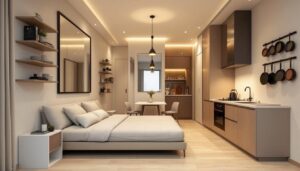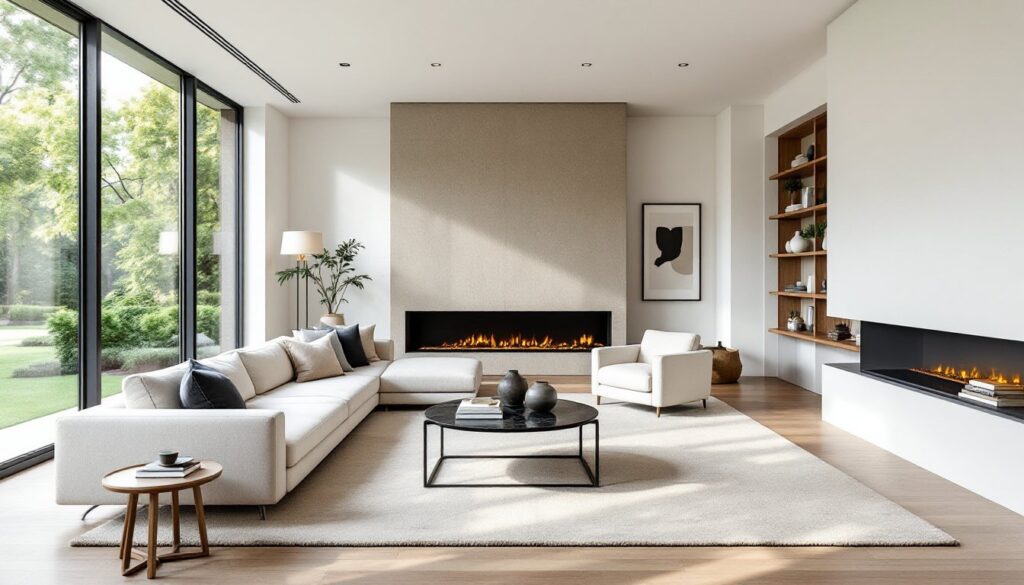

Luxury modern interior design isn’t about throwing money at expensive furniture and calling it a day. It’s about creating spaces that balance clean lines, quality materials, and thoughtful details to deliver both comfort and visual impact. The aesthetic has evolved beyond cold minimalism, today’s luxury modern homes feel warm, livable, and deliberately curated. Whether planning a full renovation or refreshing a single room, understanding the core principles helps homeowners make smart choices that deliver lasting results without chasing fleeting trends.
Table of Contents
ToggleKey Takeaways
- Luxury modern house interior design balances clean lines, quality materials, and thoughtful details to create warm, livable spaces that go beyond cold minimalism.
- Premium materials like natural stone, honed marble, wide-plank hardwood floors, and European-style cabinetry are essential separators that elevate design from budget modern to true luxury.
- Layered lighting with recessed LEDs, statement fixtures, and dimmer controls provides both ambiance and dramatic impact while warm white bulbs (2700K-3000K) create inviting residential spaces.
- Neutral color palettes with subtle shifts in tone—such as warm greige paired with cool gray stone and warm wood—deliver visual dimension without monotony in luxury modern interiors.
- Luxury modern furniture prioritizes clean lines and solid construction over ornament, with proper scale and spacing (30-36 inches of clearance for walkways) essential for open-plan rooms.
- Hiring licensed professionals for structural changes, electrical work, and plumbing ensures code compliance and protects your investment in luxury modern home design.
What Defines Luxury Modern Interior Design?
Luxury modern design merges minimalist principles with high-end materials and precise craftsmanship. The style emphasizes open floor plans, neutral color schemes, and architectural details that speak for themselves. Unlike traditional luxury that leans on ornamentation and heavy drapery, modern luxury achieves richness through texture, proportion, and restraint.
Key characteristics include floor-to-ceiling windows that maximize natural light, hidden storage to maintain clean sightlines, and a mix of organic and manufactured materials. Think honed marble paired with blackened steel, or wide-plank white oak floors against textured plaster walls. The goal is visual calm without sterility.
This approach requires careful planning. Structural changes like removing walls to create open layouts often need engineered beams and permits, consult a structural engineer if load-bearing walls are involved. Electrical work for recessed lighting or integrated systems should meet NEC standards and typically requires licensed electricians in most jurisdictions.
Essential Elements of Luxury Modern Interiors
Premium Materials and Finishes
Material selection separates budget modern from true luxury. Natural stone, marble, granite, quartzite, anchors kitchens and bathrooms with permanence. For countertops, expect slabs to run 2 cm or 3 cm thick: the latter offers more durability and visual weight. Honed or leathered finishes provide sophistication without the high-gloss sheen that can read as dated.
Hardwood flooring in wide planks (7″ to 10″) delivers contemporary scale. White oak, walnut, and European oak are popular for their grain patterns and ability to take custom stains. Site-finished floors allow for precision color matching, though engineered options have improved dramatically and handle moisture better in basements or over radiant heat.
Wall treatments matter. Venetian plaster, limewash, or even high-quality matte paint in carefully chosen neutrals creates depth. Avoid builder-grade eggshell everywhere, use flat or matte finishes on ceilings and walls for a refined look, reserving satin for trim if desired. According to professionals at Architectural Digest, layering textures through wall finishes is one of the most effective ways to add luxury without clutter.
For cabinetry, frameless construction (also called European-style) with integrated pulls or push-to-open mechanisms maintains sleek lines. Solid wood or high-quality plywood boxes with hardwood veneer fronts outlast particleboard. Applying effective design strategies ensures these material choices work cohesively across the home.
Strategic Lighting for Ambiance and Drama
Lighting defines luxury spaces as much as materials. Layered lighting, ambient, task, and accent, provides flexibility and mood control. Recessed LED downlights work for general illumination, but they shouldn’t be the only source. Add linear LED strips in coves or under cabinets for indirect glow, and use statement fixtures as sculptural elements.
Dimmer switches are non-negotiable. Install 0-10V or TRIAC dimmers compatible with LED loads to avoid flickering. Smart systems like Lutron or Control4 offer scene programming, but they add cost and complexity, decide if the investment aligns with how the home will actually be used.
Pendant lights over kitchen islands or dining tables should hang 30″ to 36″ above the surface for proper clearance and light distribution. For living areas, floor and table lamps with linen or silk shades soften the overall lighting scheme. Avoid matching sets, mix metals and shapes while keeping the scale consistent.
Color temperature matters. Warm white LEDs (2700K to 3000K) create inviting residential spaces, while cooler temps can feel institutional. Test bulbs in the actual space before committing to dozens of fixtures.
Color Palettes That Exude Modern Luxury
Modern luxury palettes anchor in neutrals, whites, grays, beiges, and blacks, but avoid the mistake of going entirely monotone. Successful schemes layer multiple neutral tones with subtle shifts in undertone. A warm greige on walls pairs with cool gray stone and warm wood tones for dimension.
White isn’t just white. Benjamin Moore’s White Dove reads warmer than Chantilly Lace, which is crisp and clean. Sherwin-Williams’ Alabaster has a slight beige undertone that works well with contemporary wood finishes. Test large swatches (at least 2′ x 2′) on multiple walls and observe them throughout the day as light changes.
Accent colors should be used sparingly, a charcoal gray accent wall, deep navy cabinetry in a powder room, or black window frames for contrast. Many current design trends emphasize earth tones like terracotta, olive, and ochre as accents that feel grounded rather than trendy.
Metallic finishes act as neutrals in modern luxury. Brushed brass, matte black, polished nickel, and aged bronze can coexist if distributed thoughtfully, pick two or three and stick with them across hardware, lighting, and plumbing fixtures. Mixing metals works, but it requires intention, not randomness.
Paint sheen affects color perception. Flat finishes absorb light and make colors appear richer, while higher sheens reflect light and can shift undertones. For walls, a matte or eggshell finish typically works best in living areas, with satin or semi-gloss reserved for trim and high-moisture areas.
Furniture Selection for Contemporary Elegance
Luxury modern furniture prioritizes clean lines, quality construction, and proportion over ornament. Look for pieces with solid joinery, dovetail drawers, mortise-and-tenon frames, kiln-dried hardwood. Upholstered furniture should have eight-way hand-tied springs or high-density foam (at least 1.8 lbs/cubic foot) for longevity.
Scale is critical. Oversized sectionals work in open-plan great rooms, but they overwhelm smaller spaces. Measure carefully and leave at least 30″ to 36″ of clearance for walkways. Low-profile sofas and platform beds reinforce horizontal lines and make rooms feel more expansive.
Materials should echo the overall palette, leather, linen, bouclé, and performance fabrics in neutral tones. Avoid busy patterns: texture does the heavy lifting here. A nubby linen sofa, smooth leather chairs, and a wool rug provide visual interest without pattern overload.
Coffee tables, consoles, and dining tables in natural wood, stone, or metal with simple bases work best. Glass tops can feel dated unless paired with sculptural bases. For dining, allow 24″ of table width per person and ensure chairs clear the apron when pushed in.
Built-in furniture, floating vanities, window seats, banquettes, integrates seamlessly and maximizes space. These typically require a finish carpenter and should be planned during the framing stage if structural support is needed. According to Dwell, built-ins are a hallmark of modern luxury because they reduce visual clutter and enhance architectural impact. For those just starting, learning foundational design principles can make furniture selection less overwhelming.
Creating Luxurious Spaces Room by Room
Kitchens are often the biggest investment. Prioritize functional layout (the work triangle still matters), ample storage, and durable surfaces. Full-height backsplashes in slab stone eliminate grout lines and create impact. Appliance panels that match cabinetry maintain clean lines, consider integrated refrigeration and dishwashers. Quartz offers durability with less maintenance than marble, though natural stone remains the luxury choice for those willing to seal and care for it.
Bathrooms benefit from wet-room layouts with curbless showers and large-format tiles (12″ x 24″ or bigger) to reduce grout lines. Wall-mounted faucets and floating vanities create a spa-like feel. Heated floors (electric mats under tile are easier to retrofit than hydronic systems) add comfort without visual bulk. Frameless glass enclosures maintain openness. Proper waterproofing with membranes like Schluter or RedGard is essential, don’t skip this step or future water damage is likely.
Living rooms need furniture arranged for conversation, not just TV viewing. Float furniture away from walls to define zones in open plans. Layer rugs to anchor seating areas, 8′ x 10′ or 9′ x 12′ sizes work for most living rooms, with all front furniture legs on the rug. Use varied design techniques to create visual interest through height variation and focal points like fireplaces or art walls.
Bedrooms should be restful, which means fewer items and softer textures. Upholstered headboards, blackout shades or drapes, and bedside tables at mattress height create comfort. Built-in closets with custom organizers maximize storage and maintain the clean aesthetic. Skip overhead lighting in favor of bedside lamps and wall sconces with dimmers.
Home offices need task lighting, ergonomic seating, and ample surface area. A 30″ deep desk accommodates monitors and paperwork comfortably. Use acoustic panels or heavy drapes to dampen sound in open-plan homes. Cable management built into desks or walls prevents visual clutter, conduit run during construction makes this easier, but surface-mounted raceways work for retrofits.
Many homeowners find that exploring real-world design examples helps translate abstract ideas into actionable plans. As design experts at Elle Decor frequently emphasize, luxury is as much about restraint and intentionality as it is about budget. Using the right design tools during planning, whether digital software or physical samples, reduces costly mistakes and helps visualize how materials and layouts will actually function.
Safety and Permits: Structural changes, electrical work beyond simple fixture swaps, and plumbing relocations typically require permits. Code requirements vary by jurisdiction, but most municipalities follow the International Residential Code (IRC) as a baseline. Hire licensed professionals for these trades, DIY electrical and plumbing work can void insurance and create hazards. Always wear appropriate PPE: safety glasses, dust masks (N95 or better for sanding and demo), gloves, and hearing protection when using power tools.