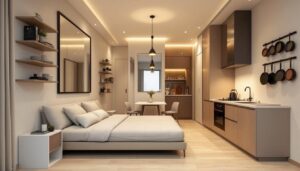

Bespoke interior design isn’t about picking colors from a catalog or choosing furniture from a showroom floor. It’s the process of creating spaces tailored precisely to how someone lives, works, and moves through their home. Every cabinet, fixture, and finish is designed and built specifically for that space and that homeowner. Unlike mass-produced or semi-custom options, bespoke design starts with a blank sheet of paper and ends with elements that can’t be replicated or ordered online. It’s craftsmanship meeting function, and it’s more accessible than most people think.
Table of Contents
ToggleKey Takeaways
- Bespoke interior design creates fully customized spaces tailored to how homeowners live and move through their homes, with every element designed and fabricated specifically for that space rather than chosen from a catalog.
- Unlike off-the-shelf or semi-custom options, bespoke design solves specific architectural challenges such as awkward angles and non-standard dimensions that mass-produced furniture cannot accommodate.
- Bespoke interior design projects typically cost two to four times more than semi-custom work, but deliver higher quality craftsmanship, greater longevity, and one-of-a-kind pieces that reflect the homeowner’s unique aesthetic.
- The process requires significant collaboration and iteration with designers and craftspeople, involving detailed briefs, material sampling, design refinement, and timelines of 8–12 weeks or longer for fabrication and installation.
- Homeowners with DIY skills can add bespoke touches through custom shelving, closet modifications, furniture refinishing, and salvaged architectural details without requiring a large budget or team of artisans.
What Is Bespoke Interior Design?
Bespoke interior design refers to fully customized interiors where every element, from cabinetry and millwork to fixtures and furniture, is designed and fabricated specifically for a particular space and client. The term “bespoke” comes from tailoring, where garments are made from scratch to fit one person’s measurements and preferences.
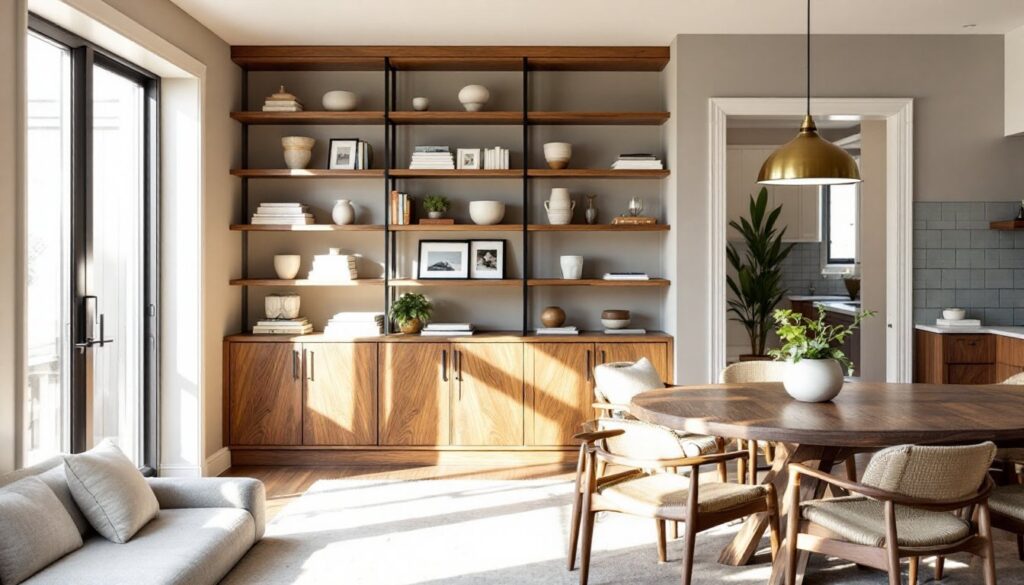
In interiors, bespoke means working with designers, craftspeople, and fabricators to create one-of-a-kind pieces that reflect the homeowner’s needs, aesthetic, and how they actually use the space. It’s not about choosing finishes from a preset list. It’s about designing a built-in bookshelf that fits an awkward alcove perfectly, or commissioning a dining table sized exactly for a specific room and number of chairs.
Bespoke work involves collaboration with artisans, cabinet makers, metal fabricators, upholsterers, and tile craftsmen, who build to exact specifications. The process takes longer and costs more than buying ready-made or even semi-custom products, but the result is a space that feels intentional, cohesive, and genuinely unique. It’s the difference between hanging stock cabinets and designing storage that accounts for the homeowner’s dish collection, appliance sizes, and daily workflow.
Key Benefits of Choosing Bespoke Interior Design
Perfect fit and function. Bespoke elements are built to exact dimensions, which means no filler panels, no wasted space, and no compromises. A bespoke closet system uses every inch of available wall height and accounts for the homeowner’s actual wardrobe, not a generic idea of what a closet should hold.
Unique aesthetic. Mass-produced furniture and finishes show up in thousands of homes. Bespoke pieces don’t. Homeowners can specify materials, joinery, hardware, and finish details that reflect their taste and the architecture of the home. That might mean walnut cabinetry with hand-cut dovetails, or steel-framed glass doors with custom pull handles.
Higher quality and longevity. Bespoke work is typically built by skilled tradespeople using solid materials, hardwood, not particleboard: mortise-and-tenon joinery, not cam locks. These pieces are designed to last decades, not just until the next trend cycle. They can also be refinished, repaired, or adapted over time.
Solves specific problems. Standard products are designed for average spaces and average users. Bespoke design solves the specific challenges of a home, awkward angles, low ceilings, narrow doorways, or unique storage needs. It’s especially valuable in older homes with non-standard dimensions or layouts that don’t align with off-the-shelf options.
How Bespoke Design Differs from Off-the-Shelf and Custom Options
Off-the-shelf products are mass-produced in standard sizes and finishes. Think IKEA cabinets, stock vanities from a big-box store, or ready-to-assemble furniture. They’re affordable and available immediately, but they don’t account for the specific dimensions or style of a home. Fit is approximate, and customization is limited to choosing from available options.
Semi-custom or “custom” products offer more flexibility. A homeowner can select cabinet door styles, finishes, and configurations from a manufacturer’s catalog, and the pieces are built to order. Many kitchen and bath retailers offer semi-custom cabinetry that fits a specific layout but still works within the constraints of the manufacturer’s system, standard box sizes, hinge types, and finish options. It’s a middle ground: better fit than stock, less expensive than bespoke.
Bespoke means starting from scratch. There’s no catalog. The designer and fabricator work together to create pieces tailored to the exact space, aesthetic, and function. Materials, dimensions, joinery, hardware, and finish are all specified individually. Bespoke projects often involve design strategies that prioritize both form and function in equal measure. A bespoke kitchen might include a custom range hood fabricated from blackened steel, cabinets sized to fit the homeowner’s cookware, and a built-in banquette designed around an existing window bay.
The cost difference is significant. Off-the-shelf is the most affordable, semi-custom costs roughly 30–50% more, and bespoke can be two to four times the price of semi-custom work, depending on materials and complexity. But the tradeoff is a finished product that fits perfectly and can’t be replicated.
Essential Elements of a Bespoke Interior Design Project
Custom millwork and cabinetry. This is the backbone of most bespoke projects. Built-in bookcases, window seats, entertainment centers, closet systems, and kitchen cabinetry are all designed to fit the exact dimensions and function of the space. Millwork can hide mechanicals, create architectural interest, and provide storage that feels integrated rather than added on.
Bespoke furniture. Commissioning a dining table, sofa, or bed frame allows homeowners to specify size, materials, upholstery, and details like leg style or cushion density. Bespoke furniture designers across the country create pieces that balance craftsmanship with the homeowner’s vision. A custom sofa can be sized to fit a narrow living room or designed with removable covers and extra-firm cushions for a household with kids and pets.
Architectural details. Bespoke design often includes custom doors, hardware, light fixtures, stair railings, and trim. These elements shape how a space feels and functions. A steel-and-glass interior door can separate a home office from a hallway without blocking light. Custom baseboards and crown molding can be proportioned to match the scale of the room and the home’s architectural style.
Unique finishes and materials. Bespoke projects allow homeowners to source materials that aren’t available through standard retailers, hand-glazed tile, reclaimed wood, live-edge stone, or custom-mixed paint colors. These materials add texture and character that can’t be found in a catalog. Working with artisans and specialty suppliers is part of the process.
Integrated technology and lighting. Bespoke design accounts for how technology fits into the home. That might mean designing a media console with hidden cable management, specifying recessed outlets in custom millwork, or planning task lighting that’s integrated into cabinetry. It’s about making modern conveniences invisible and intentional.
How to Work with a Bespoke Interior Designer
Start with a clear brief. Before meeting with a designer, homeowners should document how they use their space, what isn’t working, and what they want to achieve. Photos, measurements, and a realistic budget are essential. Be specific: “We need more counter space and better lighting in the kitchen” is more useful than “We want a nicer kitchen.”
Expect collaboration and iteration. Bespoke design is not a one-meeting process. The designer will ask detailed questions, present concepts, and refine ideas based on feedback. Homeowners should be prepared to review drawings, material samples, and mockups. The process can take weeks or months, depending on the scope.
Budget for design fees and fabrication. Bespoke designers typically charge by the hour or a flat project fee. Fabrication costs are separate and depend on materials, complexity, and the craftspeople involved. A custom kitchen might cost $50,000–$150,000 or more, depending on size, materials, and finishes. Regional labor rates and material availability affect pricing, and costs have fluctuated significantly in recent years.
Understand timelines. Bespoke work takes time. Custom cabinetry can take 8–12 weeks to fabricate after drawings are finalized. Furniture can take 12–16 weeks or longer. Factor in design time, material lead times, and installation. Rush fees may apply, but they’re expensive and not always possible.
Vet craftspeople and fabricators. Ask to see past work, check references, and visit the shop if possible. Good fabricators communicate clearly about timelines, costs, and any design constraints. They should be able to explain how a piece will be built, what joinery they’ll use, and how the finish will be applied. Professionals comfortable with design techniques can often suggest improvements or alternatives that save money without compromising quality.
DIY Bespoke Design: Adding Custom Touches on Any Budget
Not every bespoke element requires a five-figure budget or a team of artisans. Homeowners with solid DIY skills can add custom touches that make a space feel intentional and tailored.
Built-in shelving. A simple built-in bookshelf using ¾-inch plywood, 1×2 face frames, and adjustable shelf pins can be constructed over a weekend. It won’t have the hand-cut dovetails of a custom cabinet, but it will fit the space exactly and can be painted or stained to match the room. Measure carefully, use a level, and anchor to wall studs for stability.
Custom closet systems. DIY closet kits from retailers like Elfa or ClosetMaid offer semi-custom flexibility, but a fully bespoke closet can be built using melamine or plywood, closet rods, and basic hardware. Design the layout on paper first, accounting for hanging clothes, folded items, and shoes. Cut dados for fixed shelves using a router or circular saw with a guide. Finish exposed edges with iron-on edge banding.
Furniture modifications. An off-the-shelf piece can be customized with new hardware, legs, or upholstery. Swap generic drawer pulls for handmade ceramic or brass knobs. Replace furniture legs with hairpin legs, tapered wood legs, or metal bases. Reupholster a chair with a fabric that matches the room’s palette. These small changes create a more cohesive, intentional look.
Custom paint and finishes. Many paint retailers will mix custom colors to match a sample or a specific formula. A homeowner can also create custom finishes using techniques like color washing, lime wash, or staining raw wood with custom-mixed dye. Test on scrap material first. People learning how to approach design often find that custom color is one of the easiest ways to make a space feel unique.
Architectural salvage and repurposing. Old doors, windows, and hardware can be integrated into new projects. A salvaged door can become a headboard or tabletop. Vintage hardware can replace builder-grade knobs and hinges. It takes patience to source and adapt these materials, but the result is character that can’t be bought new.
Safety and skill assessment. DIY bespoke projects often involve power tools, precise measurements, and finishing techniques. Wear appropriate PPE, safety glasses, hearing protection, and a dust mask when cutting or sanding. If a project involves structural changes, electrical work, or plumbing, check local codes and consider whether a permit or licensed professional is required. A poorly built cabinet is fixable, but a structural issue or code violation isn’t. Exploring helpful design tools can streamline planning and visualization before cutting any materials.
Conclusion
Bespoke interior design is about creating spaces that fit the way someone actually lives, not the way a catalog suggests they should. It requires more time, more collaboration, and more investment than off-the-shelf solutions, but the payoff is a home that feels genuinely custom. Whether working with skilled artisans or tackling DIY design ideas on a budget, the goal is the same: spaces that are intentional, functional, and built to last.