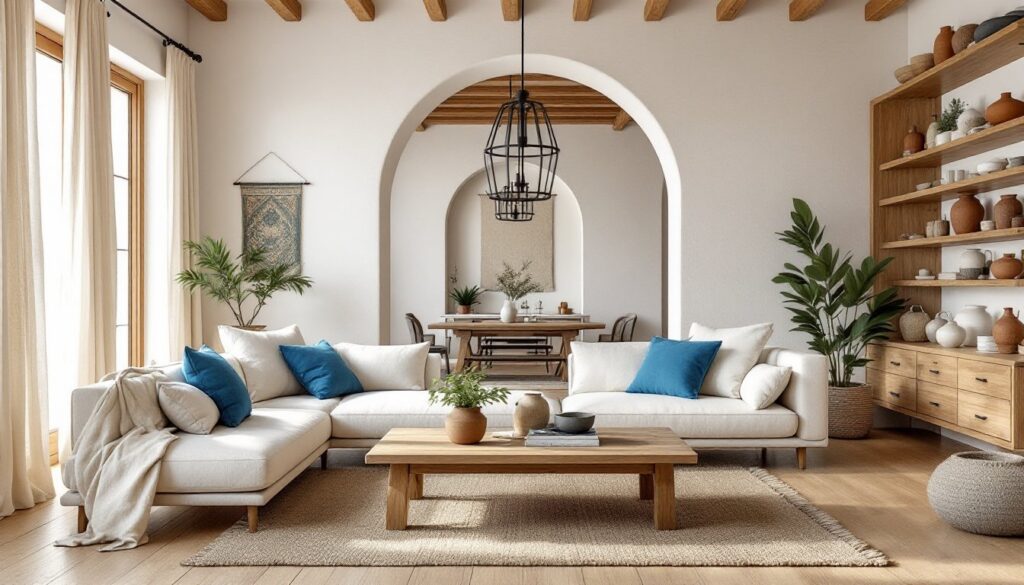

Modern Mediterranean interior design captures the warmth of coastal living while embracing contemporary simplicity. This style blends the best of traditional Mediterranean elements, arched doorways, natural materials, sun-drenched palettes, with clean lines and functional layouts that fit today’s homes. Whether renovating a single room or reimagining an entire floor plan, homeowners can bring this timeless aesthetic indoors with practical choices that don’t require a complete gut job. The look works in everything from suburban ranches to urban lofts, proving that Mediterranean design isn’t just for villas overlooking the sea.
Table of Contents
ToggleKey Takeaways
- Modern Mediterranean interior design blends traditional coastal elements like natural stone and arched doorways with contemporary minimalism and clean lines for a breezy, functional aesthetic.
- Natural materials such as travertine, limestone, wood, and textured plaster form the foundation of this style, with large-format tiles and exposed beams adding architectural character without clutter.
- A color palette of warm whites, creams, and sandy beiges paired with accent colors like azure blue, olive green, and terracotta creates visual harmony without overwhelming the space.
- Start implementing modern Mediterranean design in kitchens and living areas by incorporating open shelving, low-profile furniture, and layered textiles that prioritize light flow and negative space.
- Authentic Mediterranean decor should feel collected and one-of-a-kind—shop estate sales and antique markets rather than mass-produced pieces, and add greenery in terracotta planters to bring outdoor freshness indoors.
- Warm, layered lighting with dimmable LED bulbs (2700K–3000K) and fixtures in oil-rubbed bronze or aged brass completes the style, while professional installation is recommended for structural features like arched doorways and exposed beams.
What Is Modern Mediterranean Interior Design?
Modern Mediterranean interior design takes inspiration from countries bordering the Mediterranean Sea, Greece, Italy, Spain, Morocco, and southern France, but strips away heavy ornamentation in favor of streamlined forms. Think whitewashed walls, textured plaster finishes, wrought iron accents, and natural stone, all balanced with mid-century furniture silhouettes and neutral color blocking.
Unlike traditional Mediterranean interiors loaded with carved wood furniture and ornate tilework, the modern version emphasizes negative space, light flow, and edited decor. It’s less about recreating a specific region and more about capturing the feeling: breezy, warm, and connected to the outdoors.
This style suits open-concept layouts and homes with decent natural light. If working with darker rooms or limited windows, focus on reflective surfaces, polished concrete, glossy tiles, light-colored plaster, to bounce what light is available. The goal is a space that feels airy without sacrificing character.
Key Elements That Define Modern Mediterranean Style
Natural Materials and Earthy Textures
Natural stone, wood, and plaster anchor the material palette. Travertine, limestone, and terracotta tiles appear on floors and accent walls. For flooring, large-format tiles (12″×24″ or bigger) give a cleaner, more contemporary look than small mosaics.
Wood should feel rustic but not distressed. Look for oak, walnut, or reclaimed pine with visible grain, skip the glossy polyurethane finishes. Exposed ceiling beams (actual structural or faux box beams) add architectural weight without cluttering sightlines. If installing faux beams, secure them to ceiling joists with construction adhesive and finish screws: they’re lighter than solid timber but need proper blocking to stay put.
Textured walls set this style apart. Consider lime-based plaster or Venetian plaster for a hand-troweled, slightly uneven surface that catches light. These finishes require skill, hire a plasterer if this is a first attempt, or practice on a closet wall first. Standard drywall with a heavy knockdown texture and matte paint offers a budget-friendly alternative. Techniques like layering natural textures enhance warmth without overwhelming minimalist layouts.
Color Palettes: From Ocean Blues to Terracotta Warmth
Modern Mediterranean palettes lean on whites, creams, warm grays, and sandy beiges as base colors, accented with deeper tones inspired by the landscape: azure blues, olive greens, burnt sienna, and ochre yellows.
For walls, choose warm whites with subtle undertones (look for paints labeled “linen white” or “alabaster”). Cool whites can feel sterile in this context. Accent walls in terracotta or deep blue work in living rooms or bedrooms: use low-VOC interior latex in an eggshell or matte finish for easier touch-ups.
Textiles and accessories bring in color. Navy or indigo throw pillows, rust-colored linen curtains, and olive-green ceramics layer the palette without requiring a repaint every few years. Avoid high-contrast combinations or overly bright hues, this isn’t a maximalist style. Interior design techniques like balancing warm and cool tones help maintain visual harmony.
How to Create Modern Mediterranean Rooms in Your Home
Start with the kitchen and living areas, these rooms benefit most from open, light-filled layouts typical of Mediterranean design. If undertaking a remodel, consider removing non-load-bearing walls (consult a structural engineer or contractor first) to create better flow between spaces.
In the kitchen, swap upper cabinets for open shelving on at least one wall. Use 1½” thick wood shelves or metal brackets with solid wood planks (poplar or oak, 10″–12″ deep). Display everyday dishes, glassware, and pottery in earth tones. If keeping upper cabinets, choose flat-panel doors in white or natural wood, skip ornate molding.
For countertops, soapstone, honed marble, or butcher block fit the aesthetic better than polished granite. Soapstone requires periodic mineral oil application: butcher block needs sealing with food-safe mineral oil or a hardwax finish. Both develop patina over time, which suits the style.
In living rooms, prioritize low-profile furniture and layered textiles. A linen-upholstered sofa, jute or sisal area rug, and a reclaimed wood coffee table create a foundation. Add floor cushions or a leather pouf for flexible seating. Hang lightweight linen or cotton curtains (not heavy drapes) on simple rods, allow them to puddle slightly on the floor for a relaxed look.
Bathrooms can incorporate zellige or terracotta tiles on floors or shower surrounds. Zellige tiles (handmade Moroccan clay tiles) have slight color variation and irregular edges: they’re best installed by an experienced tile setter due to inconsistent sizing. For a DIY-friendly option, use machine-made terracotta or encaustic-look porcelain tiles. Stick to a running bond or herringbone pattern, complex mosaics can look busy in small spaces.
Bedrooms benefit from minimal furniture and soft, breathable linens. A low platform bed or simple wood frame, a pair of nightstands, and a woven basket for storage keep the space uncluttered. Choose linen or cotton bedding in natural or white tones: layer with a lightweight wool or cotton blanket in a muted accent color.
Furniture and Decor Choices for Authentic Mediterranean Flair
Modern Mediterranean furniture combines rustic Mediterranean pieces with mid-century modern silhouettes. Look for chairs and sofas with tapered wood legs, clean lines, and natural upholstery, linen, cotton canvas, or leather. Avoid overstuffed sectionals or furniture with fussy details.
Dining tables should be solid wood, oak, walnut, or pine, with a simple base. A rectangular farmhouse-style table seats six to eight comfortably: pair it with a mix of chairs (wood ladder-backs and upholstered end chairs) for an eclectic but cohesive look. Metal or wicker bistro chairs also work for smaller dining nooks.
For storage, opt for open shelving, woven baskets, and simple wood cabinetry. Rattan or seagrass baskets (12″–16″ diameter) corral clutter while adding texture. Wall-mounted wood shelves with iron brackets display books, ceramics, and small plants without eating floor space.
Decor should feel collected, not matched. Hand-thrown pottery, woven wall hangings, and vintage Mediterranean textiles add character. Visit estate sales, antique shops, or online marketplaces for one-of-a-kind pieces, mass-produced “Mediterranean” decor often misses the mark. Terracotta pots (unglazed, in varying sizes) work as planters or standalone sculptural elements.
Greenery is essential. Olive trees, fiddle-leaf figs, or large potted succulents bring the outdoors in. Use terracotta, ceramic, or concrete planters, skip plastic. If installing larger plants, ensure pots have drainage holes and use potting mix appropriate to the plant species. Overwatering in non-draining pots kills more houseplants than anything else.
Mirrors with wrought iron or wood frames reflect light and expand visual space. Hang a large mirror opposite a window to maximize natural light. Secure heavy mirrors to wall studs with appropriate hardware (toggle bolts for drywall, masonry anchors for plaster or concrete).
Lighting and Architectural Features That Capture the Look
Lighting should feel warm and layered, not harsh or uniform. Wrought iron chandeliers, pendant lights with linen shades, and ceramic table lamps all suit the style. Choose fixtures with warm-toned metal finishes, oil-rubbed bronze, aged brass, or matte black, over polished chrome.
For overhead lighting, install dimmable LED bulbs (2700K–3000K color temperature) to mimic the warm glow of incandescent bulbs. A chandelier over the dining table should hang 30″–36″ above the surface: pendants over a kitchen island need 30″–40″ clearance. If replacing fixtures, turn off the circuit breaker first and use a voltage tester to confirm power is off, electrical work beyond swapping a fixture may require a licensed electrician, depending on local codes.
Wall sconces provide ambient lighting without taking up table space. Position them 60″–66″ from the floor in hallways or flanking a bed. Wired sconces require access to junction boxes: plug-in versions offer flexibility if running new wiring isn’t feasible.
Architectural details make the biggest impact. Arched doorways and niches define Mediterranean design but aren’t simple DIY projects. Framing an arch requires cutting and sistering studs, installing a curved header, and finishing with drywall or plaster, this is structural work. Hire a contractor or carpenter unless experienced with framing. Faux arches (applied molding) offer a cosmetic workaround but lack the depth of true archways.
Exposed wood beams (real or faux) add texture to flat ceilings. True exposed beams require engineering analysis to confirm the ceiling structure can support removal of drywall and additional load. Faux box beams made from lightweight wood or foam are easier: measure and cut three-sided boxes, attach to ceiling blocking with screws, then stain or paint to match. Use a stud finder to locate ceiling joists: secure blocking perpendicular to joists before installing beams.
Tile or stone accents, a backsplash, fireplace surround, or accent wall, ground the space in natural materials. Installing tile requires proper substrate (cement board for wet areas, drywall or plaster for dry), thin-set mortar, grout, and sealant. Use a wet saw for clean cuts on stone or porcelain: score-and-snap tile cutters work for softer ceramics. Following established design principles ensures a polished final result.
Stucco or plaster exterior finishes extend the Mediterranean aesthetic outdoors. If tackling exterior work, check local building codes, some jurisdictions require permits for facade changes. Stucco application is labor-intensive and best left to professionals unless there’s prior masonry experience. Even small patches require matching texture and color, which takes practice.
For inspiration, browsing curated home design galleries showcases how professionals balance authenticity with modern functionality.