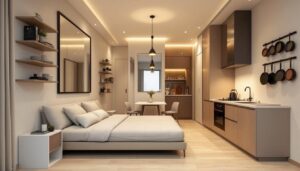
Bellevue’s interior design scene reflects the city’s unique position between Seattle’s urban energy and the Pacific Northwest’s natural beauty. Homeowners here balance high-tech careers with a deep appreciation for mountain views, lakefront living, and the kind of light that makes floor-to-ceiling windows non-negotiable. Whether someone’s renovating a mid-century rambler in Surrey Downs or updating a downtown condo, understanding what works in this microclimate, both culturally and physically, makes the difference between a house that looks good on Instagram and one that actually functions for year-round living.
Table of Contents
ToggleKey Takeaways
- Bellevue interior design prioritizes maximizing views of Lake Washington and the Cascades through open floor plans, minimal window treatments, and strategic furniture placement.
- Pacific Northwest climate demands moisture-resistant materials like properly sealed hardwood, quartz countertops, and mold-preventive ventilation systems throughout the home.
- Modern Pacific Northwest and contemporary luxury styles dominate Bellevue, both emphasizing natural materials, neutral palettes with bold accents, and understated luxury over flashy showiness.
- High-quality storage solutions, including built-in cubbies and custom millwork ($150–$400 per linear foot), are essential for managing outdoor gear and technology in Bellevue homes.
- Layered lighting with warm LED bulbs (2700K–3000K) compensates for gray overcast skies and prevents interior spaces from feeling dim during the region’s long winter months.
- Room-specific investments like kitchen remodels ($50,000–$150,000 with performance fabrics) and basement moisture management (calcium chloride testing and vapor barriers) are critical for long-term durability and comfort.
What Makes Bellevue Interior Design Unique?
Bellevue sits at the intersection of tech wealth, outdoor culture, and Pacific Northwest pragmatism. That combination creates design priorities other regions don’t share.
First, the views matter. Homes in neighborhoods like Meydenbauer Bay, Clyde Hill, and Vuecrest command premium prices specifically because of sight lines to Lake Washington, the Cascades, or the Olympic range. Interior layouts prioritize those views, think open floor plans, minimal window treatments, and furniture arrangements that don’t block glass. It’s not just aesthetic: it’s a lifestyle choice rooted in the region’s connection to nature.
Second, the climate demands specific material choices. Bellevue gets roughly 36 inches of rain annually and maintains high humidity from October through May. Hardwood flooring needs proper acclimation and sealing. Textiles benefit from moisture-resistant treatments. Mold and mildew are real concerns in bathrooms and basements, so ventilation isn’t optional, it’s structural.
Third, the tech economy shapes expectations. Bellevue homeowners often work in industries that value clean lines, efficiency, and innovation. That translates into interiors that lean modern, with smart home integration, concealed storage, and finishes like quartz countertops, matte black fixtures, and European cabinetry. The design strategies that work here emphasize function as much as form.
Finally, there’s a quiet preference for understated luxury. Flashy doesn’t play well in the Pacific Northwest. Homeowners invest in high-quality materials, solid walnut built-ins, stone tile, wool rugs, but they skip the gilt and gloss. It’s wealth signaled through craftsmanship, not showiness.
Popular Interior Design Styles in Bellevue Homes
Bellevue’s design landscape isn’t monolithic, but two styles dominate the conversation: modern Pacific Northwest and contemporary luxury. Both reflect the region’s values, but they take different routes.
Modern Pacific Northwest Aesthetic
This style pulls directly from the region’s geography. Think natural wood tones, stone accents, and a color palette borrowed from the outdoors, moss green, slate gray, charcoal, and cream. Exposed timber beams, live-edge tables, and river rock fireplaces are common.
The Pacific Northwest aesthetic also embraces texture. Linen drapes, wool throws, and jute rugs add warmth without competing with the views outside. Furniture tends toward mid-century modern silhouettes, tapered legs, clean lines, and organic shapes, often in materials like teak or walnut.
Lighting plays a critical role. Bellevue’s overcast skies mean interiors can feel dim without thoughtful design. Layered lighting, recessed cans, pendant fixtures, and table lamps, compensates for the gray months. Warm LED bulbs (2700K–3000K) replicate the glow of natural light and prevent spaces from feeling sterile.
This style also leans heavily on biophilic design, which integrates natural elements into indoor spaces. Potted ferns, fiddle-leaf figs, and snake plants aren’t just decor, they improve air quality and mental well-being. Professionals featured on platforms like Houzz often incorporate these elements into their Bellevue projects.
Contemporary Luxury and Urban Sophistication
For downtown condos and newer builds, contemporary luxury dominates. This style favors sleek surfaces, monochromatic palettes, and statement pieces. Polished concrete floors, glass railings, and floating vanities define the look.
Materials trend toward engineered options: quartz slabs with book-matched veining, porcelain tile that mimics marble, and high-gloss lacquered cabinetry. Hardware is minimal, think integrated pulls or push-to-open drawers. The goal is visual continuity, where every surface flows seamlessly into the next.
Contemporary luxury also embraces technology. Smart thermostats, motorized window shades, and integrated sound systems are standard, not upgrades. Homeowners expect their spaces to respond to voice commands and app controls.
Even though the sleek aesthetic, warmth still matters. Designers layer in texture through bouclé upholstery, faux fur throws, and matte brass accents to soften the hard edges. It’s the balance that keeps these spaces from feeling cold.
Key Design Elements for Bellevue Interiors
Certain elements show up again and again in successful Bellevue interiors. They’re not trends, they’re responses to the local environment and lifestyle.
Natural materials ground a space. Douglas fir, cedar, and hemlock are regionally sourced and age beautifully in humid climates. Stone countertops and tile, especially honed granite or soapstone, resist moisture better than softer materials like limestone.
Open floor plans remain dominant, especially in homes built or remodeled in the last two decades. Removing non-load-bearing walls between the kitchen, dining, and living areas creates sightlines and allows natural light to penetrate deeper into the home. If a wall is load-bearing, a flush beam (often engineered lumber like an LVL) can span the opening, though that requires a structural engineer’s stamp and a permit from the City of Bellevue.
Neutral palettes with bold accents define the color strategy. Base layers, walls, flooring, large furniture, stay in the greige, taupe, or soft white family. Accent colors come through in smaller doses: a burnt orange chair, navy pillows, or a charcoal feature wall. This approach allows flexibility: swapping out accessories is cheaper than repainting every few years.
Storage solutions are critical in homes where outdoor gear, tech equipment, and kids’ sports stuff accumulate fast. Built-in mudroom cubbies, pantry organizers, and garage cabinetry keep clutter out of sight. Custom millwork costs more upfront, $150–$400 per linear foot depending on materials, but it maximizes usable space in ways IKEA hacks can’t match.
For anyone exploring broader design techniques, these principles apply across styles and budgets.
Maximizing Natural Light and Views
Bellevue’s best asset is its scenery, and interiors should amplify it, not compete with it. Window placement and size are the foundation. South-facing windows capture the most daylight, critical during winter months when the sun barely clears the southern horizon. North-facing glass provides even, indirect light ideal for home offices or art studios.
Window treatments need to balance privacy with openness. Sheer linen curtains filter light without blocking views. Cellular shades (also called honeycomb shades) offer insulation during the winter while remaining nearly invisible when raised. For bedrooms, blackout roller shades behind sheers give flexibility.
Reflective surfaces multiply available light. Mirrors opposite windows bounce daylight deeper into the room. Glossy tile backsplashes, glass tabletops, and metallic light fixtures do the same. Matte finishes absorb light, so save those for accent walls or cozy spaces where a cocoon effect is desirable.
Furniture arrangement should never obstruct windows. Low-profile sofas, armless chairs, and transparent acrylic pieces maintain sightlines. If a view is the room’s focal point, arrange seating to face it, not the TV.
Finally, exterior landscaping affects interior light. Overgrown trees or shrubs can block windows and trap moisture against siding, leading to rot. Trimming branches and strategic pruning improve both light penetration and home longevity. That’s maintenance, not design, but it impacts how interiors feel.
Room-by-Room Interior Design Tips for Bellevue Homes
Different rooms have different priorities, especially in Bellevue’s climate and culture. Here’s what works.
Living rooms should prioritize comfort and durability. Performance fabrics (like Crypton or Sunbrella) resist stains and moisture, key for homes near the water or with pets. Area rugs define seating zones in open-plan spaces: an 8’×10′ rug typically fits under the front legs of sofas and chairs in a standard living room. Fireplaces are common, but many homeowners are converting wood-burning units to gas or electric inserts for convenience and air quality.
Kitchens demand serious investment. Bellevue homeowners often spend $50,000–$150,000 on full kitchen remodels, driven by high-end appliances (think Wolf, Sub-Zero, or Miele), custom cabinetry, and stone countertops. Quartz dominates because it’s non-porous and low-maintenance: granite and marble require annual sealing to prevent staining. Backsplashes in subway tile or large-format porcelain are timeless and easy to clean. For anyone learning how to interior design a kitchen, the work triangle (sink, stove, fridge) remains a useful planning tool, though modern layouts often favor zones for prep, cooking, and cleanup.
Bathrooms face moisture challenges. Exhaust fans aren’t optional, the International Residential Code (IRC) requires mechanical ventilation in bathrooms without operable windows. Porcelain or ceramic tile is the go-to for floors and wet areas: it’s waterproof, durable, and available in countless styles. Grout lines should be sealed annually to prevent mildew. Floating vanities (wall-mounted, with open space below) make small bathrooms feel larger and simplify floor cleaning.
Bedrooms benefit from blackout window treatments, especially during summer when sunrise comes before 5 a.m. Carpet remains popular for warmth underfoot, though engineered hardwood with area rugs is gaining ground. Built-in closets with adjustable shelving and hanging rods maximize storage in homes where closet space wasn’t generously planned.
Home offices became non-negotiable during the pandemic, and many Bellevue homeowners have carved out dedicated workspace. Ergonomics matter: a desk height of 28–30 inches, a monitor at eye level, and a chair with lumbar support prevent repetitive strain. Task lighting, an adjustable desk lamp or sconces, reduces eye fatigue. Acoustic panels or heavy curtains dampen echo in rooms with hard flooring, improving video call quality. Publications like Dwell frequently showcase how modern home office design blends function with aesthetics.
Basements in Bellevue often double as rec rooms or guest suites, but they require careful moisture management. Concrete slab floors should be tested for moisture vapor transmission before installing flooring: a calcium chloride test measures moisture levels. If levels exceed 3 pounds per 1,000 square feet per 24 hours, a vapor barrier or moisture-mitigating adhesive is necessary. Engineered hardwood or luxury vinyl plank (LVP) handle moisture better than solid hardwood. Dehumidifiers keep relative humidity below 60% to prevent mold.
For more room-specific ideas, resources like Decoist offer visual inspiration that translates well to Pacific Northwest homes.