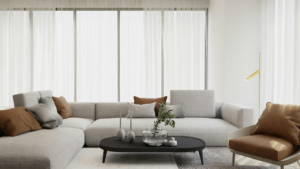
Small apartment living rooms demand smart strategy. Every square foot counts, and what works in a sprawling suburban house simply won’t cut it. Whether you’re furnishing a first place, downsizing, or just working with tight quarters, the challenge is real: how do you create a comfortable, inviting space without it feeling cramped or cluttered? The good news? Thoughtful decorating ideas for small apartment living rooms aren’t about magic, they’re about working with your constraints instead of against them. This guide covers seven proven strategies to transform a modest living room into a functional, visually spacious area that actually feels good to spend time in.
Table of Contents
ToggleKey Takeaways
- Maximize vertical space with wall-mounted shelving and storage cubes to free up floor area and make small apartment living rooms feel less cramped.
- Choose multi-functional furniture like coffee tables with hidden storage, sofa beds, and nesting tables to reduce clutter while maintaining flexibility in tight quarters.
- Use light colors, layered lighting (ambient, task, and accent), and mirrors to visually expand your space and brighten every corner.
- Create defined zones using area rugs, furniture arrangement, and lighting rather than heavy dividers to give your small living room intentional structure.
- Keep decorating ideas for small apartment living rooms minimal and intentional by respecting negative space and only adding items that improve function or beauty.
- Incorporate reflective surfaces like mirrors and metallic frames to bounce light around and create the illusion of depth without visual weight.
Maximize Vertical Space With Wall-Mounted Shelving and Storage
When floor space is limited, look up. Wall-mounted shelving pulls storage and display off the floor, instantly freeing up visual room and making the space feel less boxed-in. Floating shelves work especially well in small living rooms because they create clean lines without the bulk of traditional bookcases.
Install shelves at varying heights (not in a straight grid) to add visual interest and accommodate different item sizes. A 24-inch deep shelf works for most books and decor, while shallower 12-inch shelves suit smaller items and plants. Use a stud finder and locate wall studs, you’ll want brackets anchored directly into studs for solid support, especially if holding books or heavier objects. If studs don’t align with where you want shelves, toggle bolts or heavy-duty drywall anchors work, but they won’t handle the weight of multiple book-loaded shelves.
Consider wall-mounted cabinets or storage cubes above entertainment areas or near entryways. These give you closed storage (hiding clutter) without consuming floor footprint. Pair open shelves with closed storage to balance visual breathing room and function.
Choose Multi-Functional Furniture That Serves Multiple Purposes
In a small living room, every piece of furniture needs to earn its place. A coffee table that opens to reveal storage, an ottoman with a hinged lid, or a console table that doubles as a desk keeps the room flexible and reduces clutter. Look for small apartment interior design ideas that highlight furniture doing double duty.
Sofa beds and sleeper sectionals let guests stay over without a dedicated guest room. A low bookshelf behind a sofa acts as a room divider and storage. Nesting tables take up minimal space but expand when needed. Wall-mounted desks fold up when not in use, perfect if you work from home but don’t have a separate office.
Measure your space carefully before buying. A massive sectional might technically fit but leave no room to move. Standard sofa widths range from 72 to 84 inches: for tight rooms, consider 60-inch options or a loveseat. Depth matters too, 30 to 36 inches deep is typical, but shallow options exist if you need to shave inches. Upholstered pieces with exposed wooden legs feel less heavy than pieces that sit flush to the floor, making the room breathe.
Use Light Colors and Strategic Lighting to Expand the Space
Light walls, furniture, and accessories are proven space-expanders. Soft whites, warm beiges, and pale grays reflect light and visually enlarge rooms. This doesn’t mean sterile, you can layer in accent colors through smaller items like pillows, artwork, and textiles that are easy to swap out. Victorian style interior decorating often uses jewel tones paired with cream or white trim: in a small room, reverse this by keeping walls light and using richer colors as accents.
Lighting is equally critical. A single ceiling fixture often leaves dark corners and shadows, making the room feel smaller. Combine ambient (ceiling), task (desk lamp, reading lamp), and accent lighting (wall sconces) to brighten every corner. Layered lighting also lets you adjust mood without needing large floor lamps that consume square footage. LED strips behind floating shelves or under the TV console add subtle glow without visible fixtures.
Windows and light sources: if you have natural light, keep window treatments minimal or use sheer panels instead of heavy drapes. Mirrors positioned opposite or near windows bounce light around, amplifying brightness. High-quality interior design tips stress that bright, well-lit spaces simply feel bigger.
Create Defined Zones Without Heavy Dividers
One trap in small living rooms is that everything blurs together. Carving out zones, seating area, work corner, entryway, gives the space structure without walls. Use rugs, furniture arrangement, and lighting to signal different functional areas.
An area rug under the seating group grounds that zone visually. A 5×7 or 5×8 rug works for most small living rooms: it defines the seating area without overwhelming the space. Angle furniture to face each other rather than all toward the TV, this creates a conversational pocket that feels intentional.
For a work corner, a console table or slim desk tucked against a wall, paired with a task light, signals “this is where work happens” without requiring a room divider. If you truly need visual separation, a modern home decor approach uses open shelving, a bookcase, or a tall plant as a subtle boundary rather than a solid wall or heavy curtain rod. Furniture placement and lighting do the real heavy lifting, they define zones through rhythm and function, not physical barriers.
Incorporate Mirrors and Reflective Surfaces for Depth
Mirrors are a small-space essential. They bounce light, reflect the room back on itself, and create the illusion of depth. A large mirror opposite a window multiplies natural light and makes the room feel twice as open. Lean mirrors against walls rather than hanging them if you want to avoid finding studs for secure mounting, though wall-mounted mirrors are sturdier long-term.
Placement matters: put mirrors where they reflect something interesting, a window, artwork, or an attractive wall rather than directly at the TV or clutter. A 36-inch by 48-inch mirror works for most small rooms without looking overwhelming. Mirrored furniture pieces, like a side table or accent cabinet, also add reflectivity without the visual weight of large glass expanses.
Other reflective elements help too: metallic frames on artwork, a small glass or acrylic side table, and even glossy paint finishes (semi-gloss vs. flat) on accent walls bounce light subtly. These surfaces create layers of reflection that add sophistication and spaciousness simultaneously.
Keep Decor Minimal and Intentional
This is where ideas for a small living room in apartment succeed or fail. Clutter visually shrinks a room. Keep surfaces mostly clear: one or two decorative objects on a side table, a carefully curated bookshelf, and wall art that matters, not decoration you picked up because it was on sale.
Choose a color palette, say, warm neutrals with blue accents, and let that guide every purchase. This creates cohesion without feeling crowded. A single statement piece, like one bold artwork or a sculptural accent chair, draws the eye without multiplying visual noise.
Textiles add warmth and texture without bulk: throw pillows, a blanket, a rug. Rotate seasonal decor rather than displaying everything year-round. If you display books, group them by color or height to look intentional rather than haphazard. Plants are powerful, one large fiddle leaf fig or pothos in a corner costs less than clutter and genuinely improves air quality and mood.
Small apartment living room decor ideas that stick are those that respect negative space. An empty shelf or calm wall isn’t wasted, it’s breathing room. This restraint is harder than decoration, but it’s what separates a curated small space from a cluttered one. When you do add an item, ask: does this improve function or beauty? If not, skip it.
Conclusion
Decorating a small apartment living room isn’t about sacrificing comfort or style, it’s about precision. By working vertically, choosing furniture that serves multiple purposes, lighting strategically, and resisting the urge to overfill the space, you create a room that functions beautifully and feels genuinely spacious. Start with one idea: add floating shelves, swap a bulky side table for a multi-functional piece, or install a mirror. These layered changes compound, turning constraints into a tightly edited, personal space you’ll actually love.