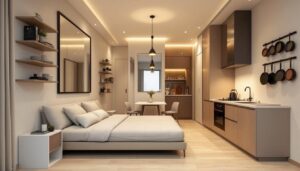
Living in a one room apartment doesn’t mean settling for cramped, cluttered, or boring. The key to transforming a compact studio or efficiency apartment into a functional, stylish home lies in smart planning and intentional choices. With thoughtful furniture placement, vertical storage, and strategic decor, you can create distinct zones, maximize every square foot, and express your personality without feeling squeezed. This guide walks you through practical one room apartment decor ideas that work in real spaces, not just Pinterest boards.
Table of Contents
ToggleKey Takeaways
- Use furniture as invisible dividers and area rugs to create distinct zones for sleeping, living, working, and dining in a one room apartment without losing the open feel of the space.
- Maximize vertical wall space with floating shelves, pegboards, and wall-mounted storage solutions to keep items accessible while preserving floor square footage in small apartments.
- Adopt a cohesive color palette with neutral base colors and layer in accent colors through textiles and accessories to make your one room apartment feel intentional and visually calm.
- Invest in multi-functional furniture like sofa beds, loft beds, nesting tables, and storage ottomans to ensure every piece earns its place in a compact studio apartment.
- Enhance your space with plants, gallery wall art, and layered lighting from multiple sources—overhead, task, and ambient—to make your one room apartment feel larger, brighter, and more personal.
Create Zones With Strategic Furniture Placement
A one room apartment is essentially a blank canvas where sleeping, living, working, and dining all happen in the same square footage. The trick is defining separate zones visually and functionally without walls.
Start by identifying where each activity will happen, then use furniture as invisible dividers. A low bookcase or shelving unit works well as a natural boundary between a sleeping area and living space, it stops short of the ceiling, keeping the room open while clearly separating zones. Angle a sofa perpendicular to the wall to create a “living room” corner, or position your bed with a small dresser alongside it to signal a distinct bedroom area.
A dining table doesn’t need its own corner. In studio apartment decorating ideas, a small 2- or 4-person table placed near the kitchen signals an eating zone without wasting floor space. Use a small area rug under the seating group to anchor each zone visually. The rug acts as a psychological boundary, our brains read it as “this is a separate area”, even though physically, it’s all one room.
Light foot traffic between zones matters too. Avoid blocking direct paths from the entry to windows or between the bedroom and bathroom. Strategic furniture placement keeps the room feeling open and naturally walkable, even when distinct areas are defined.
Use Vertical Space and Wall Storage Solutions
When floor space is limited, walls become your best friend. Vertical storage is non-negotiable in small apartment decor and shouldn’t be treated as an afterthought.
Wall-mounted shelving above the sofa, desk, or dresser keeps items visible and accessible without eating floor real estate. Floating shelves work well for books, plants, and decor. Open shelving in the kitchen area can replace a bulky cabinet or pantry. Install shelves at heights that suit your reach, standard living room shelving sits around 48–60 inches from the floor, but adjust based on what you’re storing.
Pegboards are underrated for small spaces. They’re customizable, affordable, and can hold everything from cooking utensils to office supplies to cleaning gear. A small studio apartment furniture hacks approach uses vertical pegboard solutions that collapse clutter into organized, visible zones.
Over-the-door organizers and hooks maximize closet and bathroom doors. Wall-mounted fold-down desks or side tables are lifesavers if you work from home or need a dining surface. When raised, they disappear into the wall: when lowered, they’re fully functional. Measure your wall space carefully before installing, you’ll want to avoid studs if possible, but locate them with a stud finder to anchor heavier shelving securely. Use appropriate anchors (toggle bolts for drywall, lag screws if you hit studs) to prevent shelves from sagging under weight.
Mirrors mounted on walls create the illusion of more space and bounce light around the room, making it feel larger and brighter.
Choose a Cohesive Color Palette and Lighting
Color and light shape how a one room apartment feels. A cohesive palette ties the whole space together, preventing it from looking chaotic or like multiple rooms forced together.
Neutral base colors, soft whites, warm grays, or muted beiges, keep walls and large furniture pieces calm and create visual breathing room. Layer in color through textiles, art, and accessories, which you can swap out seasonally without repainting. A bedroom corner with navy bedding and a living area with a warm terracotta throw introduce color without overwhelming a compact space.
Avoid more than 3-4 dominant colors. Think: white walls, gray sofa, wood tones, and one accent color (say, sage green or dusty blue) through pillows, art, and plants. This restraint makes the space feel intentional and cohesive, not scattered.
Lighting is equally critical, poor lighting makes any space feel smaller and gloomier. Maximize natural light by keeping windows uncluttered. Use sheer curtains or adjustable blinds that control brightness without blocking views. Layer artificial lighting with a mix of sources: overhead fixtures, table lamps on nightstands or side tables, and wall sconces to avoid relying on one harsh overhead light. Task lighting near your work area and reading lights near the bed improve functionality. A good warm-white bulb (2700K color temperature) feels inviting: cooler tones (4000K+) work for work areas but can feel sterile in living zones. How to decorate a small living room often emphasizes this balance of light and color as foundational.
Invest in Multi-Functional Furniture Pieces
In a one room apartment, every piece of furniture must earn its place. Multi-functional pieces let you have a bed, seating, and storage without doubling your square footage.
Convertible Beds and Sofas
A sofa bed or daybed serves double duty: it’s seating during the day and your bed at night, though comfort often requires compromise. If you work or spend significant time sitting during the day, prioritize a comfortable sofa, you’ll use it more hours than you sleep. Look for quality frame construction (hardwood is better than particleboard) and firm cushions that hold up over time.
Loft beds with a work desk or seating underneath maximize vertical space brilliantly. A simple platform bed frame, which requires no box spring, is slimmer than traditional beds and looks less bulky in a compact room. Invest in a quality mattress (memory foam or spring) that supports your sleep: cheap mattresses wear out fast and hurt your back.
Nesting Tables and Hidden Storage
Nesting tables give you a dining or work surface that shrinks when not in use. Pull out two tables when guests arrive: tuck them under one when eating alone. Storage ottomans look like seating but hold blankets, pillows, or seasonal gear inside. A bed frame with drawers underneath, or a platform bed with built-in storage, uses the dead space that would otherwise go unused.
Consider a storage chest at the foot of the bed, it’s visually grounded and keeps clutter contained. Credenzas (low cabinets) work as TV stands, desk surfaces, or clothing storage depending on your layout. Open shelving units with baskets combine storage with organization: the baskets corral small items while keeping the shelves visually accessible. Interior design for apartments emphasizes choosing pieces that adapt to your actual living patterns, not aspirational ones.
Add Personal Touches With Decor and Accessories
Once the functional framework is in place, small apartment decorating ideas come alive through thoughtful accessories. Personal decor makes a studio feel like your space, not a generic rental.
Plants are the easiest win: they soften hard edges, improve air quality, and add life without taking up floor space. Hang them on walls, set them on shelves, or place a tall floor plant in a corner. Even low-light tolerant plants like pothos or snake plants thrive in interior spaces.
Art and wall-mounted prints are affordable personality injectors. A gallery wall above the sofa or bed gives visual interest without clutter. Mix frame sizes and styles for an eclectic feel, or keep frames uniform for a clean, curated look. Photography or prints that reflect your interests, travel, hobbies, people you love, make the space genuinely yours.
Textiles add warmth and define zones. A throw blanket on the sofa, coordinating pillows, and a bedroom area rug layer texture and color without major commits. Swap them seasonally to refresh the space without redecorating.
Storage that’s also decorative, beautiful baskets, vintage suitcases, or woven cubes, keeps the room organized while looking intentional. Label baskets by contents (winter clothes, work files, hobby supplies) so you know what’s where.
Lighting fixtures themselves are decor. A stylish pendant over a work table or bedside sconce makes a statement while serving a purpose. String lights, modern floor lamps, or table lamps with interesting shades add personality and break up empty wall space. Interior Design Ideas to Transform Your Living Space often highlights how accessories and lighting shape a room’s mood and functionality. Resources like Addicted 2 Decorating showcase budget-friendly decor hacks and finishing touches that turn studio apartments into homes.