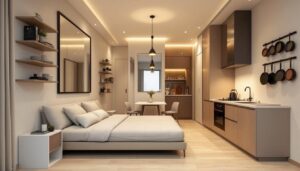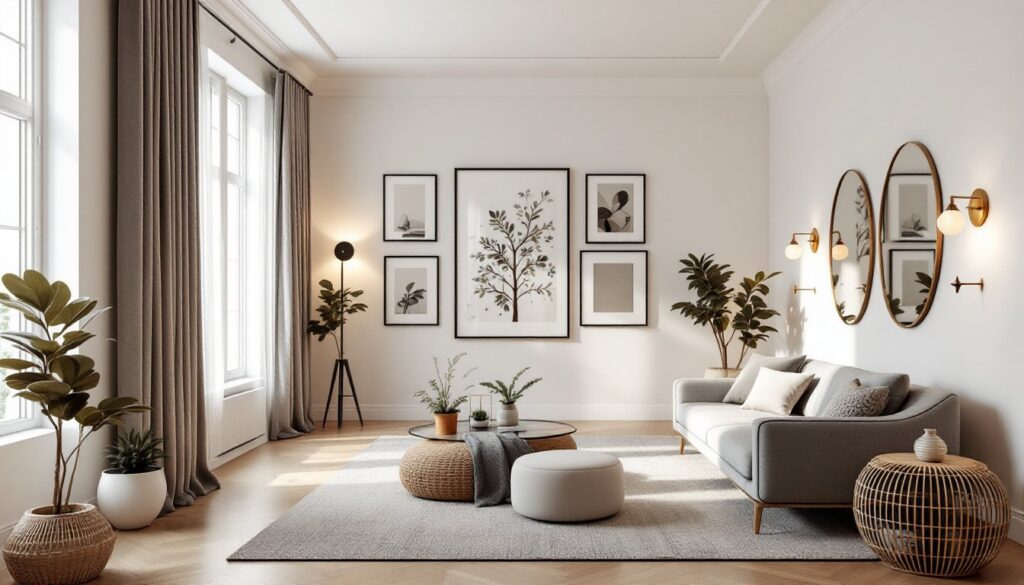

Small apartment living rooms demand strategy, not just taste. When you’re working with limited square footage, every design choice matters. The good news? You don’t need a sprawling space to create a room that feels stylish, functional, and genuinely comfortable. Whether you’re dealing with a studio corner or a modest one-bedroom layout, these seven proven strategies will help you maximize your living room without sacrificing aesthetics. From smart color choices to vertical thinking, you’ll learn how to decorate a small apartment living room that feels intentional and inviting.
Table of Contents
ToggleKey Takeaways
- A cohesive color palette of two to three main colors with neutral bases makes a small apartment living room feel larger and more intentional.
- Decorating a small apartment living room successfully requires vertical thinking—use wall-mounted shelving, tall furniture, and high curtain rods to draw the eye upward and maximize visual space.
- Multifunctional furniture pieces like ottomans with storage, wall-mounted desks, and nesting tables ensure every item earns its place in a compact living room.
- Layered lighting from overhead fixtures, dimmers, table lamps, and wall sconces creates depth and ambiance while making the space feel larger and more spacious.
- Strategically placed mirrors opposite windows or light sources bounce light and can make your living room feel 30% larger without rearranging furniture.
- Personal touches through intentional artwork, quality textiles, and carefully curated decor transform a decorated small living room into a home that reflects your unique style.
Choose a Cohesive Color Palette
Color is your first and most powerful tool for making a small space feel larger. A cohesive palette, typically two to three main colors plus neutrals, creates visual continuity that prevents the room from feeling choppy or chaotic.
Stick with light, neutral base colors for walls and large furniture pieces. Soft whites, warm grays, and soft beiges act like visual anchors that bounce light around the room and make walls feel further away. This doesn’t mean boring: add depth with a slightly richer accent color on one wall, perhaps a muted sage, dusty blue, or warm taupe.
Limit yourself. Using more than three distinct colors in a small room fragments the space visually. When you’re choosing paint, grab samples and live with them for a few days, natural and artificial light will shift the color dramatically. Remember that paint coverage is typically 350–400 square feet per gallon, so measure your wall area and buy accordingly.
Bring in personality through smaller items: throw pillows, artwork, and textiles. This lets you experiment with color without overwhelming the room. A small living room actually benefits from this approach because you can refresh the look seasonally without major expense or effort.
Maximize Vertical Space With Strategic Furniture Placement
Small living rooms are tall, not wide, so think vertically. Wall-mounted shelving, tall bookcases, and floating furniture arrangements draw the eye upward and make ceilings feel higher. A standard 8-foot ceiling becomes more dramatic when you use the wall space above eye level.
Arrange your furniture to define the space without blocking sightlines. Float your sofa away from the wall slightly rather than pushing it to the perimeter: this creates a cozier seating arrangement and actually makes the room feel more intentional. Pair it with a slim side table and one accent chair instead of spreading multiple pieces around.
Choose tall, skinny furniture over wide, squat pieces. A narrow bookcase with vertical lines visually elongates the room. Wall-mounted TV stands save precious floor space compared to a media console. Shelving that extends from floor to ceiling maximizes storage without eating into your footprint.
Hang curtains high and wide, even if your window is modest. The curtain rod should be as close to the ceiling as practical and extend beyond the window frame on both sides. This optical trick makes windows appear larger and draws attention upward, making the entire room feel more spacious. Interior design strategies emphasize this principle across all room types, and it’s especially powerful in compact layouts.
Incorporate Multifunctional Furniture Pieces
In a small apartment living room, every piece of furniture must earn its place. Multifunctional pieces aren’t a compromise, they’re smart design.
Look for ottomans with hidden storage. A high-quality upholstered ottoman can serve as a footrest, extra seating, a coffee table, and a storage box for blankets or magazines. Sofa beds, sleeper sofas, and daybed arrangements pull double duty if you host guests or have visitors who stay over. Console tables with shelves below work as desks, entryway surfaces, or display platforms.
Nesting tables are practical: you can separate them for extra surface area when needed and tuck them together to free up floor space when you don’t. Wall-mounted drop-leaf desks fold down when you’re working and disappear when you’re not, making them ideal if you need a home office zone without dedicated square footage.
Before buying any new piece, ask yourself: Does it serve at least two purposes? Can it store anything? Does it have vertical potential (shelves, hooks, or a tall profile)? If you’re working within a tight budget, IKEA furniture modifications reveal creative ways to adapt affordable basics into custom, multifunctional solutions that fit your exact space and style.
Layer Lighting to Create Depth and Ambiance
Lighting shapes how you perceive space. A single overhead fixture creates flat, uninspiring light. Layered lighting, combining different sources at different heights, makes even a compact room feel larger, warmer, and more dimensional.
Mix Overhead and Accent Lighting
Start with a dimmer-compatible overhead light or flush mount. This gives you brightness control: turn it up during the day or when you need task light, down during evenings for a cozier mood. Dimmers cost $15–30 and are a worthwhile investment, they require a simple swap with your existing switch (ensure power is off, and follow manufacturer instructions, or hire a licensed electrician if you’re uncertain).
Layer in accent lighting with table lamps, wall-mounted reading lights, or track lighting. Position a lamp next to seating for task light and ambiance. Wall sconces on either side of a mirror or above a console add visual interest without consuming floor space. String lights or subtle LED strips around shelving add warmth and draw attention to vertical elements.
Choose bulbs thoughtfully. Warm white (2700K color temperature) feels cozy and is flattering to skin tone. Cool white (4000K) works better for task areas like reading nooks. Avoid mismatched color temperatures across the room, it fragments the space visually. LED bulbs cost more upfront but last 25,000–50,000 hours and use a fraction of the electricity of incandescent bulbs, saving money over time.
The goal isn’t brightness alone, it’s creating visual layers that make the room feel spacious and intentional.
Use Mirrors and Reflective Surfaces
Mirrors are the oldest trick in the small-space playbook, and for good reason: they bounce light and create the illusion of depth. A strategically placed mirror can make your living room feel 30% larger without you rearranging a single piece of furniture.
Hang a large mirror opposite a window or light source to maximize reflection. The mirror should be substantial enough to make an impact, nothing smaller than 2 feet wide. Frame it with something intentional: brass, wood, or matte black finishes feel current and less “dated decorating tip.” Lean a full-length mirror against a wall if you want flexibility and a slightly more relaxed aesthetic.
Incorporate reflective surfaces beyond mirrors. Glass coffee tables, metallic accents on lamps or shelving, glossy ceramic pieces, and mirrored side tables all catch and scatter light. A metallic throw pillow or two adds subtle shimmer without fussiness. Polished brass or chrome hardware on shelving or storage pieces contributes reflectivity without dominating the visual space.
Be strategic about placement. Avoid putting mirrors directly opposite each other (it can feel disorienting) or in ways that reflect clutter back at you. The best mirror placement reflects something pleasant, a window view, artwork, or your favorite light source, and opens up the wall visually. Decorating ideas for small apartment living rooms often overlook this detail, but interior design tips consistently highlight mirrors as essential in compact spaces.
Add Personal Touches With Decor and Art
Now for the part that transforms a decorated room into a home: personal touches. After handling the structural elements, color, furniture, lighting, and reflective surfaces, your apartment living room needs character that reflects who you are.
Choose artwork thoughtfully. A gallery wall works beautifully in small spaces when pieces are cohesive in style and frame finish. Mix framed prints, photographs, and textiles for visual interest without chaos. Hang art at eye level (center of the piece around 57–60 inches from the floor), even if it means spacing it across your walls. One large piece often reads better in a small room than several tiny ones, it anchors the wall and avoids visual fragmentation.
Add texture through textiles: a woven throw blanket, a natural fiber area rug, linen curtains, or a tactile wall hanging. These soften hard surfaces and make the room feel intentional and lived-in. A quality area rug (4×6 or 5×7 feet) defines your seating area, adds warmth underfoot, and visually anchors the room without overwhelming it.
Keep surfaces intentional. Too many small objects create visual clutter that shrinks a room: too few feels sterile. Display items you genuinely love, books, plants, a few meaningful objects, on shelves with breathing room around them. Grouping similar items together (a stack of hardcover books, a collection of plants in varying heights) feels curated rather than scattered.
For affordable, stylish decor options, ideas for a small living room in apartment layouts can inspire fresh approaches. Quality decor doesn’t have to be expensive, it just needs to be intentional.