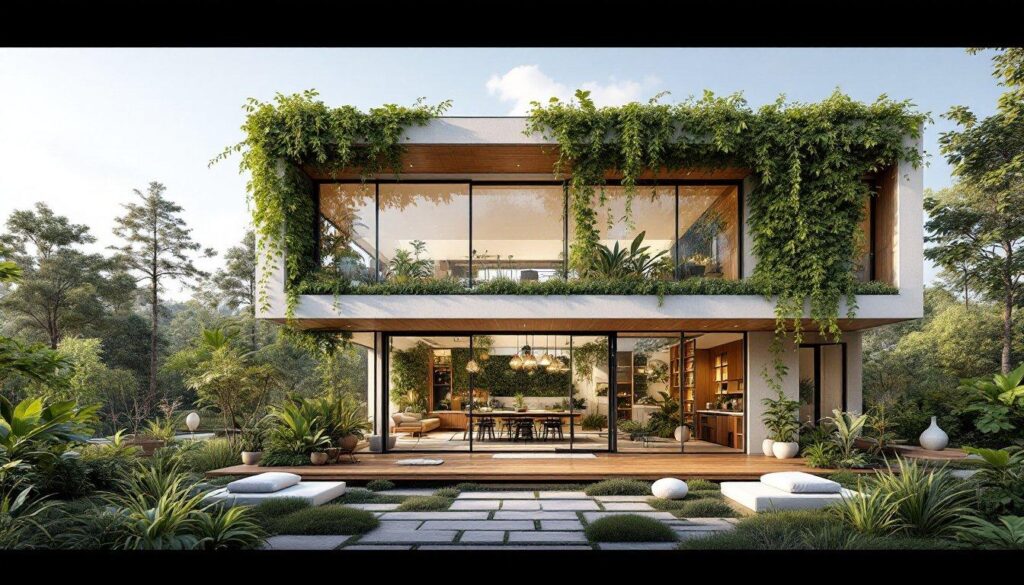

Biophilic design, which involves bringing elements of the natural world into your living space, has become a popular home trend in recent years. Living walls, skylights, water features and rooms full of greenery promise fresher air, more natural light and a stronger connection to the outdoors. However, issues like maintenance, repair and utility costs can sneak up on homeowners after installation.
Understanding these hidden expenses in advance can help you plan a nature-inspired makeover without any nasty surprises down the road.
Table of Contents
ToggleLiving Walls and Vertical Gardens
Vertical gardens and living walls turn a blank space into a lush focal point, and it’s easy to see the appeal. People who work around office plants rate their workspace as noticeably more attractive and satisfying, and the effect still holds up four months later, so the trend isn’t just about looks.
Installing a living wall isn’t a one-time project, though. Ongoing costs to expect include:
- Irrigation line upkeep and occasional repairs.
- Humidity control to protect nearby drywall.
- Replacing plants that don’t survive.
- Service visits for professionally installed systems.
Fortunately, you don’t have to install an entire wall to enjoy the benefits.
Start Small with Container Clusters
Grouping several potted plants on a shelf or plant stand delivers a similar visual effect at a fraction of the cost. Choose varieties like pothos, snake plants or ferns that tolerate irregular watering. They will provide the greenery payoff without the plumbing, structural anchors or replacement costs that come with a full living wall.
Natural Wood Flooring
Wood flooring is another biophilic favorite, prized for the warm, organic texture it brings to a room. Real hardwood is a bigger long-term investment than many homeowners expect once installation wraps up. Wood floors expand and contract with humidity, which can lead to gaps, warping or squeaks over time. Refinishing is part of owning hardwood floors, and each round of sanding and resealing adds another expense to the budget.
Before committing to a full floor replacement, it’s worth trying a more affordable refresh first.
Maintain Instead of Replacing
Floors that look dull or scratched often just need a thorough cleaning and conditioning rather than a full refinish or replacement. Following a proper hardwood cleaning routine removes surface grime and buildup that account for most of the dullness homeowners mistake for wear, delaying the need for costly refinishing. If your floors look worn, a deep clean is worth trying before you call in a contractor.
A light screen-and-recoat is another budget-friendly option worth considering. Instead of sanding down to bare wood, a professional buffs the top layer and applies a fresh coat of finish. This costs a fraction of a full refinish and works well on floors with only surface-level wear.
Large Houseplant Collections
Beyond living walls, many homeowners fill their homes with houseplants — a trend with its own quiet expenses. A thriving collection means recurring costs for potting soil, fertilizer and pest control, plus the occasional plant that succumbs to poor lighting or overwatering despite your best efforts.
When leaves start yellowing, the cause can range from overwatering to poor drainage to a nutrient deficiency, so figuring out the right fix takes some detective work. Replacing plants that don’t make it, along with buying grow lights for darker rooms, adds to the ongoing bill.
You can keep your plant habit affordable with a few strategic choices.
Choose Hardy, Low-Maintenance Species
Look for plants known for tolerating a range of conditions, such as pothos, ZZ plants and spider plants. These varieties need less frequent watering and fertilizing, which cuts down on both plant loss and your monthly plant-food bill.
Statement Skylights and Larger Windows
Bringing in more daylight is another major biophilic goal, often achieved through skylights or oversized windows. These features let in beautiful natural light, but structural changes to your roof or walls come with costs beyond the initial installation. Energy bills can rise if the glass isn’t properly insulated, furniture and flooring near large windows may fade faster from UV exposure, and skylights in particular are prone to leaks that require professional repair.
A few lower-cost alternatives can bring in more light without the structural overhaul.
Try Sun Tunnels or Window Film
Tubular skylights, also called sun tunnels, cost significantly less to install than traditional skylights and require no major structural changes. Adding UV-blocking window film to existing windows is another budget-friendly option that reduces fading and heat gain while still letting the daylight in.
Indoor Water Features
Water features are another popular way to bring a sense of nature indoors, from wall-mounted fountains to small indoor ponds. Built-in versions often need dedicated plumbing, a reliable pump, and regular cleaning to prevent algae and mineral buildup. Higher humidity near the fixture can also encourage mold growth in nearby walls or flooring if ventilation isn’t sufficient. Add in the electricity to run the pump continuously, and a large water feature can become a surprisingly steady expense.
If you love the sound of moving water but not the upkeep, there’s a simpler way to get it.
Downsize to a Tabletop Fountain
A small tabletop or freestanding fountain delivers the same calming sound and visual appeal without plumbing modifications or major electrical work. These units typically just need an outlet and an occasional water refill, making them a low-commitment way to test whether a water feature is right for your home.
Bringing Nature in Without the Sticker Shock
Biophilic design can make a home feel calmer, brighter and more connected to the outdoors. However, you should have realistic expectations about the costs that show up after installation. Starting small, choosing hardy plants and maintaining what you already have lets you enjoy the benefits of a nature-inspired home without letting the hidden expenses catch you off guard.