
Interior design vs interior decorating, these terms get tossed around interchangeably, but they represent two distinct professions. One involves structural changes and technical expertise. The other focuses on aesthetics and surface-level enhancements. Understanding the difference between interior design and interior decorating helps homeowners, business owners, and aspiring professionals make smarter decisions. This guide breaks down what separates these fields, the credentials involved, and how to determine which service fits a specific project.
Table of Contents
ToggleKey Takeaways
- Interior design involves structural changes, building codes, and technical expertise, while interior decorating focuses on aesthetics and surface-level enhancements.
- Interior designers typically need formal education, supervised experience, and state licensure, whereas decorators have no mandatory educational requirements.
- Hire an interior designer when your project requires permits, structural modifications, or safety code compliance.
- Choose an interior decorator for quick cosmetic updates, furniture selection, and styling within existing spaces.
- Interior design vs interior decorating costs differ significantly due to scope—designers charge higher fees for technical work and liability exposure.
- Some projects benefit from both professionals, with designers handling renovations and decorators styling the finished spaces.
What Is Interior Design?
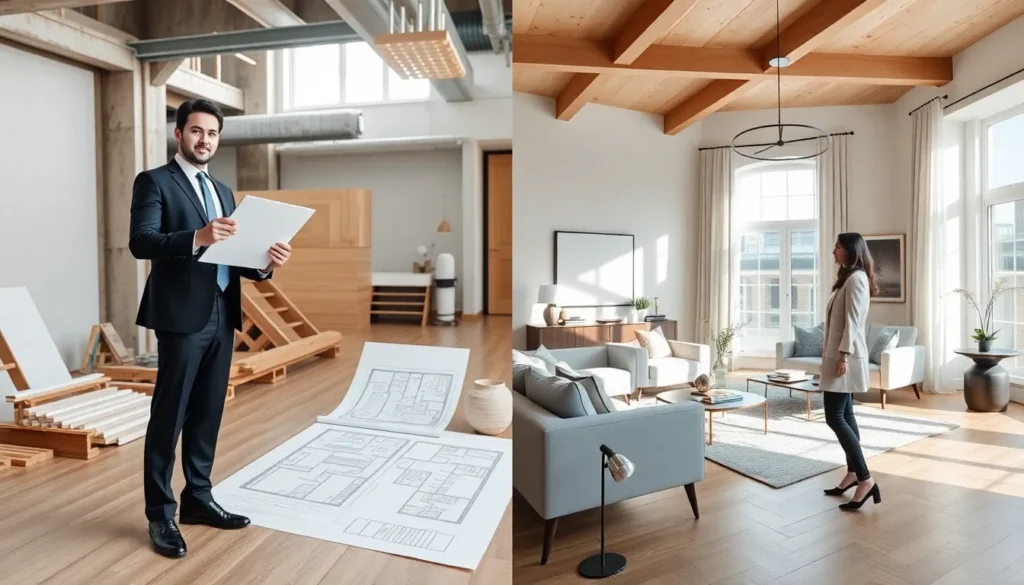
Interior design is a professional discipline that combines art, architecture, and engineering principles. Interior designers create functional spaces that meet safety codes and building regulations. They work with blueprints, floor plans, and construction documents.
A qualified interior designer can:
- Redesign room layouts and spatial configurations
- Specify materials for walls, flooring, and ceilings
- Collaborate with architects and contractors
- Ensure compliance with fire safety and accessibility standards
- Create custom cabinetry and built-in furniture designs
Interior design professionals often manage entire renovation projects from concept to completion. They consider how people move through spaces, how light enters rooms, and how structures support daily activities. The work goes beyond choosing colors, it involves problem-solving at a fundamental level.
Many interior designers specialize in residential, commercial, healthcare, or hospitality projects. Each specialization requires knowledge of specific regulations and user needs. A hospital room demands different considerations than a restaurant or private home.
What Is Interior Decorating?
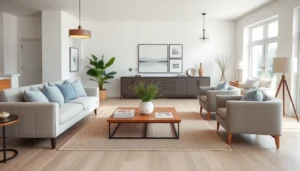
Interior decorating focuses on the visual appeal of existing spaces. Decorators select furniture, fabrics, accessories, and color schemes to create a desired atmosphere. They don’t alter structural elements or modify floor plans.
An interior decorator typically handles:
- Furniture selection and arrangement
- Color palette development
- Window treatments and textiles
- Artwork and accessory placement
- Lighting fixture selection (without electrical modifications)
Interior decorating enhances what already exists. Decorators transform rooms through strategic styling choices rather than construction work. They possess strong aesthetic instincts and stay current with design trends.
The interior decorating field welcomes creative individuals without formal degrees. Many successful decorators build portfolios through hands-on experience and self-directed learning. Their value lies in translating client preferences into cohesive visual statements.
Decorators often complete projects faster than interior designers because they work within existing structures. A room refresh might take weeks rather than months. This makes interior decorating ideal for clients seeking quick transformations without major renovations.
Core Differences Between Interior Design and Decorating
The interior design vs interior decorating debate comes down to scope, training, and legal authority. Both professions improve living and working environments, but they operate at different levels.
Education and Credentials
Interior designers typically hold bachelor’s or master’s degrees in interior design or architecture. Most programs require four to five years of study covering:
- Space planning and programming
- Building codes and regulations
- Computer-aided design (CAD) software
- Construction methods and materials
- Environmental psychology
After graduation, aspiring interior designers complete supervised work experience. Many states require licensure or registration to practice. The National Council for Interior Design Qualification (NCIDQ) exam serves as an industry standard. Passing this exam demonstrates competency in health, safety, and welfare aspects of interior design.
Interior decorators face no mandatory educational requirements. Some pursue certificates from design schools or professional organizations. Others learn through apprenticeships, workshops, or independent study. The barrier to entry remains lower, though successful decorators invest heavily in developing their eye for style.
Scope of Work
Interior design encompasses structural modifications. Designers can knock down walls, relocate plumbing fixtures, and reconfigure electrical systems. They read and produce technical drawings. Their projects require permits, inspections, and coordination with licensed contractors.
Interior decorating stays surface-level. Decorators work with existing architecture and infrastructure. They can’t legally submit building plans or sign off on construction documents in regulated jurisdictions. Their authority extends to furnishings, finishes, and decorative elements.
Consider a kitchen renovation. An interior designer might redesign the entire layout, specify new cabinetry, select countertop materials, and ensure proper ventilation. An interior decorator could update the existing kitchen with new cabinet hardware, bar stools, window treatments, and decorative accessories.
The distinction between interior design and decorating matters for project outcomes. Structural changes demand interior design expertise. Aesthetic updates fit the interior decorating skill set.
Which One Do You Need?
Choosing between interior design vs interior decorating depends on project requirements, budget, and timeline.
Hire an interior designer when:
- The project involves structural changes or new construction
- Building permits are required
- Safety codes must be addressed
- Custom built-ins or architectural features are desired
- The space needs a complete functional overhaul
Hire an interior decorator when:
- The existing layout works well
- Only cosmetic updates are needed
- Budget constraints limit major renovations
- A quick room refresh is the goal
- Furniture selection and styling are the primary concerns
Some projects benefit from both professionals. An interior designer might handle a bathroom renovation while an interior decorator styles the adjacent bedroom. This approach maximizes expertise at each phase.
Cost differences reflect the scope disparity. Interior designers charge higher fees due to their technical training and liability exposure. Interior decorators typically work with smaller budgets and shorter timelines. Both can deliver excellent results within their respective domains.
Questions to ask before hiring:
- Does this project require permits or code compliance?
- Will walls, plumbing, or electrical systems change?
- Is the focus primarily aesthetic or functional?
- What’s the realistic budget and timeline?
Honest answers guide the right choice between interior design and decorating professionals.