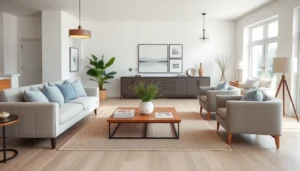
Interior design strategies shape how people experience their homes. A well-designed room feels comfortable, functional, and personal. A poorly planned space creates frustration and visual chaos.
The good news? Great interior design doesn’t require a massive budget or professional help. It requires intention. By understanding a few core principles, anyone can create rooms that look polished and feel right.
This guide breaks down practical interior design strategies that work. From color selection to furniture placement, these approaches help homeowners and renters make smarter decisions about their spaces.
Table of Contents
ToggleKey Takeaways
- Successful interior design strategies start with measuring your space and understanding how you actually use each room before making any purchases.
- Apply the 60-30-10 color rule—60% dominant, 30% secondary, 10% accent—to create visual harmony without chaos.
- Float furniture away from walls and maintain 30-36 inch clearance for traffic paths to improve room flow and conversation groupings.
- Layer three types of lighting—ambient, task, and accent—to add depth and avoid flat, unflattering spaces.
- Mix contrasting textures like velvet with wood grain or smooth marble with woven jute to create sensory variety and visual interest.
- Install dimmer switches to transform room ambiance from functional daytime brightness to relaxing evening warmth.
Understanding Your Space and Lifestyle Needs
Every successful interior design strategy starts with honest assessment. Before buying a single throw pillow, people need to understand two things: what their space offers and how they actually live in it.
Measure and Map the Room
Grab a tape measure. Record the length and width of walls. Note window placements, door swings, and any architectural features like columns or built-ins. These measurements become the foundation for every design decision.
Many homeowners skip this step and regret it later. That gorgeous sectional sofa? It blocks the hallway. The dining table they loved? It crowds the room so badly that chairs scrape the walls.
Identify How You Use the Space
A living room for a couple who hosts dinner parties needs different interior design strategies than one for a family with young kids. Ask practical questions:
- Does anyone work from home in this room?
- How many people typically use this space at once?
- What activities happen here, reading, gaming, watching TV, conversation?
- Are there pets that need consideration?
These answers guide everything from fabric choices to traffic flow patterns.
Acknowledge Your Space’s Limitations
Low ceilings, awkward corners, and limited natural light present real challenges. Smart interior design strategies work with these limitations rather than against them. A dark room, for example, benefits from lighter colors and strategic mirror placement, not heavy drapes that absorb what little light exists.
Honesty at this stage prevents expensive mistakes. The room is what it is. Good design makes the most of it.
Choosing a Cohesive Color Palette
Color affects mood, perception of space, and visual harmony. Among all interior design strategies, color selection creates the most immediate impact.
Start with a Base Color
Most successful palettes begin with a neutral base. Whites, grays, beiges, and soft taupes work as backgrounds that don’t compete for attention. These neutrals cover large surfaces, walls, major furniture pieces, and flooring.
The base color doesn’t have to be boring. A warm white differs dramatically from a cool white. Greige (gray-beige) reads differently than pure gray. Sample several options on actual walls before committing.
Add Accent Colors Intentionally
Once the base is established, introduce two or three accent colors. The 60-30-10 rule offers a reliable framework:
- 60% dominant color (walls, large furniture)
- 30% secondary color (curtains, accent chairs, rugs)
- 10% accent color (pillows, artwork, decorative objects)
This ratio creates visual interest without chaos. The eye has places to rest and focal points to appreciate.
Consider Color Psychology
Blues tend to calm. Yellows energize. Greens feel fresh and natural. Red stimulates appetite and conversation. These associations aren’t absolute, but they’re worth considering when choosing interior design strategies for specific rooms.
A bedroom might benefit from softer, cooler tones that promote rest. A home office could use colors that support focus and energy.
Test Before You Commit
Paint swatches lie. A color that looks perfect on a small card can overwhelm an entire wall. Buy sample sizes and paint large squares, at least 12×12 inches, on different walls. Observe how they look in morning light, afternoon sun, and evening lamplight. Colors shift dramatically throughout the day.
Balancing Furniture and Layout
Furniture placement determines how a room functions and flows. Poor layout makes even beautiful furniture look wrong. Good interior design strategies prioritize both form and function in arrangement.
Create Clear Traffic Paths
People need to move through rooms without obstacle courses. Main pathways require 30-36 inches of clearance. Secondary paths can be narrower but should never force awkward maneuvering around furniture edges.
Draw the room to scale on graph paper or use a free online room planner. This step saves hours of heavy lifting and furniture rearrangement.
Establish a Focal Point
Every room needs an anchor, a fireplace, a large window, a piece of art, or an entertainment center. Interior design strategies work best when furniture arrangement supports this focal point. In a living room with a fireplace, seating should face or angle toward it.
Rooms without natural focal points need created ones. A large piece of artwork, a statement light fixture, or an accent wall can serve this purpose.
Balance Visual Weight
Visual weight refers to how heavy or substantial an object appears, regardless of its actual weight. A dark leather sofa has more visual weight than a light linen one. A solid wood coffee table feels heavier than a glass-topped alternative.
Distribute visual weight evenly throughout the room. A massive sectional on one side needs balancing elements on the other, perhaps a substantial bookcase or a pair of accent chairs.
Float Furniture Away from Walls
Pushing all furniture against walls is a common mistake. It creates a bowling-alley effect and makes rooms feel cold and disconnected. Pulling furniture even a few inches away from walls creates intimacy and better conversation groupings.
In larger rooms, floating furniture creates defined zones, a reading nook, a conversation area, a workspace, within the same space.
Layering Textures and Lighting for Depth
Flat rooms feel boring. They lack the visual interest that makes spaces feel complete and inviting. Texture and lighting are interior design strategies that add dimension without clutter.
Mix Textures Deliberately
Texture comes from materials: velvet, leather, wood grain, woven baskets, metal finishes, ceramic, glass. A room with only smooth surfaces feels sterile. One with too many competing textures feels chaotic.
Aim for contrast. A sleek leather sofa pairs well with a chunky knit throw. A polished marble coffee table benefits from a woven jute rug beneath it. Smooth walls look better when hung with textured artwork or macramé.
Touch matters too. People interact with rooms physically, not just visually. Soft pillows, smooth countertops, and rough-hewn wood surfaces create sensory variety.
Layer Three Types of Lighting
Professional interior design strategies always address lighting in layers:
- Ambient lighting provides overall illumination. Ceiling fixtures, recessed lights, and natural light from windows fall into this category.
- Task lighting serves specific functions. Reading lamps, under-cabinet lights, and desk lamps help people see what they’re doing.
- Accent lighting creates atmosphere and highlights features. Picture lights, uplights, and candles add drama and warmth.
Rooms need all three types working together. Relying solely on overhead fixtures creates harsh, flat light with unflattering shadows.
Use Dimmers Everywhere Possible
Dimmer switches cost a few dollars and transform how a room feels. Bright light works for morning routines and tasks. Dimmed light creates evening ambiance for relaxation and entertaining.
Don’t Forget Natural Light
Window treatments dramatically affect how much natural light enters a room. Sheer curtains filter harsh sun while preserving brightness. Heavier drapes offer privacy and light control. The best interior design strategies balance these needs with the room’s overall aesthetic.