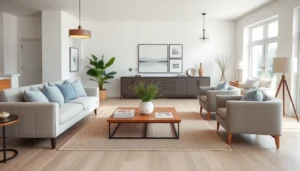
Great interior design ideas can turn any house into a home that reflects personality and purpose. Whether someone is redesigning an entire floor plan or simply refreshing a single room, the right approach makes all the difference. A well-designed space does more than look good, it improves daily life, boosts mood, and creates an environment where people actually want to spend time.
This guide covers practical interior design ideas that work across different budgets and styles. From maximizing natural light to choosing the perfect statement piece, these strategies help homeowners and renters alike create spaces that feel both beautiful and livable.
Table of Contents
ToggleKey Takeaways
- Great interior design ideas prioritize natural light through sheer curtains, strategic mirror placement, and light-colored walls to make rooms feel larger and more inviting.
- Mixing textures like leather, velvet, wood, and metal creates visual depth and makes spaces more engaging to the senses.
- Every room needs one strong focal point—such as bold artwork or an oversized light fixture—to anchor the design without overwhelming the space.
- Use the 60-30-10 color rule (dominant, secondary, and accent colors) to create balanced, visually appealing interiors.
- Functional interior design ideas address storage, traffic flow, and comfort to ensure beautiful spaces also work for daily life.
- Choose flexible, multi-purpose furniture to adapt your space as needs change over time.
Embrace Natural Light and Open Layouts
Natural light transforms rooms in ways artificial lighting simply cannot match. It makes spaces feel larger, highlights colors accurately, and has proven effects on mental wellbeing. Interior design ideas that prioritize light often deliver the biggest visual impact with minimal investment.
Start by assessing window treatments. Heavy drapes block light and make rooms feel closed off. Swap them for sheer curtains or blinds that filter light while maintaining privacy. If budget allows, consider enlarging existing windows or adding skylights to dark areas.
Open layouts amplify the effect of natural light. Removing non-structural walls between kitchens, dining rooms, and living areas allows light to travel deeper into the home. For those who can’t tear down walls, strategic mirror placement achieves similar results. A large mirror opposite a window essentially doubles the light in any room.
Furniture arrangement matters too. Avoid placing tall bookcases or bulky sofas in front of windows. Instead, position seating to face light sources. This arrangement draws people toward the brightest spots and creates natural gathering areas.
Paint colors also affect how light behaves. White and light gray walls bounce light around a room, while dark colors absorb it. That doesn’t mean every room needs white walls, but understanding this relationship helps when planning interior design ideas for specific spaces.
Mix Textures and Materials for Visual Interest
A room full of smooth surfaces feels cold and uninviting. A room with too many rough textures feels chaotic. The best interior design ideas strike a balance between different materials and finishes.
Start with a base material, perhaps a smooth leather sofa or a sleek wooden coffee table. Then layer contrasting textures around it. A chunky knit throw, a jute rug, or velvet cushions add depth without overwhelming the space. The goal is variety that feels intentional, not random.
Metal accents bring another dimension to any room. Brass light fixtures, copper plant pots, or black iron shelving create visual contrast against softer materials. Mixing metal finishes, brushed nickel with matte black, for example, adds sophistication when done carefully.
Natural materials ground a space and connect interiors to the outside world. Wood, stone, rattan, and linen all carry organic warmth that synthetic materials struggle to replicate. Even small touches like a wooden bowl or stone coasters contribute to this effect.
Consider how textures feel, not just how they look. A home should invite touch. Smooth marble countertops, soft wool rugs, and textured wallpaper all engage different senses and make spaces more memorable.
Create Focal Points With Statement Pieces
Every well-designed room needs a focal point, something that draws the eye and anchors the entire space. Interior design ideas often succeed or fail based on this single element.
Statement pieces come in many forms. A bold piece of artwork above the sofa immediately commands attention. An oversized light fixture in the dining room creates drama. A uniquely shaped chair or a vintage armoire can define an entire room’s character.
The key is restraint. One strong focal point works better than several competing elements. When everything demands attention, nothing stands out. Pick one statement piece per room and let supporting elements fade into the background.
Scale matters when choosing statement pieces. A tiny painting above a large sofa looks lost. An enormous chandelier in a room with low ceilings feels oppressive. Measure the space carefully and choose pieces that fit proportionally.
Placement affects impact too. Focal points work best when they’re visible immediately upon entering a room. Position them along sight lines from doorways or at the end of hallways for maximum effect.
Statement pieces don’t require massive budgets. Thrift stores, estate sales, and online marketplaces often hide unique items at affordable prices. Sometimes the most effective interior design ideas come from unexpected finds rather than expensive purchases.
Incorporate Color Strategically
Color shapes mood more than almost any other design element. Understanding how to use it separates amateur interior design ideas from professional results.
Start with a color palette of three to five complementary shades. Choose one dominant color for walls and large furniture pieces, one or two secondary colors for accents, and a neutral to tie everything together. This framework prevents clashing while allowing personality to shine through.
Cool colors, blues, greens, and purples, create calm, restful atmospheres. They work well in bedrooms and bathrooms where relaxation matters. Warm colors, reds, oranges, and yellows, energize spaces and encourage conversation. They suit dining rooms, kitchens, and social areas.
Neutrals aren’t boring, they’re foundational. Beige, gray, white, and black provide breathing room between bolder choices. Interior design ideas that ignore neutrals often feel overwhelming or visually exhausting.
The 60-30-10 rule offers a reliable formula: 60% dominant color, 30% secondary color, and 10% accent color. This ratio creates visual balance while maintaining interest. Breaking the rule deliberately can work, but beginners should master it first.
Test colors before committing. Paint samples on walls and observe them at different times of day. Lighting changes dramatically affect how colors appear. What looks perfect in morning light might seem completely different at night.
Balance Function and Aesthetics
Beautiful rooms that don’t work for daily life fail as designs. The best interior design ideas address practical needs while creating visual appeal.
Storage often separates functional spaces from frustrating ones. Built-in shelving, hidden cabinets, and multi-purpose furniture keep clutter contained without sacrificing style. A coffee table with drawers, an ottoman with internal storage, or a bed with under-mattress compartments all solve real problems.
Traffic flow deserves careful consideration. People need clear paths through rooms without bumping into furniture. Leave at least three feet for main walkways and smaller clearances between seating areas. Awkward layouts create daily friction that diminishes even the most attractive designs.
Consider who uses each space and how. A family with young children needs durable, washable fabrics and rounded furniture edges. A home office requires proper lighting and ergonomic seating. Interior design ideas should respond to specific lifestyle needs, not generic magazine spreads.
Comfort isn’t optional. Test furniture before buying it. Sit on sofas, pull out dining chairs, and lie on beds. Something can look stunning in photos yet feel terrible in practice. Prioritize comfort for pieces that get daily use.
Flexibility adds long-term value. Furniture on casters, modular seating, and adjustable lighting allow spaces to adapt as needs change. The best designs anticipate future requirements rather than solving only current problems.