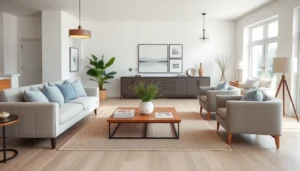
An interior design guide can transform how people approach their living spaces. Good design combines function with beauty to create rooms that feel right. Whether someone plans a full renovation or simply wants to refresh a single room, understanding core design principles makes a significant difference.
This interior design guide covers the fundamentals every homeowner should know. Readers will learn about essential elements, popular styles, and practical tips to begin their own projects. The goal is simple: help anyone create spaces that look great and work well for daily life.
Table of Contents
ToggleKey Takeaways
- A solid interior design guide starts with mastering core principles like balance, proportion, rhythm, and focal points to create visually harmonious spaces.
- Color, lighting, texture, and space are the essential building blocks that shape any room’s mood and functionality.
- Popular styles like Modern, Scandinavian, Bohemian, and Industrial offer distinct aesthetics—most homeowners blend elements from multiple styles.
- Always start your interior design project by defining how the room will be used, as function should drive every design decision.
- Create mood boards and measure everything before purchasing to avoid costly mistakes and reveal your true style preferences.
- Invest in high-use pieces like sofas and tables while saving on trendy accessories that can easily be updated later.
Understanding the Fundamentals of Interior Design
Interior design rests on several core principles that professional designers apply to every project. These fundamentals guide decisions about furniture placement, color choices, and decorative elements.
Balance
Balance creates visual stability in a room. Symmetrical balance places identical items on either side of a central point, think matching lamps on nightstands. Asymmetrical balance uses different objects of similar visual weight. A large sofa might balance against two smaller chairs, for example. Radial balance arranges elements around a central focal point, like chairs circling a round dining table.
Proportion and Scale
Proportion refers to how elements relate to each other in size. Scale describes how items relate to the room itself. A massive sectional sofa overwhelms a small living room. Tiny accent chairs get lost in a grand space. Successful interior design matches furniture and décor to the room’s dimensions.
Rhythm and Repetition
Rhythm moves the eye through a space. Designers create rhythm by repeating colors, patterns, or shapes throughout a room. Blue throw pillows might echo a blue vase on the mantel and artwork on the wall. This repetition ties the space together without feeling monotonous.
Emphasis and Focal Points
Every room benefits from a focal point, something that draws attention first. A fireplace, statement artwork, or architectural feature often serves this purpose. The interior design guide principle here is simple: let one element star while supporting pieces play secondary roles.
Key Elements That Shape Every Room
Beyond principles, specific elements form the building blocks of interior design. Mastering these elements gives anyone more control over their space.
Color
Color affects mood more than almost any other element. Warm tones like red, orange, and yellow energize a room. Cool blues and greens create calm. Neutrals provide flexibility and timelessness. Most interior design guide experts recommend choosing a dominant color, a secondary color, and one or two accent shades.
Lighting
Lighting falls into three categories. Ambient lighting provides overall illumination, ceiling fixtures and recessed lights. Task lighting focuses on specific activities like reading or cooking. Accent lighting highlights architectural features or artwork. Strong rooms layer all three types.
Texture
Texture adds depth and interest. A room with only smooth surfaces feels flat and cold. Mixing textures, a chunky knit throw on a leather sofa, a woven rug on hardwood floors, creates visual richness. Texture also affects how light behaves in a space.
Space
Space includes both negative space (empty areas) and positive space (areas filled with objects). Crowded rooms feel chaotic. Too much empty space feels sterile. This interior design guide emphasizes finding the right ratio for each room’s purpose. Living rooms often need more breathing room than home offices.
Pattern
Patterns inject personality into spaces. The classic approach mixes one large-scale pattern, one medium, and one small within a cohesive color palette. Stripes, florals, geometrics, and organic patterns each bring different energy to a room.
Popular Interior Design Styles to Inspire Your Home
Understanding different styles helps homeowners define their vision. Most people gravitate toward one primary style, often blending elements from others.
Modern
Modern design emerged in the early-to-mid 20th century. It features clean lines, minimal ornamentation, and functional furniture. Materials like steel, glass, and concrete appear frequently. Colors tend toward neutrals with occasional bold accents.
Contemporary
People often confuse contemporary with modern, but contemporary refers to what’s current right now. It borrows from various periods and stays fluid. Today’s contemporary interior design includes curved furniture, sustainable materials, and earthy color palettes.
Scandinavian
Scandinavian design prioritizes function, simplicity, and connection to nature. Light woods, white walls, and cozy textiles define this style. The Danish concept of “hygge”, comfort and coziness, influences many Scandinavian spaces.
Traditional
Traditional style draws from 18th and 19th century European décor. Rich wood tones, ornate details, and classic furniture silhouettes characterize this approach. Colors run toward deep reds, greens, and golds.
Bohemian
Bohemian interior design embraces eclecticism and personal expression. Layered textiles, global influences, and collected objects create lived-in warmth. This style suits people who want their space to tell a story.
Industrial
Industrial style celebrates raw materials and architectural elements. Exposed brick, metal fixtures, and reclaimed wood define industrial spaces. This interior design guide notes that industrial works particularly well in loft apartments and converted warehouses.
Practical Tips for Getting Started
Theory matters, but application brings results. These practical steps help anyone begin their interior design journey.
Start With Function
Before choosing colors or furniture, define how the room will be used. A living room for hosting looks different from one designed for family movie nights. Function drives every other decision in successful interior design.
Create a Mood Board
Gather images, fabric swatches, and color samples that appeal. Pinterest boards work well for digital collections. Physical mood boards allow texture comparison. This interior design guide recommends looking for patterns in collected images, they reveal personal style preferences.
Measure Everything
Measure the room and create a simple floor plan. Note window and door locations. Measure existing furniture and any pieces under consideration. This step prevents costly mistakes like sofas that don’t fit through doorways.
Invest in Key Pieces
Budgets have limits. Spend more on items that get heavy use, sofas, mattresses, dining tables. Save on trendy accessories and decorative items that can be swapped later.
Edit Ruthlessly
Clutter undermines even the best interior design. Remove items that don’t serve a purpose or bring joy. Empty space allows remaining pieces to shine.
Trust the Process
Rooms rarely come together overnight. Living with choices for a few weeks reveals what works and what doesn’t. Patience produces better results than rushed decisions.