
Interior design examples offer a window into how different styles can transform a living space. Whether someone wants a sleek modern look or a cozy traditional feel, real-world examples provide the inspiration needed to make confident choices. This guide explores five popular design styles, each with distinct characteristics and practical applications. From minimalist spaces to eclectic bohemian rooms, these interior design examples will help homeowners discover what resonates with their personal taste and lifestyle.
Table of Contents
ToggleKey Takeaways
- Interior design examples across five popular styles—minimalist, traditional, Scandinavian, industrial, and bohemian—help homeowners find inspiration that matches their lifestyle.
- Modern minimalist design focuses on clean lines, neutral colors, and intentional pieces to create calm, clutter-free spaces.
- Traditional interiors feature rich woods, ornate details, and deep color palettes that evoke timeless elegance and craftsmanship.
- Scandinavian style balances simplicity with warmth through natural materials, functional furniture, and cozy textiles.
- Industrial loft aesthetics celebrate raw materials like exposed brick, metal, and concrete, softened by rugs, plants, and textured accents.
- Bohemian and eclectic interior design examples embrace bold colors, layered patterns, and collected objects for spaces that break the rules and tell personal stories.
Modern Minimalist Design
Modern minimalist design strips a room down to its essentials. This style prioritizes clean lines, open spaces, and a neutral color palette. White walls, simple furniture, and uncluttered surfaces define the look.
In these interior design examples, less truly means more. A minimalist living room might feature a low-profile sofa in gray or white, a single statement coffee table, and one piece of wall art. Storage stays hidden behind sleek cabinet doors. The goal is to create calm through simplicity.
Materials matter in minimalist spaces. Designers often choose concrete, glass, and light-toned wood. These elements add texture without visual noise. Lighting tends to be recessed or architectural, avoiding ornate fixtures.
Minimalism works well in small apartments and modern homes alike. It makes rooms feel larger and more breathable. For those who find clutter stressful, this style offers a practical solution. The key is intentionality, every item in the room should serve a purpose or bring genuine joy.
Traditional and Classic Interiors
Traditional interiors draw from European design history. Rich woods, ornate details, and symmetrical arrangements characterize this style. It feels warm, established, and timeless.
These interior design examples often showcase dark mahogany furniture, crown molding, and upholstered pieces in damask or velvet fabrics. A traditional dining room might include a formal table with carved legs, a crystal chandelier, and matching sideboards on either side of the room.
Color palettes lean toward deep tones: burgundy, navy, forest green, and gold accents. Patterns appear through wallpaper, rugs, and throw pillows. Florals, stripes, and plaids are common choices.
Traditional design suits those who appreciate craftsmanship and heritage. It creates spaces that feel lived-in and elegant. Many homeowners blend traditional elements with modern pieces for a transitional look. This approach keeps rooms from feeling dated while preserving classic charm.
Antique shops and estate sales are goldmines for traditional decor. Original pieces add authenticity that reproductions can’t match.
Scandinavian Style Spaces
Scandinavian design emerged from Nordic countries where long winters make bright, functional homes essential. This style combines warmth with simplicity, creating spaces that feel both inviting and efficient.
These interior design examples feature white walls paired with natural wood floors. Furniture has clean lines but includes soft textiles, think chunky knit blankets and sheepskin throws. The color palette stays neutral with occasional pops of muted blue, blush, or sage.
Functionality drives Scandinavian design decisions. Every piece must work hard. A coffee table includes storage. A bench doubles as a shoe rack. This practical approach appeals to modern families and urban dwellers.
Lighting plays a crucial role since natural light is scarce in Nordic winters. Large windows remain uncovered or use sheer curtains. Candles appear throughout the home, creating hygge, that Danish concept of cozy contentment.
Plants add life to Scandinavian interiors. Potted greenery and fresh flowers bring organic elements indoors. The overall effect is calm, bright, and effortlessly stylish. Many consider Scandinavian design a sweet spot between minimalism and warmth.
Industrial Loft Aesthetics
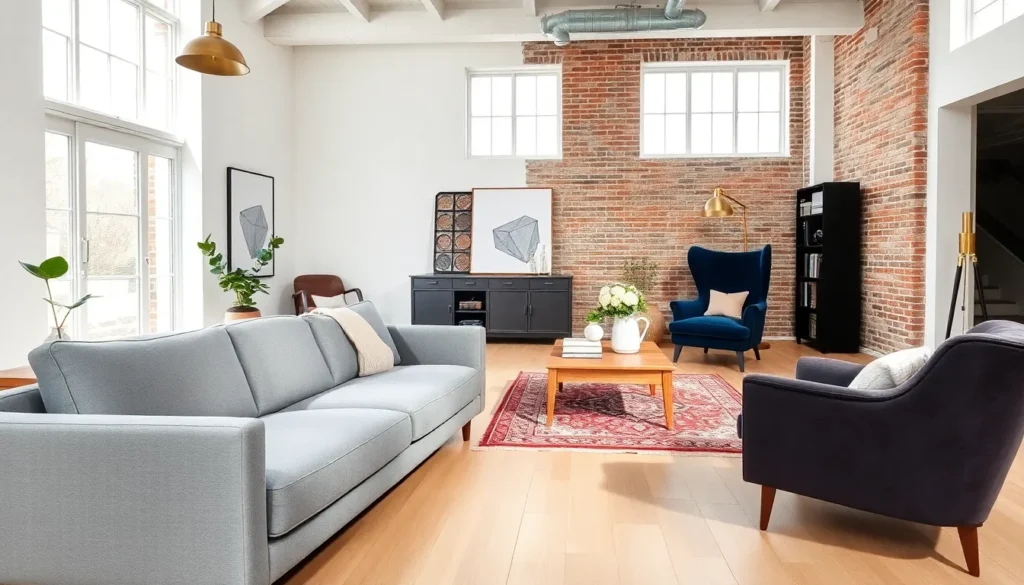
Industrial design celebrates raw materials and architectural bones. This style originated in converted warehouses and factories, where exposed brick, metal beams, and ductwork became features rather than flaws.
In these interior design examples, hard surfaces dominate. Concrete floors, steel fixtures, and unfinished wood create an urban edge. Furniture tends toward utilitarian pieces, metal stools, leather sofas, and reclaimed wood tables.
The color palette is neutral but moody. Grays, blacks, and browns provide the base. Copper and brass accents add warmth. Edison bulbs and pendant lights with metal shades are signature lighting choices.
Open floor plans suit industrial design. High ceilings and large windows maximize the loft feel. Room dividers, when needed, might be metal shelving units or glass partitions rather than solid walls.
Softening elements prevent industrial spaces from feeling cold. Area rugs, textured throws, and plants balance the hard surfaces. Art, especially large-scale pieces or photography, works well against exposed brick walls.
This style appeals to those who appreciate urban character and architectural authenticity. It works best in spaces with existing industrial features, though new construction can incorporate these elements too.
Bohemian and Eclectic Designs
Bohemian design breaks all the rules. This style embraces color, pattern, and collected objects. Rooms tell stories through items gathered from travels, flea markets, and family heirlooms.
These interior design examples showcase layered textiles, global influences, and artistic expression. A bohemian bedroom might feature a vintage brass bed, Moroccan poufs, Indian block-print curtains, and a Turkish kilim rug. Nothing matches perfectly, and that’s the point.
Color runs wild in bohemian spaces. Jewel tones, earthy hues, and bright accents coexist. Pattern mixing is encouraged, stripes with florals, geometric prints with paisley. The key is maintaining some visual connection, whether through color or scale.
Plants thrive in bohemian interiors. Trailing pothos, fiddle leaf figs, and collections of succulents add life and oxygen. Macramé plant hangers and woven baskets reinforce the handmade aesthetic.
Eclectic design shares bohemian’s love of mixing but with more intentionality. It combines styles deliberately, perhaps a mid-century sofa with an antique Persian rug and contemporary art. The result feels curated rather than chaotic.
Both styles reward collectors and creative spirits. They allow personal expression without strict guidelines. For those who can’t commit to one look, bohemian and eclectic interior design examples prove that breaking rules can create the most memorable spaces.