
Interior design shapes how people live, work, and feel in their homes. A well-designed space does more than look good, it improves daily routines, reflects personality, and increases property value. Whether someone wants to refresh a single room or overhaul an entire home, understanding interior design principles makes the process easier and more rewarding.
This guide covers the fundamentals of interior design, popular styles worth exploring, and practical steps to launch a successful project. It also highlights common mistakes that derail even well-intentioned renovations. By the end, readers will have a clear roadmap for creating spaces that feel both beautiful and functional.
Table of Contents
ToggleKey Takeaways
- Interior design combines art and science to create spaces that improve daily life, reflect personality, and increase property value.
- Master the seven core elements—space, line, form, light, color, texture, and pattern—to make smarter design decisions.
- Always measure your space and create a floor plan before purchasing furniture to avoid costly interior design mistakes.
- Start with large anchor pieces like sofas and beds first, then layer in lighting, textiles, and accessories for a cohesive look.
- Avoid pushing all furniture against walls; floating pieces away from walls creates better conversation areas and defined zones.
- Take your time with the process—good interior design evolves, and rushing leads to regret and impulse purchases.
Understanding the Fundamentals of Interior Design
Interior design combines art and science to create functional, aesthetically pleasing spaces. It involves much more than picking paint colors or arranging furniture. Designers consider how people move through rooms, how light affects mood, and how different textures create visual interest.
At its core, interior design solves problems. A cramped kitchen needs better storage. A dark living room needs strategic lighting. A home office needs separation from family activity. Good interior design addresses these challenges while creating cohesive, attractive environments.
Professional interior design also considers the psychological impact of spaces. Colors influence emotions, blues calm, yellows energize, and greens refresh. Room proportions affect comfort levels. Even ceiling height changes how people feel in a space. Understanding these principles helps anyone make smarter design choices.
Key Elements That Define Great Design
Seven core elements form the foundation of interior design:
Space serves as the canvas for all design decisions. Designers work with positive space (filled areas) and negative space (empty areas) to create balance. Overcrowded rooms feel chaotic, while too much empty space feels cold and unwelcoming.
Line guides the eye through a room. Horizontal lines create width and stability. Vertical lines add height and formality. Dynamic lines, diagonals and curves, inject energy and movement into interior design schemes.
Form refers to the shape of objects and the room itself. Mixing geometric forms (squares, rectangles) with organic forms (curves, irregular shapes) creates visual interest without chaos.
Light transforms everything it touches. Natural light reveals true colors and creates warmth. Artificial light, ambient, task, and accent, serves different purposes throughout the day. Interior design projects live or die by lighting choices.
Color carries emotional weight. A thoughtful color palette unifies separate rooms and establishes mood. Most successful interior design schemes use one dominant color, one secondary color, and one accent color.
Texture adds depth and dimension. Smooth surfaces reflect light. Rough textures absorb it. Mixing textures, velvet against wood, metal beside fabric, prevents rooms from feeling flat or monotonous.
Pattern introduces rhythm and personality. Stripes, florals, geometrics, and abstracts each communicate different styles. Skilled interior design balances pattern with solid colors to avoid visual overload.
Popular Interior Design Styles to Consider
Interior design styles help focus decision-making. Each style has characteristic colors, materials, and furniture shapes that create a unified look.
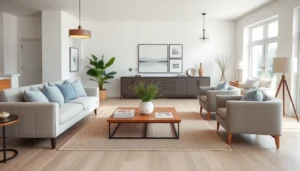
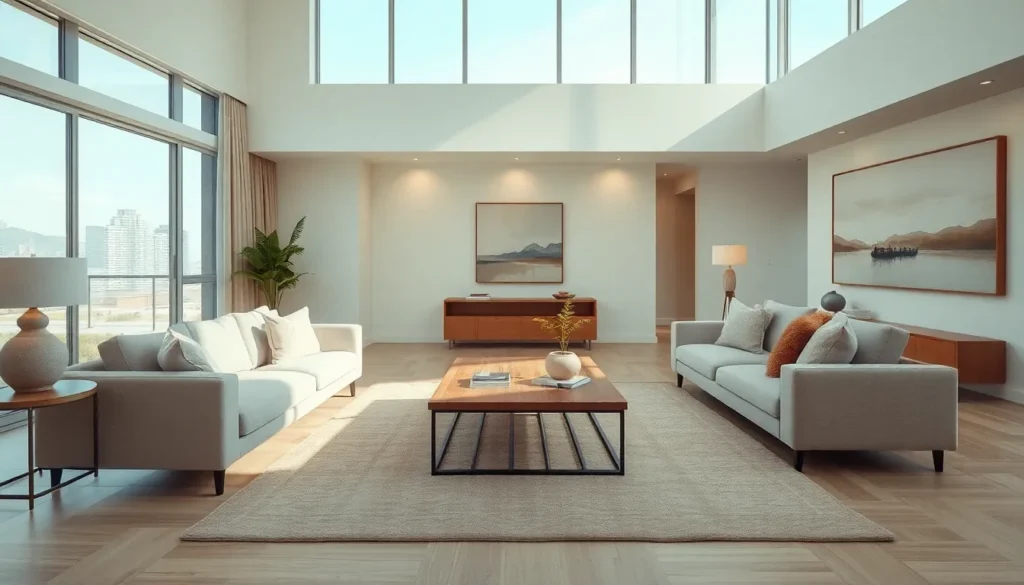
Modern interior design emphasizes clean lines, neutral colors, and minimal ornamentation. It favors open floor plans, large windows, and furniture with sleek silhouettes. Materials include glass, steel, and concrete.
Contemporary interior design reflects current trends and borrows from multiple eras. It differs from modern design by being more fluid, what’s contemporary changes over time. Right now, contemporary spaces often feature curved furniture, earthy tones, and sustainable materials.
Traditional interior design draws from 18th and 19th-century European styles. It features dark wood furniture, ornate details, and rich fabrics like velvet and silk. Symmetry matters in traditional spaces.
Minimalist interior design strips rooms to essentials. It uses neutral palettes, hidden storage, and carefully curated objects. Every item must serve a purpose or bring genuine joy.
Industrial interior design celebrates exposed structural elements, brick walls, ductwork, concrete floors. It originated in converted warehouses and factories. Metal fixtures, leather furniture, and vintage accessories define this style.
Scandinavian interior design prioritizes function, simplicity, and connection to nature. It uses light wood, white walls, and pops of muted color. Hygge, the Danish concept of cozy contentment, influences this approach.
Bohemian interior design breaks rules deliberately. It layers patterns, mixes vintage and global pieces, and embraces bold colors. Personal collections and travel souvenirs play starring roles.
How to Start Your Interior Design Project
Starting an interior design project requires clear planning before any shopping begins.
Step 1: Define the purpose. Ask what activities happen in the space. A living room for entertaining needs different interior design solutions than one for quiet reading. Function drives every subsequent decision.
Step 2: Set a realistic budget. Interior design costs vary wildly. Allocate funds by priority, spend more on items used daily (sofas, mattresses) and less on decorative accessories. Include a 15-20% buffer for unexpected expenses.
Step 3: Gather inspiration. Save images from magazines, websites, and social media. After collecting 50-100 images, patterns emerge. Notice recurring colors, styles, and elements. These preferences guide the interior design direction.
Step 4: Measure everything. Create a floor plan with exact dimensions. Note door swings, outlet locations, and window sizes. This prevents expensive mistakes like ordering furniture that doesn’t fit.
Step 5: Start with large pieces. Interior design success depends on getting anchor pieces right. Choose the sofa, bed, or dining table first. These items set scale and style for everything else.
Step 6: Layer in details. Add lighting, textiles, and accessories last. These finishing touches bring interior design schemes to life. Rugs anchor furniture groupings. Curtains soften windows. Art personalizes walls.
Step 7: Live with it. Good interior design evolves. After living in a space, needs become clearer. Leave room to adjust and add pieces over time.
Common Mistakes to Avoid
Even enthusiastic homeowners make interior design errors that undermine their efforts.
Buying furniture before measuring tops the list. That gorgeous sectional means nothing if it blocks the hallway. Always confirm dimensions before purchasing anything for an interior design project.
Ignoring scale and proportion creates awkward rooms. A tiny coffee table in front of a massive sofa looks wrong. Furniture pieces should relate to each other and to the room’s overall size.
Pushing all furniture against walls wastes space and kills conversation. Interior design works better when furniture floats away from walls, creating defined zones and intimate groupings.
Choosing paint colors first often leads to frustration. Fabrics, rugs, and artwork offer limited color options. Paint comes in thousands of shades. Smart interior design matches paint to fixed elements, not the reverse.
Over-matching everything produces boring, catalog-looking rooms. Interior design thrives on intentional contrast. Mix wood tones. Combine metal finishes. Pair different fabric textures.
Neglecting lighting happens frequently. One overhead fixture rarely provides enough light. Interior design requires layered lighting, ambient for general illumination, task for specific activities, accent for drama.
Following trends blindly dates spaces quickly. Interior design should reflect personal style, not magazine covers. Incorporate trends through accessories that can easily change, not permanent fixtures.
Rushing the process leads to regret. Good interior design takes time. Living with decisions, editing choices, and waiting for the right pieces produces better results than impulse purchases.