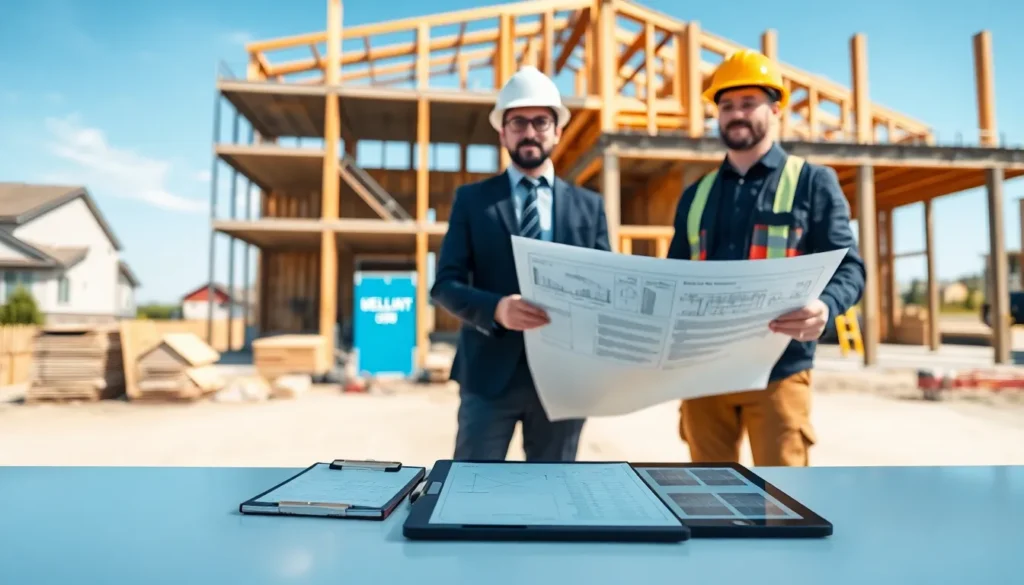

Building and construction tips can make the difference between a smooth project and a costly disaster. Whether someone is building their first home or managing a commercial development, the fundamentals remain the same. Good planning, quality materials, skilled labor, and smart budgeting form the backbone of any successful build.
This guide covers the essential building and construction tips that professionals rely on every day. From initial planning to final inspection, these insights help property owners, contractors, and DIY enthusiasts avoid common mistakes. The construction industry sees billions of dollars wasted annually on preventable errors. A few smart decisions early on can save significant time, money, and stress down the road.
Table of Contents
ToggleKey Takeaways
- Solid planning—including defining scope, securing permits, and creating realistic timelines—forms the foundation of every successful construction project.
- Always add 20% buffer time to construction schedules and set aside 15-20% contingency funds to absorb unexpected delays and costs.
- Vet contractors thoroughly by verifying licenses, insurance, and references, and get at least three detailed bids before hiring.
- Order 10-15% extra materials to prevent project delays from waste, mistakes, or mid-project shortages.
- Prioritize job site safety with mandatory PPE, proper equipment training, and clear emergency procedures to protect workers and reduce liability.
- Track your construction budget weekly and get written quotes for any changes to avoid costly overruns that derail your project.
Planning Your Construction Project
Every successful construction project starts with solid planning. Rushing into a build without proper preparation leads to delays, cost overruns, and frustration. Smart builders treat the planning phase as the foundation of their entire project.
Start by defining the project scope clearly. What exactly needs to be built? What are the must-haves versus nice-to-haves? Write these down. A detailed scope prevents “scope creep”, that sneaky phenomenon where projects gradually expand beyond original intentions and budgets.
Next, research local building codes and permit requirements. Many projects stall because owners didn’t secure proper permits before breaking ground. Contact the local building department early. They’ll outline what permits are needed and what inspections the project must pass.
Create a realistic timeline. Construction projects almost always take longer than expected. Build in buffer time for weather delays, material shortages, and unexpected issues. A good rule: add 20% to initial time estimates.
Building and construction tips from experienced project managers emphasize documentation. Keep records of every decision, contract, and communication. This paper trail protects everyone involved and helps resolve disputes quickly.
Finally, consider hiring a project manager for larger builds. They coordinate between architects, contractors, and suppliers, keeping everything on track while owners focus on their daily lives.
Choosing the Right Materials
Material selection impacts everything: durability, appearance, maintenance costs, and long-term value. The cheapest option rarely delivers the best results. Smart builders balance cost with quality and longevity.
Consider the local climate when selecting materials. In humid regions, moisture-resistant materials prevent mold and rot. In areas with extreme temperature swings, materials that expand and contract gracefully perform better over time.
Research material warranties carefully. A 25-year shingle warranty sounds great, until reading the fine print reveals it covers only manufacturing defects and prorates after year five. Building and construction tips often focus on understanding exactly what warranties cover.
Sustainable materials are worth considering. Recycled steel, reclaimed wood, and energy-efficient insulation may cost more upfront but reduce long-term operating costs. Many also qualify for tax credits or rebates.
Don’t overlook sourcing logistics. Exotic materials might look stunning, but long lead times and shipping costs add up. Local materials often arrive faster and cheaper. They’re also easier to replace if additional quantities are needed mid-project.
Always order 10-15% extra materials. Waste happens. Cuts don’t always work out. Having extra on hand prevents project delays while waiting for new shipments.
Hiring Qualified Contractors
The right contractor makes projects feel easy. The wrong one creates nightmares. Vetting contractors thoroughly protects investments and sanity.
Start with referrals. Ask friends, family, and colleagues about contractors they’ve used. Online reviews help but can be manipulated. Personal recommendations carry more weight.
Verify licenses and insurance. Every legitimate contractor carries liability insurance and workers’ compensation coverage. Ask for certificates and call the insurance company to confirm policies are active. This building and construction tip alone prevents countless legal headaches.
Get at least three detailed bids. Vague estimates signal trouble. Professional bids break down labor, materials, and timelines clearly. If one bid seems dramatically lower than others, ask why. Either they’re cutting corners or misunderstanding the project scope.
Check references, and actually call them. Ask previous clients about communication, timeline adherence, and how the contractor handled problems. Every project encounters issues: the response matters more than the problem itself.
Put everything in writing. A solid contract specifies scope, materials, payment schedule, timeline, and change-order procedures. Never pay more than 10-15% upfront. Payment milestones should align with completed work stages.
Building and construction tips from attorneys: include dispute resolution procedures in contracts. Specify whether disagreements go to mediation, arbitration, or court. This clarity prevents expensive legal battles later.
Safety Practices on the Job Site
Construction sites are dangerous. Falls, struck-by incidents, and electrocutions account for most construction fatalities. Safety protocols protect workers and reduce liability for property owners.
Personal protective equipment (PPE) is non-negotiable. Hard hats, safety glasses, steel-toed boots, and high-visibility vests should be mandatory for everyone entering the site. Enforce these rules consistently.
Maintain clear walkways and work areas. Cluttered sites lead to trips and falls. Establish designated storage areas and require daily cleanup. Building and construction tips from safety experts emphasize that organization prevents accidents.
Secure the site properly. Fencing keeps unauthorized visitors out, especially curious children. Lock up tools and materials after hours. Theft costs the construction industry over $1 billion annually.
Ensure proper equipment training. Only certified operators should use heavy machinery. Even “simple” tools like nail guns cause serious injuries when misused.
Post emergency procedures visibly. Everyone on site should know where first aid kits are located and how to contact emergency services. For larger projects, designate a safety officer responsible for daily site inspections.
Weather monitoring matters too. High winds make crane operations dangerous. Lightning threatens anyone working on roofs or scaffolding. Establish clear protocols for weather-related work stoppages.
Managing Your Budget Effectively
Budget overruns plague construction projects. Industry data suggests typical projects exceed initial budgets by 10-30%. Smart planning and discipline minimize these overruns.
Create a detailed budget before work begins. Include materials, labor, permits, inspections, and insurance. Add line items for design fees, landscaping, and utility connections, costs that often surprise first-time builders.
Establish a contingency fund. Most building and construction tips recommend setting aside 15-20% beyond the estimated total. This cushion absorbs unexpected costs without derailing the project.
Track spending weekly. Waiting until month-end to review expenses allows problems to compound. Regular monitoring catches budget drift early while corrections are still possible.
Understand change order costs. Mid-project changes cost more than original plans. That “small” modification might require permit revisions, material reorders, and schedule adjustments. Get written quotes before approving any changes.
Consider phased construction for tight budgets. Complete the essential structure first: add finishing touches later when funds allow. This approach prevents dangerous financing stretches.
Pay invoices promptly to maintain good contractor relationships. Late payments strain partnerships and may cause contractors to prioritize other projects. But, always verify work completion before releasing payments. Building and construction tips about payment: document everything with photos at each milestone.