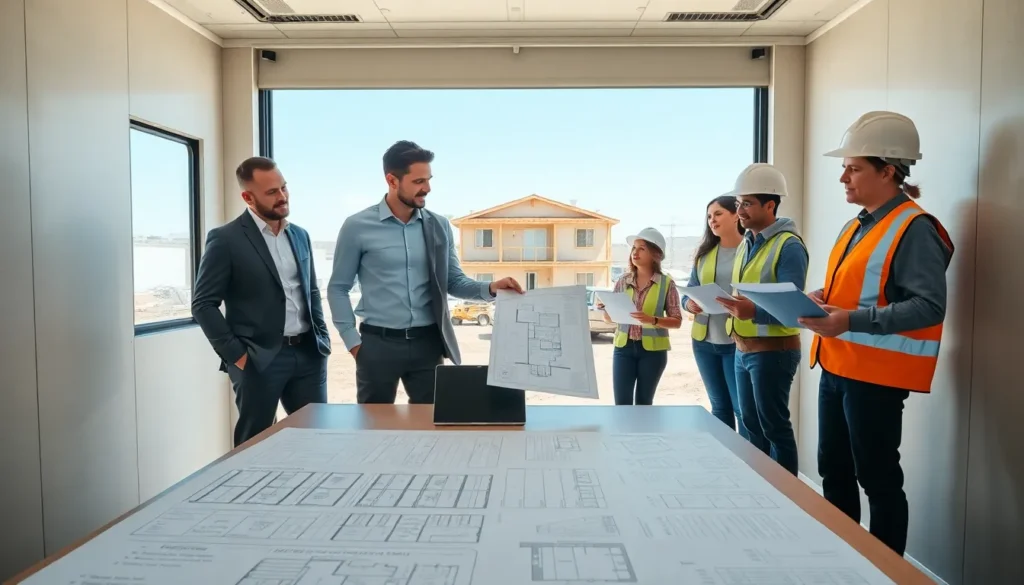

A building and construction guide helps project owners avoid costly mistakes and delays. Whether someone plans a residential home, commercial space, or renovation, the right approach determines success or failure.
Construction projects involve many moving parts. Planning, budgeting, material selection, permits, and timeline management all require careful attention. Missing even one step can lead to budget overruns, legal issues, or structural problems.
This building and construction guide covers the essential steps every project needs. It breaks down the process into manageable phases that apply to projects of any size. Readers will learn how to plan effectively, manage costs, choose the right team, handle regulatory requirements, and keep their project on schedule.
Table of Contents
ToggleKey Takeaways
- A comprehensive building and construction guide helps project owners avoid costly mistakes by breaking down complex projects into manageable phases.
- Always add a 15-20% contingency fund to your construction budget to cover unexpected issues like structural problems or material price fluctuations.
- Define your project scope with specific details—vague descriptions lead to confusion, change orders, and wasted resources.
- Verify contractor licenses through your state’s licensing board and confirm insurance coverage directly with insurance companies before hiring.
- Never skip building permits—unpermitted work can result in teardowns, complicate property sales, and lead to denied insurance claims.
- Monitor construction progress weekly and address schedule slippage immediately to prevent delays from cascading through the entire project.
Understanding the Construction Planning Process
The construction planning process forms the foundation of every successful building project. Before any ground breaks, project owners need a clear vision of what they want to build and why.
A building and construction guide always starts with the planning phase because it affects everything that follows. Poor planning leads to change orders, wasted materials, and frustrated contractors.
Define Your Project Scope
Project scope answers three questions: What are you building? What features does it need? What are your non-negotiable requirements?
Write down specific details. A “spacious kitchen” means different things to different people. “A 200-square-foot kitchen with a center island and double oven” leaves no room for confusion.
Assemble Your Planning Team
Most projects need an architect, structural engineer, and general contractor during planning. Larger commercial projects may require mechanical engineers, interior designers, and landscape architects.
Hire professionals with experience in your project type. A contractor who builds strip malls may not understand single-family home construction, and vice versa.
Create Preliminary Designs
Architects turn project requirements into visual plans. They create floor plans, elevations, and 3D renderings that show what the finished building will look like.
Review these designs carefully. Changes cost little at the design stage but become expensive once construction starts. The construction planning process should include multiple design reviews before finalizing plans.
Budgeting and Financing Your Project
Construction budgets fail for one main reason: people underestimate costs. A realistic budget accounts for materials, labor, permits, inspections, and unexpected problems.
This building and construction guide recommends adding a 15-20% contingency fund to any project budget. Construction surprises happen. Old buildings hide structural issues. Weather delays add labor costs. Material prices fluctuate.
Calculate Your Total Project Cost
Total project cost includes more than construction expenses. Factor in:
- Land acquisition or preparation
- Architectural and engineering fees
- Permit and inspection fees
- Utility connections
- Landscaping
- Interior finishes and fixtures
- Moving and temporary housing costs
Get detailed estimates from contractors. A line item for “electrical work” doesn’t provide enough information. Ask for breakdowns by room, system, or phase.
Explore Financing Options
Construction loans work differently than standard mortgages. They release funds in stages as the project progresses. Lenders inspect work before releasing each payment.
Interest rates on construction loans typically run higher than mortgage rates. Many borrowers convert construction loans to permanent mortgages after the project finishes.
Home equity lines of credit offer another option for homeowners with existing property. These loans use current home value as collateral for renovation or addition projects.
Track Spending Throughout Construction
Set up a system to monitor expenses from day one. Compare actual costs against budgeted amounts weekly. Address overruns immediately rather than hoping they’ll balance out later, they rarely do.
Selecting Materials and Contractors
Material and contractor selection affects project quality, cost, and timeline. This building and construction guide emphasizes getting these choices right because they’re difficult to change mid-project.
Choose Materials Based on Performance and Budget
Construction materials range from economy to premium grades. Higher prices don’t always mean better performance for your specific needs.
Consider long-term costs alongside purchase prices. Cheap windows save money upfront but increase energy bills for decades. Quality roofing materials cost more but last 30 years instead of 15.
Research material availability before specifying unusual items. Custom orders delay projects. Some imported materials take months to arrive.
Find Qualified Contractors
Good contractors share common traits: they’re licensed, insured, and have verifiable references. They provide detailed written estimates and clear contracts. They communicate well and show up when they say they will.
Get at least three bids for any project. The lowest bid isn’t always the best choice. Extremely low bids often signal inexperience, poor quality, or hidden costs that appear later.
Check contractor licenses through your state’s licensing board. Verify insurance coverage directly with insurance companies, don’t just accept certificates.
Interview and Evaluate Candidates
Ask potential contractors about their experience with similar projects. Request addresses of completed work you can drive by. Contact references and ask specific questions about communication, problem-solving, and final quality.
A building and construction guide can’t replace personal evaluation. Trust your instincts. If a contractor seems disorganized during the bidding process, they’ll likely be disorganized during construction.
Navigating Permits and Regulations
Building permits protect property owners and communities. They ensure structures meet safety codes and zoning requirements. Skipping permits creates legal and financial problems.
This building and construction guide stresses permit compliance because violations carry serious consequences. Unpermitted work may need to be torn out. It complicates property sales. Insurance claims can be denied.
Understand What Requires Permits
Most jurisdictions require permits for:
- New construction
- Additions and major renovations
- Electrical, plumbing, and HVAC work
- Structural changes
- Roofing replacement
- Deck and fence construction
Minor repairs and cosmetic updates usually don’t need permits. When in doubt, call your local building department. They answer these questions daily.
Submit Complete Applications
Permit applications require detailed construction plans. Include site plans, floor plans, structural details, and mechanical systems. Incomplete applications delay approval.
Application fees vary by project size and location. Expect to pay several hundred to several thousand dollars depending on project scope.
Schedule Required Inspections
Building departments inspect work at key stages: foundation, framing, electrical rough-in, plumbing rough-in, insulation, and final completion. Each inspection must pass before work continues.
Failed inspections aren’t disasters. They identify problems before they’re hidden behind walls. Fix issues promptly and reschedule inspections.
Managing the Construction Timeline
Construction timelines slip for predictable reasons: weather, material delays, labor shortages, and change orders. Smart project management anticipates these issues.
A building and construction guide emphasizes realistic scheduling because delays cost money. Extended timelines mean longer loan periods, additional rental costs, and frustrated stakeholders.
Create a Detailed Schedule
Break the project into phases with specific start and end dates. Identify dependencies, work that can’t start until other tasks finish. Foundation must cure before framing begins. Drywall follows electrical and plumbing rough-in.
Build buffer time between phases. A one-day delay shouldn’t cascade through the entire project.
Monitor Progress Weekly
Hold regular progress meetings with your contractor. Walk the site together. Compare actual completion against planned milestones.
Address schedule slippage immediately. Ask what caused the delay and how the contractor plans to recover lost time. Document these conversations.
Handle Changes Carefully
Change orders add scope, cost, and time to projects. Some changes are necessary, hidden problems or code requirements you couldn’t anticipate. Others result from changed preferences.
Every change order should include a written description, cost adjustment, and timeline impact. Approve changes before work begins, not after.