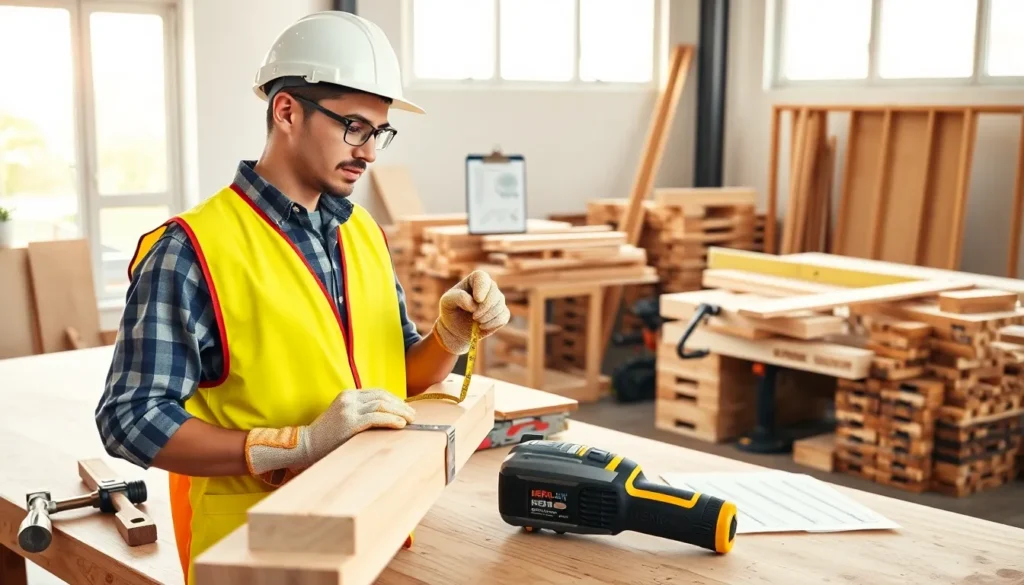

Building and construction for beginners can seem overwhelming at first. There are tools to learn, skills to develop, and mistakes waiting to happen. But here’s the good news: everyone starts somewhere. The most skilled contractors once held a hammer for the first time, too.
This guide breaks down the essentials of building and construction into clear, actionable steps. Readers will learn the basic concepts, discover which tools matter most, and understand which skills deserve attention first. They’ll also find out about common pitfalls, and how to sidestep them before wasting time or money.
Whether someone wants to tackle home improvement projects or explore construction as a career path, this article provides a solid foundation. Let’s get started.
Table of Contents
ToggleKey Takeaways
- Building and construction for beginners starts with understanding the basic sequence: planning, permits, foundation, framing, and finishing work.
- Invest in quality hand tools first—a claw hammer, tape measure, speed square, and utility knife cover most beginner projects.
- A cordless drill and circular saw are essential power tools that serve as the workhorses for building and construction tasks.
- Master measuring and marking skills early—”measure twice, cut once” prevents wasted materials and costly mistakes.
- Always prioritize safety by wearing glasses, gloves, and hearing protection, as construction sites present real hazards.
- Avoid common beginner mistakes by planning thoroughly, investing in quality materials, and asking experienced builders for guidance.
Understanding the Basics of Building and Construction
Building and construction involves creating structures from raw materials. This process includes planning, designing, and assembling everything from residential homes to commercial buildings. For beginners, grasping these fundamentals sets the stage for all future learning.
Key Concepts to Know
Every construction project follows a basic sequence. First comes planning and permits. Local governments require approval before most building work can begin. Next, builders create a foundation, the base that supports the entire structure. Framing follows, which creates the skeleton of walls, floors, and roofs. Finally, finishing work adds the details: electrical systems, plumbing, drywall, and paint.
Building and construction also requires understanding materials. Wood remains popular for residential projects because it’s affordable and easy to work with. Concrete provides strength for foundations and commercial structures. Steel offers durability for larger buildings. Each material has specific properties that affect how builders use it.
Why Basics Matter
Skipping foundational knowledge leads to problems later. A beginner who doesn’t understand load-bearing walls might accidentally compromise a structure’s integrity. Someone unfamiliar with local codes could face fines or forced demolition.
Building and construction rewards patience. Taking time to learn how structures work, why certain joints need reinforcement, how moisture affects different materials, what makes a foundation stable, pays off on every project.
Essential Tools Every Beginner Needs
Starting in building and construction doesn’t require a massive tool collection. Smart beginners focus on versatile, quality basics before expanding their toolkit.
Hand Tools
A claw hammer handles most nail-driving and removal tasks. A tape measure (25 feet minimum) provides accurate measurements for cuts and layouts. A speed square helps mark angles and check corners for squareness. Screwdrivers in both Phillips and flathead varieties cover most fastener needs. A utility knife cuts everything from drywall to packaging.
Levels ensure surfaces are truly horizontal or vertical. A 24-inch level works well for most beginner projects. Pliers and an adjustable wrench round out the hand tool essentials.
Power Tools
A cordless drill serves as the workhorse of building and construction. It drives screws, drills holes, and accepts various attachments. Look for an 18-volt or 20-volt model with a lithium-ion battery.
A circular saw cuts lumber quickly and accurately. Beginners should practice on scrap wood before starting actual projects. Safety glasses and hearing protection are non-negotiable when using power tools.
Quality vs. Price
Cheap tools often fail at critical moments. That said, beginners don’t need professional-grade equipment immediately. Mid-range tools from reputable brands offer good value. As skills develop in building and construction, upgrading specific tools makes sense based on actual usage patterns.
Fundamental Construction Skills to Learn First
Building and construction demands a mix of physical abilities and mental skills. Beginners benefit most from mastering these core competencies early.
Measuring and Marking
“Measure twice, cut once” exists as a saying for good reason. Accurate measurement prevents wasted materials and frustrating do-overs. Learn to read a tape measure down to 1/16 of an inch. Practice marking cut lines with a pencil and square.
Building and construction professionals use consistent measurement habits. They always measure from the same reference point. They double-check critical dimensions. Beginners who develop this discipline avoid costly errors.
Cutting Straight Lines
Whether using a hand saw or power saw, cutting straight takes practice. Beginners should clamp workpieces securely and let the tool do the work. Forcing a cut creates wandering lines and dangerous kickback.
Start with simple cuts on inexpensive lumber. Progress to more precise work as confidence grows. Building and construction projects often require compound angles and intricate cuts, these come later.
Fastening Techniques
Nails, screws, and bolts each serve different purposes. Nails work well for framing because they flex slightly under stress. Screws provide stronger holding power for finish work and cabinetry. Bolts secure heavy-duty connections.
Learning proper technique matters. Driving a screw too deep strips the hole. Bending nails weakens the connection. Building and construction skills improve with repetition, so practice on scrap materials first.
Common Beginner Mistakes and How to Avoid Them
Every beginner in building and construction makes mistakes. The smart approach involves learning from others’ errors rather than repeating them.
Skipping the Planning Phase
Eagerness to start building often overrides good judgment. Without proper planning, projects run over budget, take longer than expected, and produce disappointing results. Before picking up any tool, draw out the project. List all materials needed. Research techniques involved.
Building and construction projects succeed when planning happens first. Even simple repairs benefit from a few minutes of forethought.
Ignoring Safety Protocols
New builders sometimes view safety equipment as optional. This attitude leads to injuries. Safety glasses protect eyes from flying debris. Gloves prevent cuts and splinters. Hearing protection preserves long-term hearing health around loud tools.
Building and construction sites present real hazards. Respecting these dangers keeps beginners healthy and able to continue learning.
Buying Cheap Materials
Low-quality lumber warps and splits. Bargain fasteners strip or break. Discount paint requires extra coats. The initial savings disappear when materials fail or require replacement.
Invest in decent materials from the start. Building and construction work lasts longer when quality components go into the project.
Not Asking for Help
Beginners sometimes feel embarrassed to ask questions. This pride wastes time and causes preventable mistakes. Experienced builders generally enjoy sharing knowledge. YouTube tutorials cover nearly every building and construction topic imaginable. Local hardware stores often offer free workshops.
Learning from others accelerates skill development dramatically.