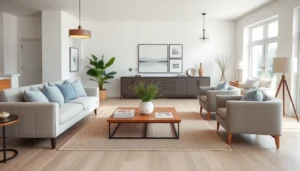
Architecture trends 2026 reflect a fundamental shift in how designers approach buildings. The focus has moved beyond aesthetics to prioritize sustainability, human health, and technological integration. Architects and developers now treat structures as living systems that must respond to climate change, urbanization, and shifting work patterns.
This year marks a turning point. Buildings are no longer static containers. They generate energy, adapt to occupant needs, and connect people with nature. The architecture trends 2026 showcase designs that balance innovation with practicality. From regenerative materials to AI-powered climate control, these developments will define construction for decades to come.
Table of Contents
ToggleKey Takeaways
- Architecture trends 2026 prioritize regenerative design, with buildings now actively restoring ecosystems through carbon capture, net-positive energy, and living systems like green facades and algae panels.
- Biophilic architecture has become essential, as research shows nature-integrated spaces improve occupant health, reduce stress, and boost productivity through living walls, natural light optimization, and organic forms.
- Adaptive reuse is surging, with office-to-residential conversions and historic building renovations generating 50-75% fewer carbon emissions than new construction.
- Smart buildings powered by AI and digital twins now optimize performance in real time, learning from occupants to automatically adjust climate, lighting, and maintenance schedules.
- Wellness-centered design driven by WELL and Fitwel certifications addresses air quality, circadian lighting, acoustics, and movement to support physical, mental, and social well-being.
- Modular and prefabricated construction has gone mainstream, cutting build times by 30-50% while reducing material waste and improving quality control.
Sustainable and Regenerative Design
Sustainable design has evolved. Architecture trends 2026 push beyond “doing less harm” toward regenerative practices that actively restore ecosystems. Buildings now capture carbon, produce more energy than they consume, and filter air and water for surrounding communities.
Mass timber construction continues its rapid growth. Cross-laminated timber (CLT) structures now reach heights previously reserved for steel and concrete. These buildings store carbon throughout their lifespan while reducing construction emissions by up to 75% compared to traditional methods.
Regenerative architecture incorporates living systems directly into building envelopes. Green facades and rooftop farms produce food while insulating structures. Mycelium-based insulation, grown from mushroom roots, offers a biodegradable alternative to petroleum-based foams. Some projects use algae panels that generate biofuel while absorbing CO2.
Net-positive energy buildings have become the new standard for commercial construction. Advances in building-integrated photovoltaics allow entire facades to generate electricity. Combined with improved battery storage, these structures feed surplus power back to the grid during peak demand periods.
Architects also prioritize circular design principles. They select materials for eventual disassembly and reuse. This approach treats buildings as material banks rather than future demolition waste.
Biophilic Architecture and Nature Integration
Biophilic design has moved from luxury amenity to essential feature. Architecture trends 2026 show that buildings with strong nature connections improve occupant health, productivity, and satisfaction. Research consistently demonstrates reduced stress levels and faster healing times in biophilic spaces.
Living walls and interior gardens now appear in offices, hospitals, and residential towers. These installations do more than look attractive, they filter indoor air, regulate humidity, and dampen noise. Large-scale projects incorporate full indoor forests with mature trees and walking paths.
Natural light optimization has become a primary design driver. Advanced glazing systems maximize daylight penetration while minimizing heat gain. Architects position buildings to capture morning sun in workspaces and evening light in residential areas. Light wells and reflective surfaces bring illumination deep into floor plates.
Organic forms increasingly replace rigid geometries. Curved walls, irregular floor plans, and flowing transitions between spaces mimic patterns found in nature. These designs reduce the “sick building syndrome” associated with conventional box-like structures.
Water features appear throughout contemporary projects. Indoor streams, fountains, and rain gardens create calming soundscapes while managing stormwater runoff. Some buildings collect and display rainwater as it flows through the structure, making environmental systems visible and engaging.
Adaptive Reuse and Modular Construction
Adaptive reuse represents one of the most significant architecture trends 2026 has produced. Converting existing buildings creates 50-75% fewer carbon emissions than new construction. Cities worldwide now prioritize renovation over demolition.
Office-to-residential conversions have accelerated. Remote work has left commercial districts with surplus space. Architects transform these structures into housing, addressing urban housing shortages while preserving embodied carbon in existing materials. Successful conversions add windows, reorganize floor plates, and create community amenities.
Historic industrial buildings receive new life as mixed-use developments. Former factories become creative offices, restaurants, and apartments. These projects celebrate original architectural features, exposed brick, steel trusses, and large windows, while adding modern systems and finishes.
Modular construction has matured into a mainstream building method. Factory-built components arrive at sites ready for rapid assembly. This approach cuts construction time by 30-50% and reduces material waste significantly. Quality control improves because work happens in controlled factory conditions.
Prefabricated bathroom and kitchen pods now standard in multifamily projects. These fully finished modules include plumbing, electrical, and fixtures. Workers install them in hours rather than weeks. The architecture trends 2026 show modular methods expanding to larger structural components and complete building systems.
Smart Buildings and Technology-Driven Spaces
Smart building technology has reached practical maturity. Architecture trends 2026 feature integrated systems that learn from occupants and optimize performance automatically. These buildings respond to conditions in real time rather than following fixed schedules.
AI-powered building management systems analyze thousands of data points simultaneously. They adjust heating, cooling, and ventilation based on occupancy patterns, weather forecasts, and energy prices. Machine learning algorithms improve efficiency continuously as they gather more operational data.
Digital twins, virtual replicas of physical buildings, enable predictive maintenance and scenario planning. Facility managers test changes in the digital environment before implementing them. These models identify potential problems before equipment fails, reducing downtime and repair costs.
Occupant experience platforms give users personal control over their environments. Smartphone apps allow workers to adjust temperature, lighting, and privacy settings at their desks. The system learns individual preferences and prepares spaces before people arrive.
Advanced sensors monitor air quality, noise levels, and space utilization. This data informs design decisions and operational adjustments. Buildings can now demonstrate their performance through real-time dashboards, satisfying growing demand for transparency from tenants and investors.
Robotic construction and 3D printing continue to expand. Large-scale concrete printers produce structural components on site. Drones survey sites and monitor construction progress. These technologies address labor shortages while improving precision.
Wellness-Centered and Human-Centric Design
Wellness has become a primary driver of architectural decisions. Architecture trends 2026 place human health and comfort at the center of every project. Buildings must now support physical, mental, and social well-being.
Certification programs like WELL and Fitwel have influenced design standards across the industry. These frameworks address air quality, water purity, lighting, acoustics, thermal comfort, and movement. More clients now require wellness certifications alongside traditional sustainability ratings.
Acoustic design receives increased attention. Open offices failed partly because they ignored sound management. New designs incorporate sound-absorbing materials, white noise systems, and varied space types. Quiet zones, phone booths, and collaboration areas each serve distinct acoustic needs.
Circadian lighting systems adjust color temperature throughout the day. Morning light emphasizes blue wavelengths that promote alertness. Evening light shifts warmer to support natural sleep cycles. This approach has shown measurable benefits for office workers and hospital patients.
Movement-encouraging design promotes physical activity. Prominent staircases invite walking between floors. Layouts position amenities to increase daily steps. Standing desks and active furniture have become standard rather than special requests.
Social connection shapes space planning. Designs create opportunities for both planned meetings and spontaneous interactions. Varied seating arrangements, shared kitchens, and outdoor gathering spaces build community. Architecture trends 2026 recognize that isolation harms health as much as poor air quality.